
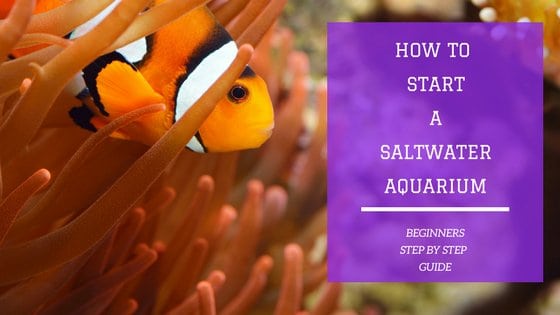
Starting a saltwater aquarium requires 9 stages over 6-8 weeks: choosing a tank and location, preparing the water and substrate, cycling the nitrogen cycle for 4-6 weeks, and carefully acclimating your first fish. The process rewards patience — rushing any stage risks harming the living organisms that will call this ecosystem home, many of which have lifespans in the double-digits.
Before You Begin
Setting up a saltwater aquarium requires patience. You cannot rush the process — from tank setup to adding your first fish, expect the entire process to take 6-8 weeks. This guide walks you through every stage to ensure your fish thrive from day one.
A saltwater aquarium setup involves choosing the right equipment, following a specific sequence of preparation steps, and learning how to spot problems before they affect your fish. Saltwater aquariums share many similarities with freshwater setups, but the margin for error is smaller — making each step in this guide essential for long-term success.
Saltwater vs. Freshwater Aquariums
Saltwater aquariums are not inherently harder to maintain than freshwater aquariums. The key difference is that saltwater fish are less tolerant of environmental changes. Coral reef habitats in the ocean remain remarkably stable year-round — sodium levels, pH levels, and temperature fluctuate very little. Saltwater fish have evolved to depend on that stability, and they carry those sensitivities into your home aquarium.
Freshwater fish, by contrast, inhabit rivers and lakes that experience significant seasonal variation in water chemistry and temperature. Freshwater species have evolved to tolerate these fluctuations, making freshwater aquariums more forgiving of minor lapses in maintenance.
Important Distinction
Laziness around tank maintenance is not ideal for freshwater fish, but it can be deadly for saltwater species. Consistent care is essential.
Saltwater aquarium keeping requires better time management and consistent attention to water parameters — not more skill. The rule of thumb when starting a saltwater aquarium is to never rush the process. Each stage of tank setup must be completed properly before moving to the next, and the fish added to the saltwater aquarium must be suited to the environment you have created.
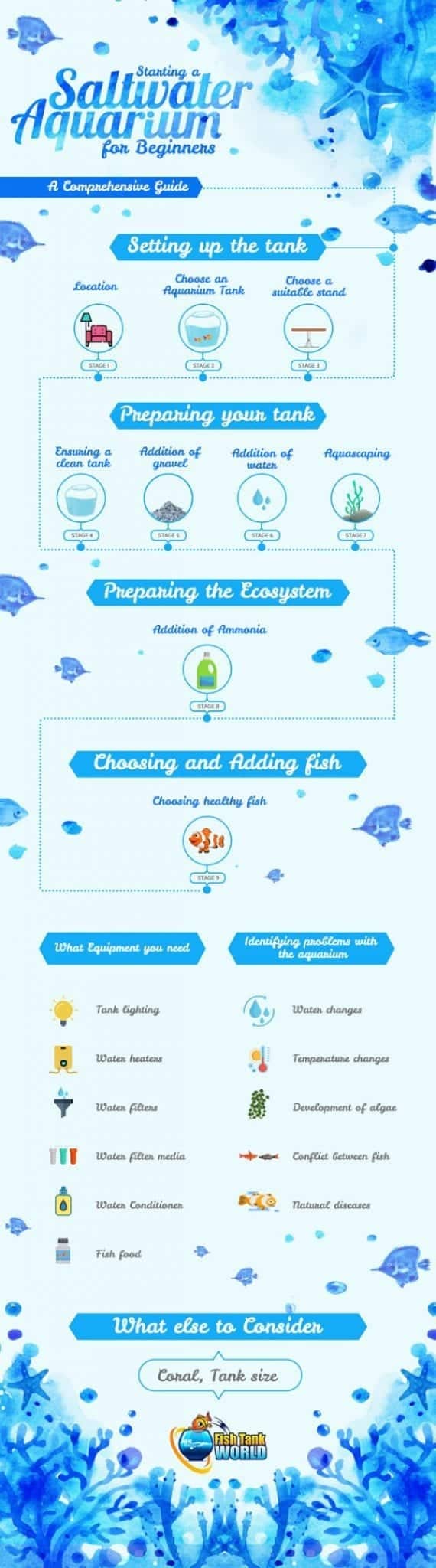
Complete visual guide to setting up your first saltwater aquarium
Setting Up the Tank
Stage 1: Choose Your Tank Location

Select a location away from direct sunlight and drafts
Saltwater aquarium placement should be decided before making any equipment purchases. A filled saltwater aquarium is extremely heavy and cannot be moved, so the location must be chosen carefully upfront. The space also needs to accommodate the stand, filter system, and power connections.
Location Requirements
- Avoid direct sunlight - promotes algae growth and makes temperature difficult to manage
- Avoid drafty areas - impacts your ability to regulate water temperature
- Ensure floor or surface can support the weight of a full tank
- Confirm access to electrical outlets for filters, heaters, and lighting
Stage 2: Select an Aquarium Tank
Saltwater aquarium tank size depends on the species of fish you plan to keep, the quantity, and the space available at your chosen location. A 30-gallon tank is the minimum recommended size for beginners.
It is worth noting that common mistakes made by beginners can quickly run out of control in small aquariums, so it may be better to start with a larger tank while learning the ropes.
There are many useful saltwater starter kits available on the market, which typically include all of the equipment a budding aquarist needs to get a first-time setup running, so it is worth shopping around. Though these kits limit choice around individual components, they often work out cheaper.
Stage 3: Select a Suitable Stand
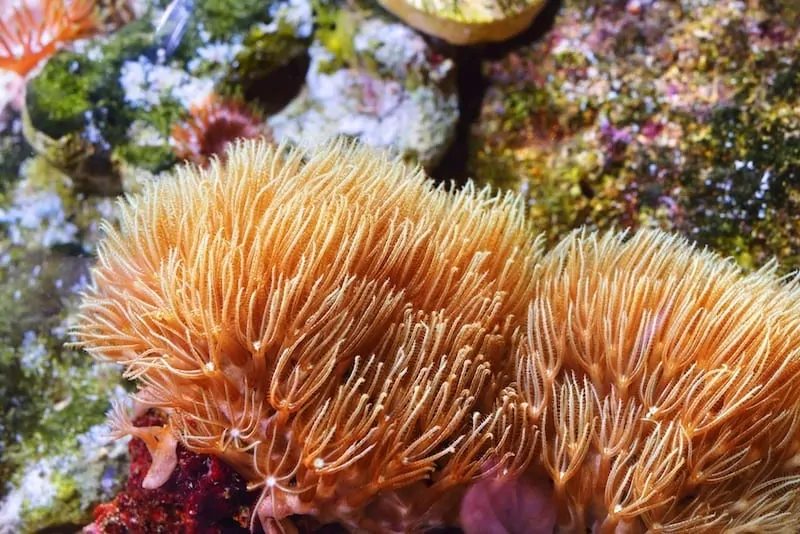
A sturdy stand must support the full weight of water, rock, and equipment
An aquarium stand must support the combined weight of the tank, water, rock, coral, and all equipment. A filled 30-gallon saltwater aquarium weighs approximately 300 pounds, so a stand with a solid base is essential — shelves mounted on brackets are not secure enough for this load.
The stand should also provide storage space for the filter system underneath and easy access to electrical outlets for filters, lighting, and heaters. A purpose-built aquarium stand is the safest option for supporting this weight long-term.
Preparing Your Tank
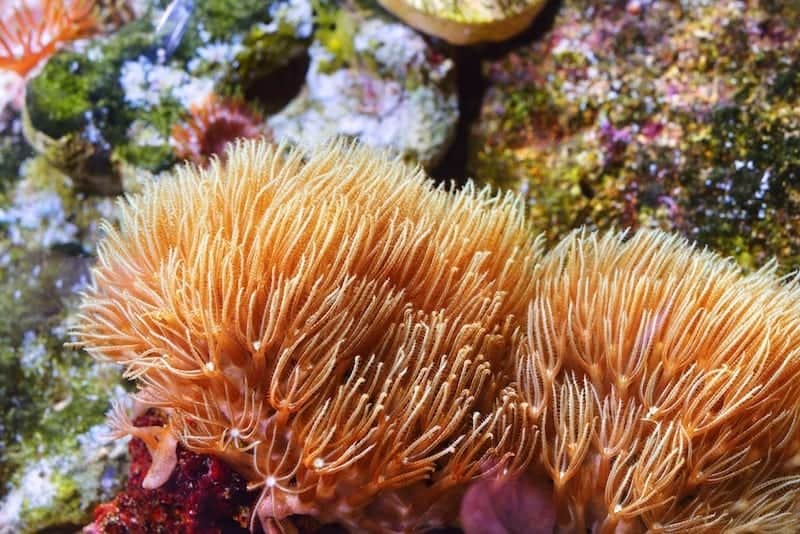
Proper tank preparation is essential before adding water
Stage 4: Clean the Tank
A new aquarium tank may have accumulated dust, dirt, or bacteria during storage and shipping. Rinse the interior of the saltwater aquarium tank thoroughly with a new, clean cloth and plain fresh water before use.
Never Use Chemicals
No soap or chemical cleaners should be used, as residue could remain on the glass when it is being filled and potentially harm your fish.
Stage 5: Add Substrate and Gravel
Saltwater aquariums typically require 1-2 inches of gravel or aragonite substrate at the base of the tank. Rinse all substrate under clean running water before adding it to the aquarium — unwashed gravel carries dust and debris that will cloud your water and can affect water chemistry.
Large decorative structures should be placed at this stage, with their bases secured within the substrate layer before adding water.
Stage 6: Add Saltwater
Saltwater for aquariums can be mixed at home using marine salt mix or purchased pre-mixed from aquarium stores and online retailers. Marine salt mix contains the precise balance of minerals and trace elements that saltwater fish require — standard table salt should never be used, as it lacks these essential compounds.
Water Guidelines
- Use marine salt mix designed for aquariums, not table salt
- Pre-mixed solutions are available but more expensive
- If using tap water, let it sit 1-3 days to allow chemicals to disperse
- Do not overfill - leave room for decorations and equipment
Stage 7: Aquascape Your Tank
Aquascaping is the arrangement of decorative and functional elements inside your saltwater aquarium. Once the water has settled, place rocks, coral structures, and other decorations to create a visually appealing environment with hiding spots for fish.
Live rock is a popular aquascaping choice for saltwater aquariums because it acts as a natural biological filter. Live rock is porous rock colonized by beneficial bacteria that help process waste in the water. The process of setting up an aquarium with live rock requires curing — a treatment to remove toxins before the rock enters the tank. Pre-cured live rock is also available for immediate use.
A saltwater aquarium using live rock is called a FOWLR setup (Fish Only With Live Rock). FOWLR environments have specific requirements for live rock selection and placement that differ from standard aquascaping.
Cycling the Saltwater Aquarium
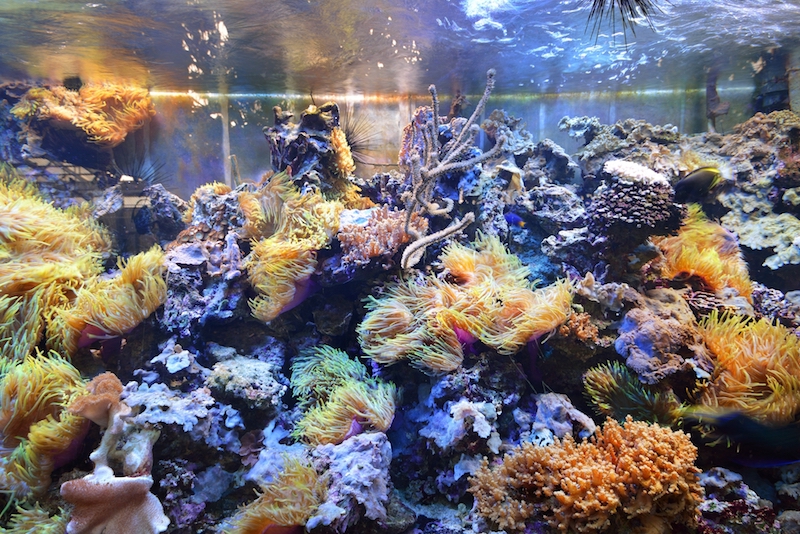
The nitrogen cycle takes 4-6 weeks to establish
Stage 8: Cycle the Nitrogen Cycle
The nitrogen cycle is the longest and most critical stage of setting up a saltwater aquarium, requiring 4-6 weeks of patience. During this period, beneficial bacteria colonies establish themselves inside the tank to convert toxic ammonia into nitrites, and then nitrites into less harmful nitrates. This biological filtration system is essential for keeping saltwater fish alive.
The nitrogen cycle can be started by adding a specialized ammonia solution to the tank. Some aquarists use hardy fish to produce ammonia naturally, but this method exposes those fish to dangerously high ammonia and nitrite levels during the initial weeks — a practice many aquarists consider inhumane.
Monitor Water Parameters
Test ammonia, nitrite, and nitrate levels every 2-3 days during cycling. The cycle is complete when ammonia and nitrite levels drop to 0 ppm and nitrates are present. Only then is the saltwater aquarium ready for fish.
Choosing and Adding Fish
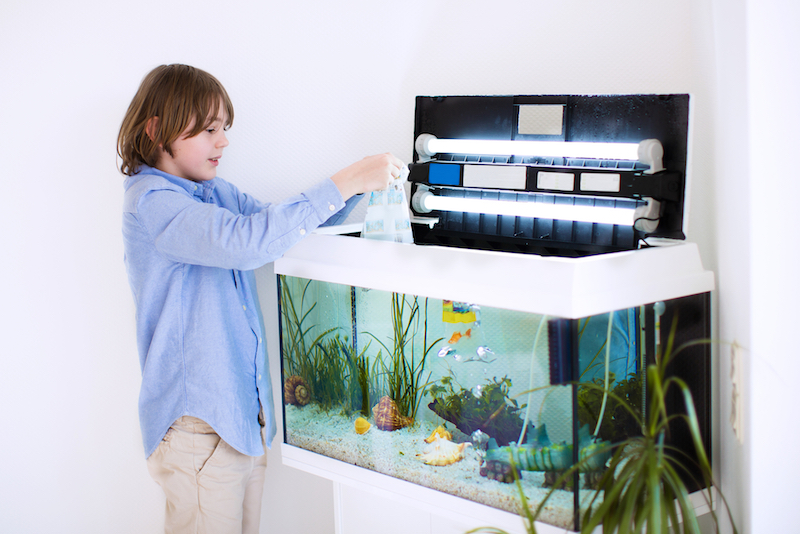
Only purchase fish from reputable sources
Stage 9: Choose and Acclimate Your Fish
Healthy saltwater fish should only be purchased from reputable stores and sources. Unhealthy fish can introduce disease to the aquarium and compromise water quality for all other inhabitants. If you are unsure which species to start with, consider some of the best small saltwater fish for beginners that are hardy and well-suited to newly cycled setups.
Acclimation Process
Acclimate saltwater fish to their new tank by gradually adding small amounts of aquarium water into the bag over 20-30 minutes. This allows the fish to adjust to temperature and water chemistry differences. Never pour the bag water directly into the saltwater aquarium — it may contain ammonia, pathogens, or medications from the store.
Essential Saltwater Aquarium Equipment
Every saltwater aquarium requires several key pieces of equipment to maintain stable water conditions and keep fish healthy:
Required Equipment
- Tank lighting - essential for fish health and viewing
- Water heaters - maintains stable temperature
- Water filters - removes waste and maintains water quality
- Water filter media - biological filtration support
- Water conditioner - removes chlorine and chloramine
- Fish food - species-appropriate marine diet
Reef aquariums require additional equipment: a calcium reactor to maintain calcium levels for coral growth, and specialized LED lighting for corals that provides the correct light spectrum.
Saltwater aquarium equipment can be purchased individually or as part of a complete starter kit. Starter kits typically cost less than buying components separately, though they offer less flexibility in choosing individual brands and specifications.
Common Saltwater Aquarium Problems
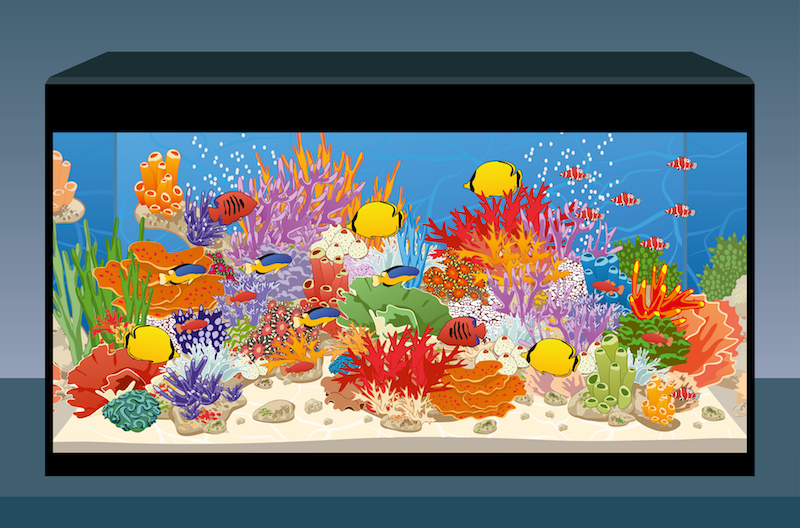
Regular monitoring helps catch problems early
Saltwater aquariums are susceptible to five common problems that new aquarists should learn to recognize early. Saltwater fish are less tolerant of environmental changes than freshwater species, so identifying and addressing these issues quickly is critical to preventing fish loss.
Cloudy or Discolored Water
Saltwater aquarium water can turn cloudy or yellow when fish waste, uneaten food, and other organic matter accumulate faster than the filtration system can process them. A properly maintained filter prevents this problem entirely — regular filter cartridge cleaning and replacement keeps the water clear.
Cloudy water in a saltwater aquarium usually signals that the filter needs cleaning or the cartridge needs replacing. A partial water change (10-20% of tank volume) provides an immediate improvement while the filter catches up.
Temperature Fluctuations
Aquarium heaters maintain stable water temperature in a saltwater aquarium by holding a preset level, typically between 75-80°F (24-27°C) for most tropical marine species. The optimal temperature varies by species, so research the specific requirements of your fish before setting the heater.
Temperature fluctuations in a saltwater aquarium are most commonly caused by direct sunlight hitting the tank or drafts from nearby windows and doors — both factors addressed during the location selection in Stage 1.
Algae Growth
Algae growth in a saltwater aquarium is fueled by excess nutrients in the water — primarily phosphates and nitrates from fish waste and uneaten food. Keeping the water clean through regular maintenance is the most effective prevention.
Algae Dangers
Uncontrolled algae blooms in a saltwater aquarium can lead to stunted fish growth or death through oxygen depletion and water stratification.
Algae blooms harm saltwater fish through two mechanisms. Oxygen depletion occurs when algae consume dissolved oxygen during certain phases of their life cycle, starving fish of breathable oxygen. Water stratification separates the aquarium water into layers — oxygen-rich water sits at the surface while denser, toxin-rich water settles at the bottom, creating dangerous conditions for bottom-dwelling fish.
Fish Aggression and Compatibility
Saltwater fish species have specific compatibility requirements — some species coexist peacefully while others will fight, stress, or kill incompatible tankmates. Research species compatibility before adding any new fish to a saltwater aquarium.
Aggression in saltwater aquariums can be reduced by avoiding overcrowding and providing ample hiding spots with cavernous rock, coral structures, and artificial habitats. Territorial species in particular need defined spaces within the tank to reduce stress and conflict.
Marine Diseases
Marine diseases spread rapidly in saltwater aquariums because the enclosed environment allows pathogens to reach every fish in the tank. Prevention is far more effective than treatment — once a disease enters a saltwater aquarium, eradication can be extremely difficult.
Disease Prevention
Marine diseases like marine ich (Cryptocaryon irritans) and marine velvet (Amyloodinium ocellatum) are highly infectious in saltwater aquariums. Buying fish only from reputable sources and maintaining clean water conditions are the most effective prevention strategies.
Additional Considerations for Saltwater Aquariums
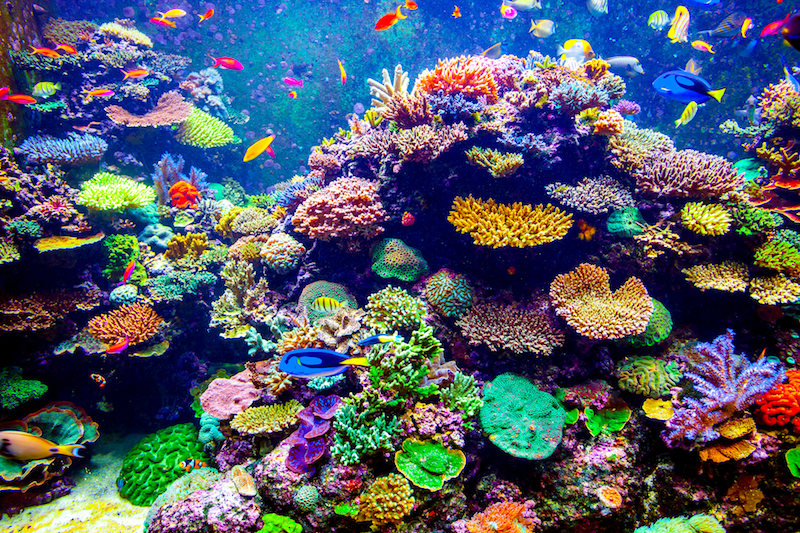
Coral requires specific care as a living organism
Adding Coral to a Saltwater Aquarium
Coral is a living organism unique to saltwater aquariums — any coral in a freshwater tank is artificial. Live coral requires specific water quality, water flow rate, lighting spectrum, temperature, and pH levels to survive and grow.
Coral Is Alive
Coral is not a decoration that can simply be placed in a tank as a centerpiece. Coral is a living organism with specific care requirements for water quality, water flow, lighting, and temperature.
Saltwater aquarium coral falls into three main categories, each with different difficulty levels:
Types of Coral
- Soft Coral - generally easier to care for, good for beginners
- Large Polyp Stony Coral (LPS) - moderate difficulty, requires stable water parameters
- Small Polyp Stony Coral (SPS) - most demanding, requires pristine water conditions and intense lighting
Why Larger Tanks Are Easier for Beginners
Beginners often assume a smaller saltwater aquarium is easier to manage, but larger tanks (30+ gallons) are actually more forgiving. A larger volume of water dilutes toxins more effectively and changes temperature more slowly, giving the aquarist more time to identify and correct problems before they harm fish.
Small saltwater aquariums (under 20 gallons) amplify every mistake — a small spike in ammonia or a slight temperature swing can become lethal within hours in a nano tank.
Equipment Quality Affects Maintenance
Cheaper saltwater aquarium equipment often creates hidden long-term costs through increased maintenance frequency and secondary problems. Low-quality aquarium lighting, for example, consumes more power, produces more heat, and can gradually raise water temperature while running — a serious concern for temperature-sensitive saltwater fish.
Low-quality aquarium filters may provide weaker filtration and require cartridge replacements twice as often as premium models. Investing in higher-quality equipment upfront typically reduces the time and money spent on maintenance over the lifetime of a saltwater aquarium.
Conclusion
Starting a saltwater aquarium follows a clear 9-stage process: choose a location, select a tank and stand, prepare the substrate and water, aquascape the tank, cycle the nitrogen cycle for 4-6 weeks, and carefully acclimate your first fish. The entire process takes 6-8 weeks, but each stage is essential for the long-term health of the saltwater ecosystem.
Saltwater aquarium problems must be addressed immediately — unlike freshwater tanks, saltwater environments give less time to correct issues before fish are harmed. Starting with a larger tank (30+ gallons) provides the most forgiving environment for beginners learning to maintain stable water parameters.
Whether to purchase a complete saltwater starter kit or individual components is a matter of budget and preference, but either approach can produce a thriving saltwater aquarium when the 9 stages in this guide are followed carefully.
Is a saltwater aquarium harder to maintain than freshwater?
Saltwater aquariums are not inherently more difficult to maintain than freshwater setups. The key difference is that saltwater fish are less resistant to environmental changes because ocean reef habitats remain remarkably stable year-round. Freshwater fish have evolved to tolerate greater variance in their surroundings. With consistent maintenance and attention to water parameters, saltwater aquariums can be just as manageable as freshwater tanks.
How long does it take to cycle a new saltwater aquarium?
The nitrogen cycle in a new saltwater aquarium typically takes 4-6 weeks to complete. During this period, beneficial bacteria colonies establish themselves to convert toxic ammonia into nitrites and then into less harmful nitrates. While shortcuts exist (such as adding hardy fish early), these methods are considered inhumane by many aquarists. Testing water parameters regularly will confirm when cycling is complete and the tank is ready for fish.
What size tank should I start with for a saltwater aquarium?
Beginners often assume smaller tanks are easier, but larger tanks (30+ gallons) are actually more forgiving. Problems in small tanks can spiral out of control quickly, while larger volumes provide more time to identify and correct issues before they harm your fish. A larger tank also offers more stability in terms of temperature and water chemistry.
Can I use tap water for my saltwater aquarium?
Tap water should be avoided if possible due to chemical additives like chlorine and chloramine. If tap water is your only option, let it sit for 1-3 days to allow chemicals to disperse, or use a water conditioner. Never create saltwater using standard table salt - always use marine salt mix designed for aquariums, which contains the proper balance of minerals and trace elements.
What is live rock and do I need it?
Live rock is porous rock colonized by beneficial bacteria, algae, and sometimes small invertebrates. It acts as a natural biological filter for your aquarium. While not required, live rock creates what is called a FOWLR (Fish Only With Live Rock) environment. If you choose to use live rock, it may need to be 'cured' to remove toxins before adding it to your tank, though pre-cured live rock is available for immediate use.
How much does it cost to start a saltwater aquarium?
A basic saltwater aquarium setup costs between $300 and $800 for equipment including the tank, stand, filter, heater, lighting, substrate, marine salt mix, and a water test kit. Ongoing costs include marine salt mix, replacement filter media, electricity, and fish food. Reef aquariums with live coral cost more due to additional equipment like calcium reactors and specialized lighting.
What are the best beginner saltwater fish?
Hardy saltwater fish species suitable for beginners include Ocellaris Clownfish, Royal Gramma, Firefish Goby, and Pajama Cardinalfish. These species tolerate minor water parameter fluctuations better than more sensitive species and are generally peaceful community fish. Start with 2-3 fish and add more gradually over several weeks to avoid overwhelming the biological filtration system.
How often should I do water changes in a saltwater aquarium?
Saltwater aquariums typically require a 10-20% water change every 1-2 weeks to maintain stable water chemistry. Water changes remove accumulated nitrates, replenish trace elements, and help maintain proper salinity. Use a marine salt mix to prepare replacement water at the same temperature and salinity as the tank before adding it.
Related Topics
Found this helpful?
Share this guide with your fellow aquarium enthusiasts!

Written by
FTW Team
The FishTankWorld editorial team brings together experienced aquarists to help you succeed in the hobby.