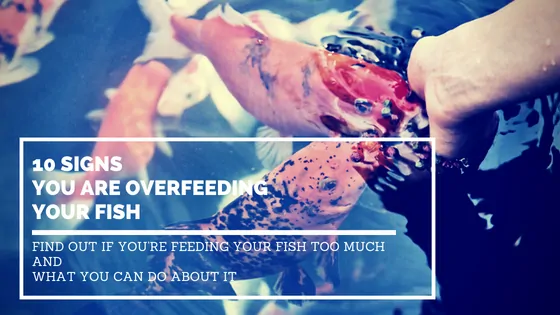
Overfeeding is one of the most common mistakes in the aquarium hobby—mostly because it doesn’t feel like a mistake. Fish always look hungry. That eager rush to the surface when you walk up to the tank? It’s easy to read as “they need food,” so you add a little more… then a little more… until water quality starts quietly sliding.
And that’s the real problem: overfeeding rarely harms fish directly. It harms the tank. Extra food breaks down into waste that spikes ammonia, fuels algae blooms, clogs filtration, and lowers oxygen—creating stressful conditions where disease is more likely to take hold.
The Real Danger
Overfeeding doesn’t kill fish directly — the real risk isn’t the extra food, it’s what it does to the tank. Uneaten food and added waste decay, driving water quality downhill long before you notice.
Why Your Fish Always Seem Hungry
Before diving into the signs of overfeeding, understand why fish appear perpetually hungry — because this instinct is exactly what leads owners to overfeed.
Fish are opportunistic feeders. In the wild, meals are unpredictable — food may be abundant one day and completely unavailable the next. Evolution programmed fish to eat whenever food appears, storing energy for the lean times that could come at any moment. A fish’s instinct is to eat, eat, and eat — because in nature, the next meal is never guaranteed.
When fish feed, they simultaneously open their mouths and close their gills to create suction, pulling food and water in together. This reflex triggers whenever food is present, regardless of how full the fish already is. It’s a survival mechanism, not a hunger signal.
In your aquarium, fish quickly learn that your presence means food. That excited swimming toward the surface isn’t hunger — it’s learned anticipation. Your fish would “ask” for food every time you walked by, regardless of how recently they ate.
Never use fish behavior as a feeding guide. A healthy fish begging for food is normal. A fish that doesn’t beg is actually the one to worry about.
The 10 Signs of Overfeeding
These warning signs range from obvious visual cues to subtle water chemistry changes. If you notice even one or two of these in your tank, overfeeding is likely the culprit.
1. Uneaten Food in the Tank
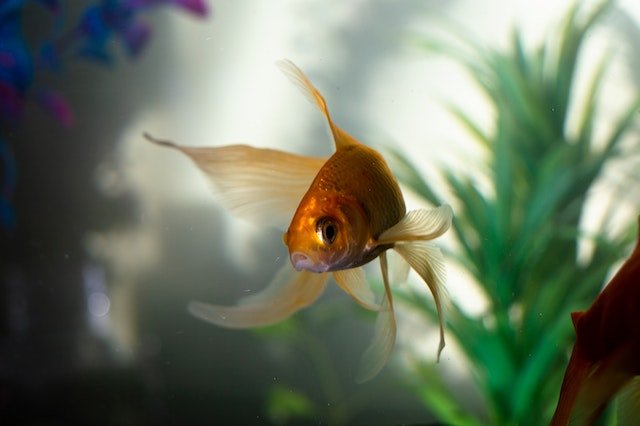
Fish often beg for food even when they don't need it — this behavior isn't a reliable hunger indicator
Uneaten food is the most obvious sign of overfeeding — whether it’s settling on your substrate or still floating on the surface minutes after feeding. If you see food accumulating anywhere in the tank after feeding, you’re offering too much.
The 2-3 Minute Rule
Fish should consume all food within 2-3 minutes. Any food remaining after this time indicates overfeeding. If you regularly see food on the bottom or floating on top, immediately reduce portion sizes. A fish’s stomach is much smaller than most owners imagine.
Watch your fish during feeding. When they slow down, stop coming to the surface, or start ignoring food, they’re done. That’s your cue to stop feeding, even if you haven’t given as much as usual. Choose foods appropriate for your fish — top-feeders need floating flakes, while bottom-dwellers like Corydoras need sinking wafers.
2. Cloudy or Milky Water
Cloudy water in an established aquarium often signals a bacterial bloom — and bacterial blooms feed on decomposing organic matter. When excess food breaks down, bacteria multiply rapidly to consume it, creating that characteristic milky haze. These bacteria can reproduce every few hours, so a single overfeeding session can trigger a bloom that clouds the entire tank overnight.
If your tank goes cloudy shortly after feeding or stays persistently hazy despite water changes, overfeeding is a likely cause. The solution isn’t more filtration or water changes — it’s feeding less food in the first place. For a deeper dive into diagnosing and fixing hazy water, see our guide on cloudy aquarium water.
3. Algae Blooms
Excess food means excess nutrients — specifically the nitrates and phosphates that fuel algae growth. If your tank constantly battles green or brown algae despite adequate filtration and reasonable lighting, overfeeding may be the hidden culprit.
Uneaten food decomposes into the same nutrients that algae need to thrive. You might blame your lights or your filter, but the real problem could be on your feeding spoon. Brown algae (diatoms) is especially common in tanks where overfeeding elevates silicate and nitrate levels. If you’re already dealing with an outbreak, see our guide on how to get rid of algae.
Algae Fueled by Overfeeding
- Green water (free-floating algae bloom)
- Brown diatom algae coating surfaces
- Green spot algae on glass and decorations
- Hair algae tangled in plants and hardscape
4. Dirty Gravel and Substrate
Does your substrate accumulate gunk faster than it should? Organic debris buildup — a mix of uneaten food and excess fish waste from overfeeding — settles into gravel and decomposes, creating visible dirty patches.
In a properly fed tank, beneficial bacteria and your cleanup crew (snails, shrimp, Corydoras) handle normal waste. When debris overwhelms them and you’re vacuuming more frequently than usual, overfeeding is likely adding to the load. For gravel cleaning tips, see our guide on how to clean your fish tank.
5. Low pH Levels
Decomposing organic matter produces acids that lower your tank’s pH over time. These acids neutralize the carbonate hardness (KH) that acts as your water’s pH buffer — once KH is depleted, pH can crash rapidly and unpredictably. If your pH consistently drops between water changes faster than normal, excess food decomposition may be consuming your KH buffer.
Test both pH and KH regularly with a kit like the API Freshwater Master Test Kit and track whether drops correlate with feeding amounts. A sudden pH crash can stress fish severely, and chronic low pH weakens immune systems and suppresses the beneficial bacteria in your biological filter — creating a dangerous feedback loop where waste processing slows just as waste production increases. For more on managing water chemistry, see our guide to fish tank pH levels.
6. Clogged Filters
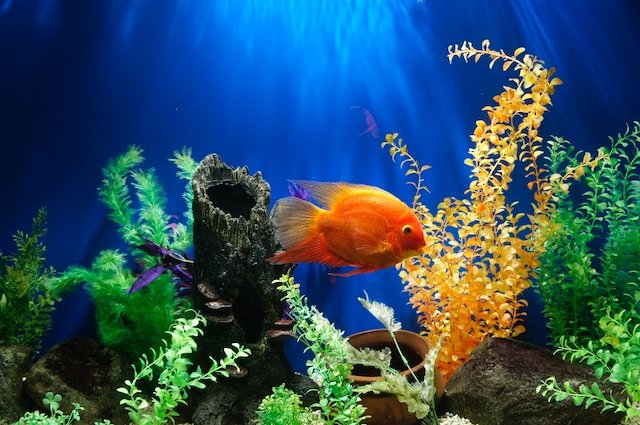
Healthy fish thrive in properly maintained water — a clean tank starts with proper feeding
Your filter shouldn’t need constant cleaning. If you’re rinsing filter media every few days, noticing dramatically reduced flow, or finding the intake clogged with debris, excess food particles are likely overwhelming your mechanical filtration.
Filters can only handle so much organic matter before they struggle. That extra debris often comes from uneaten food — and the solution is feeding less, not buying a bigger filter.
7. Ammonia Spikes
Ammonia spikes are the most dangerous consequence of overfeeding. Uneaten food and excess fish waste (fish produce more waste when overfed) release ammonia as they decompose. Your beneficial bacteria convert ammonia to less toxic compounds, but overfeeding can overwhelm this biological filter.
Test your water regularly with a reliable kit like the API Freshwater Master Test Kit. Any ammonia reading above 0 ppm in an established tank suggests your biofilter is overwhelmed — often by excess feeding.
Ammonia Poisoning Warning Signs
- Fish gasping at the water surface
- Red or inflamed gills
- Lethargy and loss of appetite
- Fish staying near filter output (seeking oxygenated water)
- Sudden unexplained deaths
8. Elevated Nitrite Levels
When ammonia exceeds your biofilter’s capacity, nitrite levels rise as beneficial bacteria struggle to keep up with processing. Nitrite interferes with fish blood’s ability to carry oxygen, essentially suffocating fish even in well-oxygenated water.
Any nitrite reading above 0 ppm in a cycled tank indicates your system can’t process the waste load. Before adding more filtration or doing emergency water changes, ask yourself: am I overfeeding?
9. Obese or Bloated Fish
Yes, fish can get fat. Chronic overfeeding leads to visible fat deposits, bloated bellies, and in severe cases, difficulty swimming. Obesity isn’t just cosmetic — fat deposits press on internal organs, shortening lifespan and increasing disease susceptibility.
Signs of Obesity in Fish
- Rounded belly that doesn't reduce between feedings
- Visible fat deposits behind the head or near the tail
- Difficulty swimming normally or reduced activity
- Scales beginning to protrude (pineconing) in severe cases
Chronic overfeeding can also cause fatty liver disease (hepatic lipidosis), particularly in African cichlids and rainbowfish. This condition impairs liver function and can be fatal. Swim bladder problems from constipation are another common consequence — fish become unable to control their buoyancy and float sideways or sink to the bottom.
10. Foul Smell from the Tank
A healthy aquarium should have little to no odor — perhaps a faint earthy smell at most. If your tank develops a foul, rotten, or sulfurous smell, decomposing organic matter is the cause. That organic matter is often uneaten food that’s fallen into crevices, settled behind decorations, or buried in substrate where you can’t see it.
The smell is a late-stage warning sign that water quality has already degraded significantly. Don’t just mask it with water changes — find and remove the source, then reduce feeding to prevent recurrence.
Why Overfeeding Is So Dangerous
The consequences of overfeeding compound over time. What starts as slightly cloudy water can cascade into a full tank crisis.
Consequences of Chronic Overfeeding
- Toxic ammonia and nitrite accumulation
- Bacterial blooms that deplete dissolved oxygen
- pH crashes from organic acid buildup
- Stressed fish with weakened immune systems
- Increased susceptibility to ich, fin rot, and other diseases
- Shortened lifespans across all tank inhabitants
- Clogged filtration requiring constant maintenance
- Persistent algae problems that won't respond to treatment
- Foul odors from decomposing organic matter
- Detritus worms and planaria outbreaks
How to Feed Fish Properly
Proper feeding is simpler than most owners realize — the key is restraint.
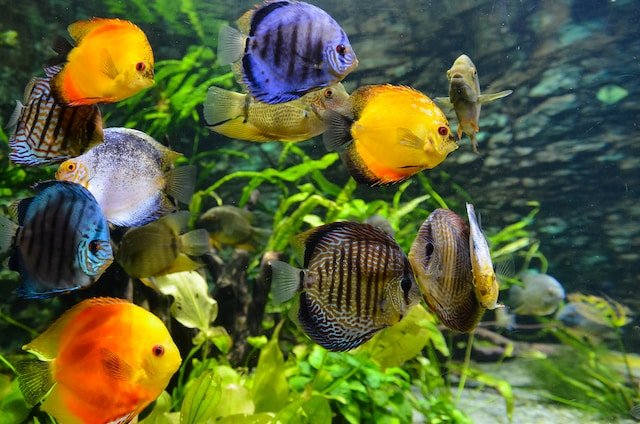
Feed only what fish can consume in 2-3 minutes — their stomachs are smaller than you'd think
Portion Size
A fish’s stomach is much smaller than most owners imagine. Start with a tiny pinch, less than you think is enough, and observe whether fish eat everything quickly. If food reaches the bottom before fish consume it, you’ve given too much.
Feeding Frequency
Once or twice daily is sufficient for most adult fish. Many experienced aquarists feed once daily or skip a day each week, which actually benefits fish health by allowing complete digestion and reducing waste.
The Fasting Benefit
Fasting fish for one or two days per week helps prevent constipation, gives their digestive systems a rest, and reduces the overall nutrient load in your tank. Healthy adult fish can easily go 3-7 days without food — they won’t starve from a weekly fast. Planning a trip? See our guide on fish care while on vacation.
The Correct Feeding Method
Proper Feeding Technique
- Add a small amount of food — less than you think they need
- Watch fish eat for 2-3 minutes
- Stop feeding when activity slows or food starts sinking uneaten
- Remove any uneaten food with a net or turkey baster
- Adjust tomorrow's portion based on today's results
- Consider adding a cleanup crew (snails, shrimp, Corydoras) for fallen food
Consider Your Fish’s Specific Needs
Different species have different dietary requirements:
- Herbivores (like mollies and some plecos) benefit from more frequent, smaller meals
- Carnivores (like bettas and many cichlids) do well with less frequent, larger meals
- Bottom feeders (like Corydoras and loaches) need sinking foods that reach them
- Surface feeders prefer floating flakes or pellets
Research your specific species rather than applying generic feeding rules. A betta’s needs differ dramatically from a goldfish’s.
When in Doubt, Underfeed
Healthy adult fish can go several days — even a week or two — without food. Underfeeding occasionally is far safer than overfeeding regularly. If you’re unsure whether you’ve given enough, err on the side of less. You can always add more tomorrow, but you can’t undo water quality damage.
Fixing an Overfed Tank
If you recognize these signs in your tank, here’s how to recover:
- Stop feeding for 2-3 days — healthy fish won’t suffer, and the break lets your biofilter catch up
- Remove visible uneaten food with a net, turkey baster, or gravel vacuum
- Test water parameters with a kit like the API Freshwater Master Test Kit — check ammonia, nitrite, nitrate, and pH
- Perform a 25-50% water change if ammonia or nitrite are elevated
- Clean or rinse filter media in old tank water (never tap water, which kills beneficial bacteria) — see our guide on how to change filter media without losing bacteria
- Resume feeding with much smaller portions — aim for half what you were giving before
- Monitor for improvement over the next week, testing water every few days
If you have fish showing signs of swim bladder problems (floating sideways, struggling to swim normally), the 2-3 day fast often helps. Some aquarists feed a blanched, deshelled pea after fasting to help with constipation — though this works better for goldfish and other species that accept vegetables.
Conclusion
Overfeeding is one of the most common and most damaging mistakes in fishkeeping — but it’s also one of the easiest to fix. (It’s not the only one, though — see our rundown of common fishkeeping mistakes to avoid the rest.) Your fish will always act hungry. That’s instinct, not an accurate indicator of need.
Learn to recognize the warning signs: uneaten food on the substrate, cloudy water, persistent algae, clogged filters, and poor water quality readings. Feed small amounts, remove uneaten food, and remember that a slightly hungry fish is healthier than an overfed tank full of water quality problems.
When in doubt, feed less. Your fish — and your water quality — will thank you.
How do I know if I'm feeding my fish too much?
The clearest signs of overfeeding include uneaten food settling on the substrate, frequent algae blooms, cloudy or milky water, clogged filters, and elevated ammonia readings on your test kit. If food remains in the tank after 2-3 minutes of feeding, you're giving too much. Watch for these tank warning signs rather than relying on fish behavior — fish will always act hungry regardless of how recently they ate.
Why do my fish always seem hungry?
Fish are opportunistic feeders programmed by evolution to eat whenever food is available. In the wild, meals are unpredictable — abundant one day, scarce the next — so fish evolved to eat constantly when possible and store energy for lean times. Your aquarium fish have learned that your presence means food, so they swim eagerly to the surface in anticipation. This behavior isn't hunger — it's learned anticipation. Never use fish behavior as a feeding guide.
How much should I feed my fish?
Feed only what fish can consume in 2-3 minutes, once or twice daily. A fish's stomach is much smaller than most owners imagine, so start with a tiny pinch — less than you think they need — and observe. If food reaches the substrate before fish eat it, you've given too much. Most fish thrive on less food than owners assume.
Can overfeeding kill fish?
Yes, though usually indirectly. Fish rarely eat themselves to death — the real danger is what happens to uneaten food. Decomposing food creates ammonia spikes that stress fish, damage gills, and trigger disease. Chronic overfeeding also causes fatty liver disease in species like African cichlids and rainbowfish, and can lead to swim bladder problems from constipation. The water quality problems caused by overfeeding are the actual killers.
How long can aquarium fish go without food?
Healthy adult fish can safely go 3-7 days without food, and many can survive up to two weeks with no ill effects. Fish are cold-blooded, so their metabolism is slower than warm-blooded pets. Fasting fish for 1-2 days per week is actually beneficial — it allows their digestive systems to rest and helps prevent overfeeding. If you're going on vacation, your fish will be fine for a long weekend without an automatic feeder.
Should I fast my fish once a week?
Yes, many experienced aquarists recommend fasting fish one or two days per week. Fasting allows fish to fully digest previous meals, helps prevent constipation and swim bladder issues, and reduces the overall waste load in your tank. Fasting is especially beneficial if you tend to feed generously — it gives your biological filter a break and helps maintain water quality.
Related Topics
Found this helpful?
Share this guide with your fellow aquarium enthusiasts!

Written by
Jonathan Jenkins
I've been keeping fish for over 15 years — everything from planted freshwater tanks to saltwater reefs. I currently have a 30 gallon overstocked guppy breeding tank, 40 gallon planted self-cleaning aquarium, 200 gallon reef tank, and 55 gallon frag tank. I joined Fish Tank World to continue learning while sharing what I've learned along the way.