Quick Overview
A healthy goldfish aquarium requires a 10–55 gallon tank (bigger is better), a quality filter rated 2-3x the tank volume, LED lighting, and stable water conditions (pH 6.8–8.2, temp 65–75°F). Goldfish produce more waste than most freshwater fish, so plan for regular water changes and monthly filter maintenance.
Goldfish (Carassius auratus) rank among the world’s most popular aquarium species, with over 200 million kept as pets globally according to the American Pet Products Association’s 2024 National Pet Owners Survey. Despite their widespread popularity, goldfish require more complex care than commonly assumed. Proper goldfish aquarium setup requires adequate tank size, high-capacity filtration, and specific water parameters (pH 6.8-8.2, temperature 65-75°F) to support their high waste production and active swimming behavior. This guide covers everything from choosing the right tank size to cycling your aquarium before adding goldfish. For a broader overview of goldfish keeping, see our goldfish care for beginners guide.
Equipment Checklist
Essential Equipment
- Aquarium: 10-55 gallons glass tank with stand
- Filter: HOB or canister rated 2-3x tank volume GPH
- Heater: Adjustable submersible (5W per gallon) set to 68-70°F
- Lighting: LED fixture with 6500K daylight spectrum
- Substrate: Aquarium gravel, 1-2 inches depth
- Decorations: Smooth rocks, artificial or live plants
Supplies and Accessories
- Water conditioner: Dechlorinator/chloramine remover
- Beneficial bacteria: Cycling starter culture
- Test kit: Ammonia, nitrite, nitrate, pH (API Freshwater Master Kit recommended)
- Thermometer: Digital or glass stick-on
- Fish net: Fine mesh, 4-6 inch
- Gravel vacuum: Siphon with gravel tube
- Goldfish food: High-quality pellets, flakes, or gel food
Estimated Total Cost: $100–$400 depending on tank size and brand selection.
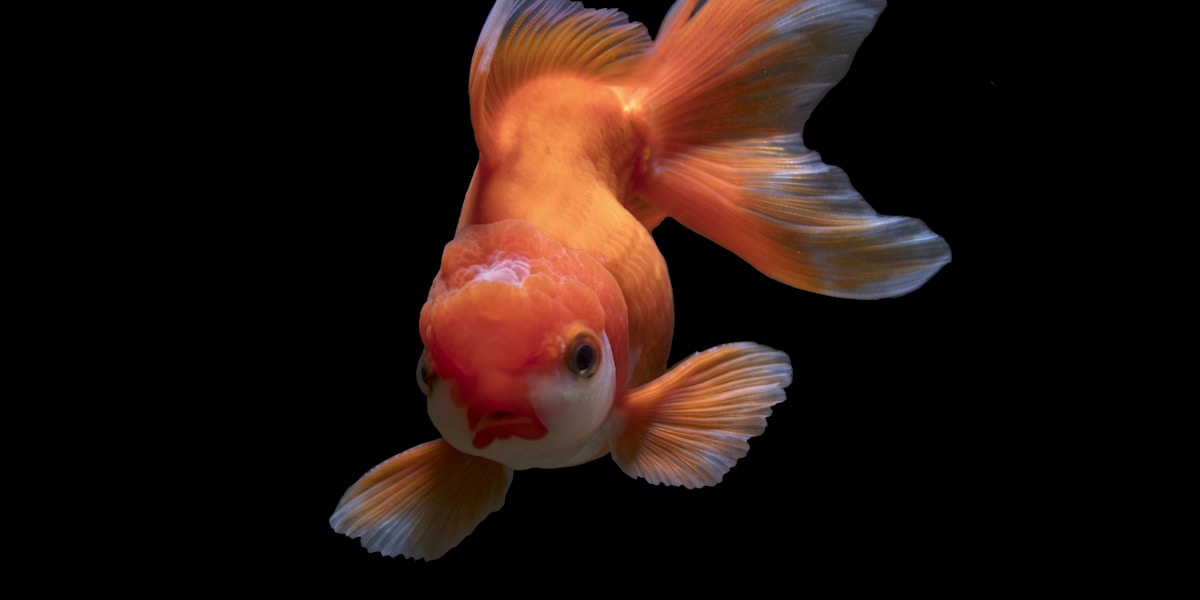
Goldfish thrive in properly maintained aquariums with adequate space and clean water
Understanding Goldfish
Origins and History
Goldfish (Carassius auratus) descended from the Prussian carp (Carassius gibelio), which farmers originally raised for food in East Asia over 1,000 years ago. Occasional genetic mutations produced carp with unusual yellow, red, or orange pigmentation instead of the standard olive-brown coloration. Chinese breeders documented selective breeding of these ornamental color morphs as early as 960 AD during the Song Dynasty, according to historical records cited in Smartt’s 2001 study “Goldfish Varieties and Genetics.” Today there are hundreds of varieties of goldfish that look nothing like their carp ancestors. Japanese aquarists developed fancy goldfish varieties including telescope eyes, bubble eyes, and elaborate flowing fins between 1500-1800 AD.
While Prussian carp thrive in murky, low-oxygen pond environments, domesticated goldfish require clearer water conditions with adequate filtration and regular maintenance to remain healthy. Understanding this wild ancestry explains why goldfish need larger tanks and stronger filtration than their small size might suggest.
Biology and Behavior
Goldfish exhibit highly active swimming behavior and explore all levels of the aquarium environment throughout the day. Goldfish are omnivorous feeders that consume plant matter, aquatic worms, small crustaceans, and fish eggs in wild pond settings. Unlike most fish species, goldfish lack a true stomach organ and instead process food continuously through an elongated intestinal tract, according to Dr. Gregory Lewbart’s “Invertebrate Medicine” (2011). This continuous digestion causes goldfish to produce 3-4 times more metabolic waste than comparably-sized tropical fish species.
Larger aquarium volumes provide critical dilution capacity — what experienced fishkeepers call the “dilution factor” — that prevents toxic ammonia and nitrite accumulation between water changes. This waste output is the primary reason goldfish need bigger tanks and stronger filters than other freshwater species of similar size. For more on how goldfish differ from similar-looking species, see our guide on koi fish vs goldfish differences.
Choosing Your Equipment
Aquarium Size and Selection
Aquarium retailers typically sell juvenile goldfish measuring 1-2 inches in length, but goldfish grow rapidly when provided adequate space and nutrition. Fancy goldfish varieties (Orandas, Ryukins, Fantails) reach 6-8 inches in body length within 2-3 years, while slim-bodied Comet and Common goldfish grow to 10-14 inches according to the Aquarium Fish International’s 2023 growth rate study. Crowded tank conditions create chronic stress in goldfish, suppressing immune system function and increasing disease susceptibility by up to 300% compared to properly housed specimens, based on research published in the Journal of Fish Biology (2020). For a deeper breakdown of how tank dimensions affect fish health, see our guide on choosing the right fish tank size. Keepers planning for 4+ goldfish should also explore our large aquarium guide.
Which Tank Size Do You Need?
10 gallon: Suitable for 1-2 small fancy goldfish. Requires more frequent water changes due to limited dilution. Best for beginners with a tight budget who plan to upgrade later.
20 gallon: The recommended starting point for most goldfish keepers. Houses 2-3 fancy goldfish comfortably with room to grow. Balances cost, space, and water stability.
55 gallon: Ideal for established collections of 4-6 fancy goldfish or 2-3 slim-bodied varieties. Provides the most stable water parameters and room for adult-sized fish.
Aquarium Kits by Size
| Tank Size | 10 gallons | 20 gallons | 55 gallons |
| Dimensions | 20" L x 10" W x 12" H | 24" L x 12" W x 16" H | 48" L x 13" W x 21" H |
| Goldfish Capacity | 1-2 small fancy goldfish | 2-3 fancy goldfish | 4-6 fancy or 2-3 slim-bodied |
| Included Filter | QuietFlow internal filter | QuietFlow internal filter | Tetra Whisper Power Filter |
| Included Lighting | LED hood light | LED hood light | Dual LED hoods |
| Best For | Beginners on a budget | Most goldfish keepers (recommended) | Serious hobbyists and growing collections |
| Maintenance Level | High — weekly water changes needed | Moderate — biweekly water changes | Low — most stable water parameters |
| Check Price | Check Price | Check Price |
- Tank Size
- 10 gallons
- Dimensions
- 20" L x 10" W x 12" H
- Goldfish Capacity
- 1-2 small fancy goldfish
- Included Filter
- QuietFlow internal filter
- Included Lighting
- LED hood light
- Best For
- Beginners on a budget
- Maintenance Level
- High — weekly water changes needed
- Tank Size
- 20 gallons
- Dimensions
- 24" L x 12" W x 16" H
- Goldfish Capacity
- 2-3 fancy goldfish
- Included Filter
- QuietFlow internal filter
- Included Lighting
- LED hood light
- Best For
- Most goldfish keepers (recommended)
- Maintenance Level
- Moderate — biweekly water changes
- Tank Size
- 55 gallons
- Dimensions
- 48" L x 13" W x 21" H
- Goldfish Capacity
- 4-6 fancy or 2-3 slim-bodied
- Included Filter
- Tetra Whisper Power Filter
- Included Lighting
- Dual LED hoods
- Best For
- Serious hobbyists and growing collections
- Maintenance Level
- Low — most stable water parameters
Filtration Systems
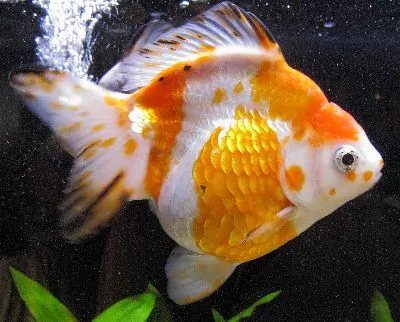
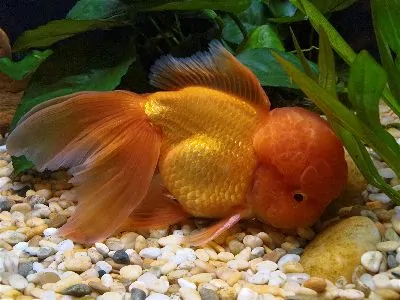
Goldfish like this Ryukin produce heavy waste loads that require strong filtration to maintain water quality
Goldfish filtration capacity should match 2-3 times the tank volume per hour. A 20-gallon goldfish tank needs a filter rated for at least 40-60 gallons per hour (GPH) to handle the heavy waste load goldfish produce. For tanks 40 gallons and larger, canister filters offer superior media capacity — see our best canister filters roundup for detailed comparisons. Two main filter types suit goldfish aquariums:
Hang-on-Back (HOB) Filters
Best for 10-30 gallon goldfish tanks
- Captures floating debris through mechanical filtration
- Activated carbon removes dissolved organic compounds
- Even water flow without excessive current
- Easy cartridge replacement and maintenance
- Affordable price point for beginners
Canister Filters
Best for 40+ gallon goldfish tanks
- Holds significantly more filtration media
- Higher flow rates for large tank volumes
- Spray bars distribute water flow gently
- Longer intervals between maintenance
- Quieter operation than most HOB filters
Recommended Filters by Tank Size
| Filter Type | Hang-on-Back | Hang-on-Back | Canister |
| Flow Rate | 105 GPH | 100 GPH | 303 GPH |
| Recommended Tank Size | 10 gallon goldfish tanks | 20 gallon goldfish tanks | 55 gallon goldfish tanks |
| Filtration Stages | 3 (mechanical, chemical, biological) | 3 (mechanical, chemical, biological) | 5 (multi-basket system) |
| Adjustable Flow | No | Yes | Yes |
| Refillable Media | No — uses StayClean cartridges | Yes — reduces long-term cost | Yes — custom media baskets |
| Key Advantage | Ultra-quiet operation with StayClean technology | Adjustable flow protects fancy goldfish | AquaStop valve prevents leaks during maintenance |
| Check Price | Check Price | Check Price |
- Filter Type
- Hang-on-Back
- Flow Rate
- 105 GPH
- Recommended Tank Size
- 10 gallon goldfish tanks
- Filtration Stages
- 3 (mechanical, chemical, biological)
- Adjustable Flow
- No
- Refillable Media
- No — uses StayClean cartridges
- Key Advantage
- Ultra-quiet operation with StayClean technology
- Filter Type
- Hang-on-Back
- Flow Rate
- 100 GPH
- Recommended Tank Size
- 20 gallon goldfish tanks
- Filtration Stages
- 3 (mechanical, chemical, biological)
- Adjustable Flow
- Yes
- Refillable Media
- Yes — reduces long-term cost
- Key Advantage
- Adjustable flow protects fancy goldfish
- Filter Type
- Canister
- Flow Rate
- 303 GPH
- Recommended Tank Size
- 55 gallon goldfish tanks
- Filtration Stages
- 5 (multi-basket system)
- Adjustable Flow
- Yes
- Refillable Media
- Yes — custom media baskets
- Key Advantage
- AquaStop valve prevents leaks during maintenance
Lighting
LED aquarium fixtures provide optimal lighting for goldfish tanks while consuming 75% less energy than traditional fluorescent bulbs, according to the U.S. Department of Energy’s 2023 lighting efficiency report. LED fixtures featuring 6500K color temperature (“daylight” spectrum) enhance natural goldfish coloration while supporting live plant photosynthesis if you choose to add plants. Goldfish tanks typically don’t need high-intensity planted-tank lighting — a basic to mid-range LED provides plenty of illumination for viewing and low-light plant species.
For a deeper comparison of LED fixtures including premium options for planted setups, see our complete guide to the best LED lights for freshwater aquariums.
Recommended LED Lights for Goldfish Tanks
Best budget LED — reliable, natural-looking light with 4,900+ Amazon reviews
- Full-spectrum output: 6,500K white, blue, red, and green LEDs
- Extendable brackets fit tanks 12-48 inches
- Included timer controller for automated day/night cycles
- Aluminum housing with solid build quality
Built-in timer with sunrise/sunset simulation at an affordable price
- Built-in auto on/off timer — no external timer needed
- 7 color modes with 10-level dimming
- Gradual 15-minute sunrise/sunset simulation
- IP68 waterproof rating — fully sealed aluminum housing
Water Conditions and Environment
Water Parameters
Optimal Water Parameters for Goldfish
Goldfish tolerate a wider pH range (6.8-8.2) than most tropical species, but stable parameters matter more than hitting a specific number. Test ammonia, nitrite, and pH weekly using a liquid test kit (the API Freshwater Master Test Kit is the standard). Ammonia and nitrite readings should always be 0.0 ppm in a cycled aquarium. Any detectable ammonia or nitrite indicates a problem requiring immediate water changes.
Warning: Nitrite Poisoning
Goldfish are particularly sensitive to chronic nitrite exposure, which causes dark red blotches — almost like bruises — on their bodies and prevents oxygen transport to vital organs. This constitutes an emergency requiring immediate 50% water change and investigation of the cause.
Temperature Requirements
Unlike tropical fish, goldfish prefer cooler water between 65-75°F. Avoid placing goldfish aquariums near fireplaces, heating vents, or in direct sunlight for extended periods. Many experienced keepers use aquarium heaters set to 68-70°F as a safety measure against temperature fluctuations rather than to actively heat the water. Room temperature swings during seasonal changes or overnight can shift unheated tanks by 10-15°F, creating chronic stress for goldfish.
Aquascaping
Goldfish naturally sift through substrate searching for food, which can uproot live plants and scatter gravel. Uneaten food settling in gravel decays and causes problems:
- Cloudy water from bacterial bloom
- Accelerated algae growth from excess nutrients
- Nitrite and ammonia spikes from decomposing organic matter
Decoration guidelines:
- Any aquarium-safe gravel works — rinse thoroughly before adding
- Use smooth larger pebbles or rocks around plant bases to prevent goldfish from digging them up
- Avoid sharp, rough, or pointy ornaments — particularly important for telescope and bubble-eye goldfish varieties with delicate eyes and poor vision
- Java Fern and Anubias attach to rocks and driftwood, making them goldfish-resistant plant options
For more on goldfish varieties with special care needs, see our Black Moor goldfish care guide.
Step-by-Step Setup Guide
Time Required: 2-3 hours for assembly + 4-6 weeks for cycling | Difficulty: Beginner-Friendly
Complete aquarium setup for goldfish requires systematic assembly and cycling to establish beneficial bacteria colonies. Follow these steps to create a biologically stable environment before adding goldfish.
Complete Setup Process
Select and Position the Aquarium
Choose a sturdy, level surface away from direct sunlight and heat sources. Verify the stand supports 10 pounds per gallon (a 20-gallon tank weighs approximately 200 pounds when filled, a 55-gallon tank weighs over 550 pounds). Ensure electrical outlets are accessible but protected from water splashes.
Never move a filled aquarium — water weight causes glass stress and potential failure.
Rinse Tank and Equipment
Rinse the empty aquarium, gravel, and decorations with warm tap water only — never use soap or cleaning chemicals. Manufacturing residues and dust require removal before filling. Rinse aquarium gravel in a bucket until runoff water runs clear (typically 3-5 rinses).
Add Substrate and Decorations
Pour rinsed gravel into the tank, creating a 1-2 inch layer sloped slightly toward the front for easier debris removal during maintenance. Position larger rocks and decorations before filling with water. Place a clean plate or bowl on the gravel to prevent disruption when adding water.
Fill with Dechlorinated Water
Fill the aquarium halfway with room-temperature tap water, pouring onto the plate to avoid disturbing substrate. Add water conditioner according to package directions to neutralize chlorine and chloramine. Fill the remainder of the tank, leaving 1-2 inches below the rim for equipment installation.
Water conditioners work instantly — treated water is immediately safe for beneficial bacteria colonization.
Install Filter and Heater
Mount the HOB filter on the back glass rim or position canister filter intake and output tubes. Set the aquarium heater to 68-70°F and fully submerge below the waterline. Plug in all equipment — verify the filter creates gentle water movement and the heater indicator light activates. Allow 15 minutes for heater calibration before checking temperature accuracy.
Position LED Lighting
Install the LED fixture on the tank rim or suspend above the water surface per manufacturer specifications. Program the timer for 8-10 hours of daily lighting (excessive light duration promotes algae growth). Goldfish require regular day/night cycles for healthy circadian rhythms.
Cycle the Aquarium (Critical Step)
Add beneficial bacteria starter culture according to product instructions. Run the filter continuously for 4-6 weeks without goldfish to establish nitrogen-processing bacteria colonies. Test water every 3-4 days — ammonia and nitrite levels will spike then drop to zero when cycling completes. Only add goldfish after both ammonia and nitrite remain at 0.0 ppm for one full week.
Fishless cycling using pure ammonia source accelerates the process to 2-3 weeks — follow dosing guides carefully.
Acclimate and Add Goldfish
Float the sealed goldfish bag in the aquarium for 15-20 minutes to equalize temperature. Open the bag and add 1/4 cup of tank water every 5 minutes for 20 minutes total. Gently net the goldfish from the bag (discard bag water — it may contain pathogens) and release into the aquarium. Feed sparingly for the first 3 days while goldfish adjust to their new environment.
Post-Setup Monitoring
Monitor water parameters daily for the first two weeks after adding goldfish. Expect minor ammonia and nitrite spikes as the biological filter adjusts to the fish waste load. Perform 20% water changes if either ammonia or nitrite exceeds 0.25 ppm. Goldfish behavior indicates water quality — active swimming and strong appetite signal proper conditions, while lethargy or surface gulping indicates problems requiring immediate testing and intervention.
Ongoing Care
Maintenance Schedule
Regular maintenance keeps goldfish healthy and water crystal clear
Goldfish produce substantial solid waste requiring diligent maintenance routines. For step-by-step cleaning instructions, see our guide on how to clean a fish tank, and for ongoing upkeep strategies, read how to keep a fish tank clean.
Monthly Maintenance Schedule
Filter Maintenance (Every 2-4 Weeks)
Rinse or replace filter cartridges to maintain flow rate and filtration efficiency. For canister filters, clean media baskets in dechlorinated water (never tap water — chlorine kills beneficial bacteria). Prevent organic decay that promotes algae and disease organisms.
Gravel Vacuuming (Monthly)
Use a gravel vacuum/siphon to remove sludge trapped between gravel particles. Dark sludge layers harbor pathogenic bacteria and parasitic organisms. Combine gravel vacuuming with partial water changes for efficiency.
Water Changes (Every 1-2 Weeks)
Remove 20-30% of tank water and replace with temperature-matched, dechlorinated tap water. Regular water changes dilute phosphate and nitrate buildup, preventing algae blooms and maintaining overall water quality. Goldfish tanks need more frequent water changes than most freshwater setups due to higher waste output.
Feeding Guidelines
Goldfish eagerly greet their keepers at the water surface, appearing perpetually hungry. However, overfeeding causes obesity and swim bladder problems, particularly in egg-shaped fancy varieties like Orandas, Ryukins, and Pearlscales. For detailed feeding schedules, portion sizes, and nutrition guidance, see our complete guide to feeding goldfish.
Feeding best practices:
- Feed only what goldfish consume within 2-3 minutes per session
- Limit feeding to twice daily (morning and evening)
- Remove uneaten food immediately with a net to prevent water fouling
- Soak pellets for 10-15 seconds before feeding to prevent swim bladder issues in fancy goldfish
- Vary the diet between pellets, flakes, and occasional blanched vegetables
Recommended Goldfish Foods
Best everyday flake food — trusted staple with immune-boosting Vitamin C
- ProCare formula with Vitamin C for immune health
- Clean, clear water formula produces less waste
- Easy-to-digest flakes suitable for all goldfish sizes
- Balanced nutrition for daily feeding
Premium sinking pellet — ideal for fancy goldfish prone to swim bladder issues
- Sinking formula prevents air gulping that causes buoyancy problems
- Wheat germ base supports easy digestion
- Contains seaweed and spirulina for balanced nutrition
- Produces minimal waste — helps maintain water quality
Natural ingredient pellets with no artificial colors or fillers
- Natural ingredients — no artificial colors or preservatives
- Slow-floating pellets give goldfish time to feed naturally
- Color-enhancing carotenoids from natural sources
- Suitable for all goldfish varieties and sizes
Frequently Asked Questions
How many goldfish can live in a 30-gallon tank?
A 30-gallon aquarium comfortably houses 2-3 fancy goldfish (Orandas, Ryukins, Fantails) or 1-2 slim-bodied goldfish (Comets, Commons) based on the standard recommendation of 20 gallons for the first goldfish plus 10 gallons for each additional specimen. This calculation accounts for adult size and waste production, according to guidelines published by the Goldfish Society of America.
Can goldfish live in a bowl without a filter?
Goldfish cannot thrive long-term in bowls without filtration due to rapid ammonia accumulation from their high waste production. Bowls lack surface area for adequate oxygen exchange and provide insufficient swimming space for active goldfish. Even with daily 50% water changes, goldfish in bowls experience chronic stress and shortened lifespans compared to those in properly filtered aquariums, according to veterinary research published in the Journal of Fish Diseases (2018).
Do goldfish need a heater in their tank?
Goldfish aquariums benefit from heaters set to 68-70°F to prevent temperature fluctuations, though goldfish tolerate temperatures from 60-75°F. Stable temperatures (within 2-3 degrees) prevent stress-related immune suppression and disease outbreaks. Room temperature fluctuations during seasonal changes or nighttime can swing unheated tanks by 10-15 degrees, creating chronic stress for goldfish.
How often should I clean a goldfish tank?
Goldfish aquariums require partial water changes (20-30% of volume) every 1-2 weeks depending on stocking density, filter capacity, and feeding amount. Monthly gravel vacuuming removes accumulated solid waste from substrate. Filter cartridges or media require cleaning or replacement every 2-4 weeks. Well-maintained goldfish tanks with adequate filtration (rated 2-3x tank volume per hour) and conservative stocking need less frequent maintenance than overstocked systems.
What is the nitrogen cycle and why does it matter?
The nitrogen cycle describes beneficial bacteria converting toxic fish waste (ammonia) into less harmful compounds through a two-step biological process. Nitrosomonas bacteria oxidize ammonia to nitrite, then Nitrobacter bacteria convert nitrite to nitrate. Establishing this bacterial colony through aquarium cycling (4-6 weeks) before adding goldfish prevents ammonia and nitrite poisoning — the leading cause of death in new aquariums.
Can I add goldfish immediately to a new tank?
Adding goldfish immediately to uncycled aquariums causes "new tank syndrome" — ammonia and nitrite poisoning from absent beneficial bacteria. Fish-in cycling requires daily water testing and frequent large water changes (50%) whenever ammonia or nitrite exceed 0.25 ppm. Fishless cycling using ammonia source and beneficial bacteria starter culture establishes stable biological filtration in 3-4 weeks, eliminating goldfish exposure to toxic conditions during the bacterial colonization period.
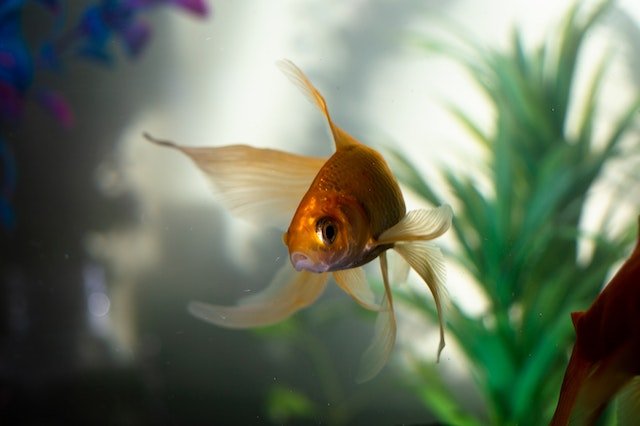
A properly set up goldfish aquarium provides years of enjoyment
Properly set up and maintained goldfish aquariums provide years of enjoyment. Goldfish recognize their caretakers and often interact directly, swimming to the front of the tank at feeding time. Fancy goldfish varieties sometimes swim into human hands during maintenance — a behavior that makes goldfish among the most personable freshwater species. Following the equipment recommendations and maintenance schedule in this guide creates a clean, stable aquarium supporting healthy, vibrant goldfish. Once your tank is established, consider exploring compatible tank mates for goldfish to add variety to your aquarium.
Ready to Set Up Your Goldfish Tank?
With the right equipment and proper cycling, you'll create a thriving environment where your goldfish can live happy, healthy lives for years to come.
Related Topics
Found this helpful?
Share this guide with your fellow aquarium enthusiasts!
Written by
FTW Team
The FishTankWorld editorial team brings together experienced aquarists to help you succeed in the hobby.