
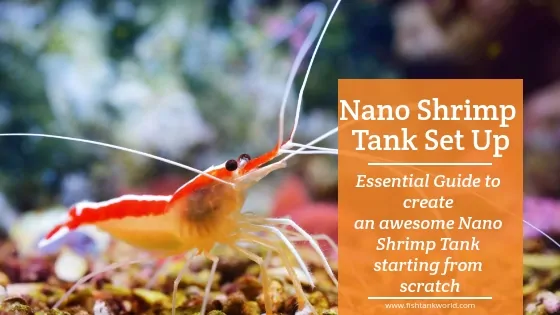
A nano shrimp tank is a compact planted aquarium — typically 5-10 gallons — designed specifically for keeping Neocaridina shrimp. Neocaridina shrimp come in multiple color varieties including Cherry, Blue Velvet, Yellow, Orange, and Green, and all varieties thrive in the same water conditions: 70-80°F, pH 6.0-7.6, and gentle filtration. Setting up a nano shrimp tank requires choosing a stable location, installing appropriate equipment, cycling the tank for 2-4 weeks, and acclimating shrimp gradually before introduction.
Why Nano Shrimp Tanks?
Nano shrimp tanks require less space, less equipment, and less maintenance than traditional fish aquariums. Neocaridina shrimp are among the easiest aquarium inhabitants to keep — they tolerate a wide range of water conditions, eat algae and biofilm naturally, and establish self-sustaining colonies with minimal intervention.
Choosing the Right Location
Selecting the right spot for a nano shrimp tank prevents problems before they start. Water weighs approximately nine pounds per gallon, so a filled 10-gallon nano shrimp tank with substrate and equipment weighs close to 100 pounds.
- Place the nano shrimp tank on a sturdy, level surface — a solid tabletop, countertop, or dedicated aquarium stand
- Avoid dressers and chests of drawers, which flex under weight and transmit vibrations that stress shrimp
- Position away from direct sunlight to minimize algae overgrowth on glass and decorations
- Keep away from heating vents, air conditioning units, and exterior doors that cause temperature swings
- Ensure at least one electrical outlet is within reach for filter, heater, and lighting connections
Electrical Safety
Position power strips above floor level and above the tank’s waterline to prevent water damage. Create a drip loop on every power cord — a U-shaped dip in the cord below the outlet — so any water running down the cord drips off at the lowest point instead of reaching the electrical connection. Drip loops are essential safety measures for any aquarium setup.
Essential Equipment for a Nano Shrimp Tank
Tank Selection
Glass aquariums with beveled edges and clear silicone sealing provide the best clarity and distortion-free viewing for a nano shrimp tank. A 5-10 gallon capacity strikes the ideal balance between compact size and water stability — smaller volumes fluctuate in temperature and chemistry faster, while larger tanks defeat the purpose of a nano setup.
All-in-one nano aquarium kits simplify the process by bundling the tank with lighting and filtration. A 10-gallon rimless aquarium starter kit provides a clean, modern look with unobstructed viewing — rimless designs are popular for shrimp tanks because they showcase aquascaping without distracting frame edges.
Filtration
A nano shrimp tank needs filtration but not strong water flow. Neocaridina shrimp prefer gentle currents and can be injured or stressed by powerful filter intakes.
- Sponge filter with air pump — the most popular choice for nano shrimp tanks because sponge filters provide gentle flow, biological filtration, and a safe grazing surface for shrimp
- Hang-on-back filter with protected intake — the Aqua Clear Power Filter offers adjustable flow rate, making it suitable for nano shrimp tanks when turned to the lowest setting
- Cover every filter intake with a sponge pre-filter or fine mesh netting to prevent shrimp and shrimplets from being pulled into the mechanism
Heating
A submersible heater maintains stable water temperature in a nano shrimp tank. Neocaridina shrimp thrive between 70-80°F, but small tanks lose heat quickly and are vulnerable to room temperature fluctuations. A low-wattage adjustable heater (25-50 watts for 5-10 gallon tanks) prevents the temperature swings that cause stress and molting failures.
Neocaridina shrimp kept at 65-70°F live longer but breed more slowly. Raising the temperature to 80-82°F accelerates breeding activity but shortens the overall lifespan of individual shrimp. Most keepers maintain 72-76°F as a balanced middle ground.
Substrate
Fine sand, regular aquarium gravel, and specialty shrimp substrates all work in a nano shrimp tank. Fluval Plant and Stratum substrate from Amazon buffers pH slightly acidic and supports aquatic plant root development, making it a strong choice for planted nano shrimp tanks. Finer substrates allow Neocaridina shrimp to forage more effectively across the bottom.
Dark-colored substrates (brown or black) encourage Neocaridina shrimp to display deeper, more vivid coloration. Light-colored substrates cause shrimp to appear washed out.
Lighting
LED fixtures are the standard for nano shrimp tanks because LEDs run cool, consume minimal energy, and last for years. Many modern LED fixtures include adjustable color temperature and sunrise/sunset simulation modes that gradually ramp light up and down, reducing stress on shrimp.
Nano shrimp tanks with live plants benefit from 6-8 hours of light daily. Longer lighting periods promote excessive algae growth without providing additional benefit to plants or shrimp.
Decorations and Live Plants
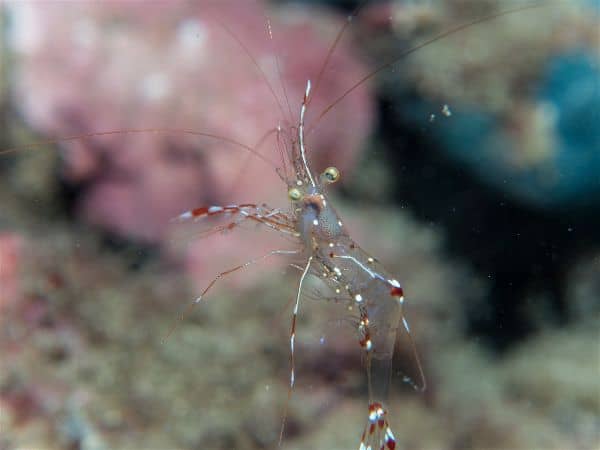
Neocaridina shrimp exploring plants and surfaces in a nano tank
Neocaridina shrimp spend their entire day exploring surfaces, grazing on biofilm, and hiding in sheltered areas — especially during molting when they are vulnerable. A well-decorated nano shrimp tank provides all of these opportunities.
- Java moss — the single most important plant for a nano shrimp tank; java moss creates a dense jungle where Neocaridina shrimp hunt microorganisms, hide shrimplets, and graze continuously
- Driftwood — provides climbing surfaces and develops a layer of biofilm that shrimp feed on
- Aquarium-safe rocks — creates caves and sheltered crevices for molting shrimp
- Shrimp caves and tubes — purpose-built ceramic or coconut shell hiding spots
- Low-light plants (Anubias, Java fern) — hardy plants that thrive under nano tank lighting and provide additional grazing surface
- Floating plants (Salvinia, Amazon Frogbit) — reduce light intensity, lower nitrates, and create shaded resting areas
Water Parameters for Neocaridina Shrimp
Ideal Nano Shrimp Tank Conditions
Neocaridina shrimp tolerate a broad range of water conditions but are more sensitive than most freshwater fish to ammonia, nitrite, and copper. Test water parameters regularly — especially during the first few months after setup — using a liquid test kit rather than test strips for accuracy.
Copper Kills Shrimp
Neocaridina shrimp are extremely sensitive to copper. Even trace amounts from household plumbing or tap water can be fatal. Use a water conditioner that neutralizes heavy metals, and never add medications containing copper to a nano shrimp tank.
Setting Up Your Nano Shrimp Tank
Prepare the Location
Place the nano shrimp tank on a sturdy, level surface near a power outlet. Create drip loops on all electrical cords. Ensure the surface can support the full weight of the filled tank (approximately 9 pounds per gallon plus equipment and substrate).
Add Substrate
Rinse substrate thoroughly before adding it to the nano shrimp tank. Spread a layer 1-2 inches deep across the bottom. Slope the substrate slightly toward the back for visual depth if desired.
Install Equipment
Place the heater and filter inside the nano shrimp tank before filling with water. Position the sponge filter or hang-on-back filter so the flow is gentle and directed away from open swimming areas. Cover all filter intakes with sponge pre-filters.
Fill with Dechlorinated Water
Fill the nano shrimp tank slowly with dechlorinated water. Pour water onto a plate or into a bag placed on the substrate to avoid disturbing the substrate layer. Treat tap water with a conditioner that removes chlorine, chloramine, and heavy metals.
Add Hardscape and Plants
Arrange driftwood, rocks, and shrimp caves to create hiding spots and visual interest. Plant java moss, Anubias, java fern, and other low-light species. Attach moss to driftwood with fishing line or super glue gel.
Cycle the Tank (2-4 Weeks)
Run the filter and heater continuously for 2-4 weeks before adding any Neocaridina shrimp. Add an ammonia source (fish food or liquid ammonia) to feed beneficial bacteria. The nitrogen cycle is complete when ammonia and nitrite both read 0 ppm and nitrate is present. Never skip cycling — uncycled tanks produce toxic ammonia and nitrite levels that kill shrimp.
Acclimate and Introduce Shrimp
After cycling is complete, acclimate Neocaridina shrimp by placing them in a clean bowl with their shipping water. Over 30 minutes, slowly add approximately three-quarters of a cup of tank water for every quart of shipping water, repeating several times. This gradual process allows shrimp to adjust to the nano tank's temperature and chemistry. After acclimation, gently transfer shrimp into the tank with a soft net — avoid pouring shipping water into the nano shrimp tank.
Stocking Your Nano Shrimp Tank
Choosing a Color Variety
Neocaridina shrimp are available in multiple color varieties, all of which require identical care and tank conditions:
- Red (Cherry Shrimp) — the most popular and widely available Neocaridina variety
- Blue (Blue Velvet, Blue Dream) — striking blue coloration in various intensities
- Yellow (Yellow Neocaridina) — bright golden-yellow shrimp
- Orange (Orange Sakura) — vibrant orange coloration
- Green (Green Jade) — translucent to solid green shrimp
One Variety Per Tank
Keep only one Neocaridina color variety per nano shrimp tank. Different color varieties interbreed freely, and mixed-color offspring revert to drab, brownish-gray wild-type coloration over several generations. Maintaining a single variety preserves the vibrant colors that make Neocaridina shrimp so appealing.
Stocking Numbers
Start a nano shrimp tank with a group of 10-20 Neocaridina shrimp. This starting number provides enough genetic diversity for a healthy breeding colony. A 5-gallon nano shrimp tank comfortably supports 10-25 shrimp, while a 10-gallon handles 20-50 or more.
Neocaridina shrimp breed readily in stable conditions without any intervention. Females carry visible green eggs (called a “saddle”) before mating, and berried females carry fertilized eggs under their tail for approximately three weeks before tiny, fully independent shrimplets hatch.
Tank Mates for a Nano Shrimp Tank
Nano shrimp tanks produce the best results as species-only setups. Many freshwater fish are curious predators that chase, nip at, or eat Neocaridina shrimp — causing stress at best and colony collapse at worst.
Safe Tank Mates
- Snails (Nerite, Mystery, Ramshorn) — compatible scavengers that help keep the nano shrimp tank clean
- Otocinclus catfish — gentle algae eaters that generally leave Neocaridina shrimp alone
- Other Neocaridina shrimp — same color variety only to prevent interbreeding
Tank Mates to Avoid
- Most freshwater fish — the majority of fish species view Neocaridina shrimp as food
- Betta fish — many bettas actively hunt and eat shrimp despite their reputation as slow swimmers
- Crayfish and crabs — aggressive invertebrates that catch and consume shrimp
- Large or aggressive snails — apple snails may compete for food and disturb shrimp
Feeding Neocaridina Shrimp
Neocaridina shrimp in a mature, planted nano tank often find enough natural food without supplementation. Java moss is particularly valuable because it hosts a rich community of microorganisms and biofilm that Neocaridina shrimp graze on continuously — java moss functions as a living buffet where shrimp hunt microscopic prey throughout the day.
- Biofilm and algae — the primary natural diet; develops on every surface in a mature nano shrimp tank
- Specialty shrimp pellets — supplement 2-3 times per week when the colony outgrows natural food sources
- Blanched vegetables (zucchini, spinach) — occasional treats in small portions
- Dried Indian almond leaves — release tannins and develop biofilm that Neocaridina shrimp eat over weeks
Avoid Overfeeding
Overfeeding is the most common mistake in nano shrimp tanks. Uneaten food decomposes rapidly in small tanks, causing ammonia and nitrite spikes that are lethal to Neocaridina shrimp. Remove any uneaten food after 2-3 hours, and err on the side of less food rather than more. A healthy nano shrimp tank with established biofilm and java moss provides most of the nutrition shrimp need.
Maintenance Schedule
Nano shrimp tanks require less maintenance than fish aquariums, but consistent care keeps Neocaridina shrimp healthy and prevents parameter swings.
- Water changes — replace 10-15% of the water every 2-3 weeks using dechlorinated water matched to tank temperature
- Filter maintenance — rinse sponge filters in old tank water monthly to remove debris without killing beneficial bacteria; replace hang-on-back cartridges monthly
- Glass cleaning — remove algae from viewing panels with a small magnetic scraper as needed
- Parameter testing — test ammonia, nitrite, nitrate, and pH weekly during the first 2-3 months, then biweekly once the nano shrimp tank stabilizes
- Top-offs — replace evaporated water between water changes with dechlorinated water to maintain stable mineral concentration
Temperature-Match New Water
Always match replacement water to the nano shrimp tank’s current temperature before adding it. Neocaridina shrimp are sensitive to sudden temperature changes, and even a few degrees of difference during a water change can trigger stress and premature molting.
Frequently Asked Questions
What size tank do I need for shrimp?
A 5-10 gallon aquarium provides the best balance of water stability and colony growth space for Neocaridina shrimp. Smaller tanks are possible but require more frequent monitoring and water changes because water parameters fluctuate faster in lower volumes.
Can I keep different shrimp color varieties together?
Keeping different Neocaridina color varieties in the same aquarium causes interbreeding, which produces drab, brownish-gray offspring over several generations. Keep only one color variety per nano shrimp tank to maintain vibrant coloration.
Do shrimp need a filter?
Yes, every nano shrimp tank needs filtration. Sponge filters powered by air pumps are the most popular choice because they provide gentle flow and safe biological filtration. Hang-on-back filters like the Aqua Clear also work well when the intake is covered with a sponge to prevent shrimp from being pulled in.
How long should I cycle a nano shrimp tank before adding shrimp?
Cycle a nano shrimp tank for a minimum of 2-4 weeks before adding Neocaridina shrimp. Ammonia and nitrite must both read 0 ppm on a test kit before the tank is safe. Shrimp are more sensitive to water quality than most fish, so a fully established nitrogen cycle is essential.
How many shrimp can I put in a nano tank?
A general guideline is 2-5 Neocaridina shrimp per gallon. A 5-gallon nano shrimp tank can comfortably house 10-25 shrimp, while a 10-gallon supports 20-50. Start with 10-20 shrimp and allow the colony to grow naturally — Neocaridina shrimp breed readily in good conditions.
Do nano shrimp tanks need a heater?
A submersible heater helps maintain stable water temperature in a nano shrimp tank, especially in rooms with temperature fluctuations. Neocaridina shrimp thrive between 70-80°F. Small tanks lose heat faster than large ones, making a heater more important in nano setups.
For detailed care information on specific Neocaridina varieties, see our Cherry Shrimp Care Guide. For another beginner-friendly freshwater invertebrate, check out our Ghost Shrimp Care Guide.
Related Topics
Found this helpful?
Share this guide with your fellow aquarium enthusiasts!
Written by
FTW Team
The FishTankWorld editorial team brings together experienced aquarists to help you succeed in the hobby.