
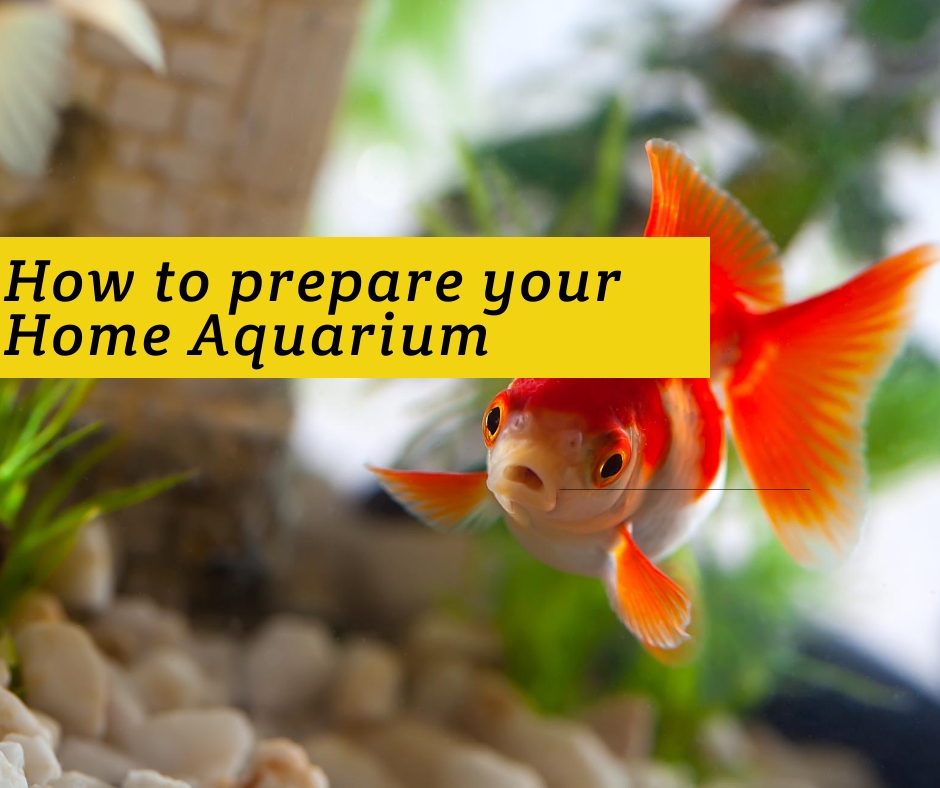
Proper preparation of an aquarium is essential before introducing fish. Taking time to set up your tank correctly creates a healthy environment that supports fish for years to come. This guide covers substrate selection, decoration placement, equipment setup, and water conditioning.
Location First
Choose a location that can support the weight of the tank, has electrical power nearby, and does not experience extreme temperature swings. Avoid direct sunlight, which promotes algae growth and causes temperature fluctuations.
Prepare the Aquarium Location
Before filling your tank, finalize its placement. Moving a filled aquarium is difficult and dangerous. Consider:
Location Requirements
- Sturdy, level surface capable of supporting tank weight
- Nearby electrical outlets for equipment
- Away from windows and direct sunlight
- Accessible for maintenance
- Visible location for enjoyment
Plan your layout in advance. Consider which direction the tank will face and how decorations will create depth and hiding spots for fish.
Preparing Substrate
Sand Preparation
For sandy substrates, use filtration sand or river sand. Sand must be rinsed and cleaned to prevent making the water cloudy with dust. Move sand between buckets while draining dirty water until the water runs clear.
Gravel Selection
Most freshwater aquariums use gravel as substrate. A layer of about 2 inches (5 cm) is needed to create an adequate filter bed, requiring approximately 2 pounds per gallon of tank capacity.
Gravel Preparation Steps
- Rinse thoroughly even if labeled pre-washed
- Continue rinsing until water runs clear
- Test with vinegar to check for limestone content
- Soak overnight in aquarium disinfectant
- Rinse again before adding to tank
Limestone Test
Drop vinegar on gravel samples. If it fizzes, the gravel contains limestone which can alter water hardness and pH. Choose inert substrates to avoid unexpected chemistry changes.
Preparing Decorations
Rockwork
Rocks provide egg-laying sites, shelter, and territorial markers. Use chemically inert options like granite or slate to avoid pH changes.
Rock Preparation
- Scrub in a solution of aquarium disinfectant
- Rinse thoroughly in clean water
- Embed firmly in substrate before filling
- Avoid excessive clustering which impairs filter efficiency
Bogwood and Driftwood
Bogwood — wood submerged in peaty conditions — creates natural aesthetics and hosts plants like Java Fern. However, bogwood contains tannin, which will leach into the water and turn it brownish-yellow.
Preparation Method:
- Pre-soak bogwood for several days
- Change water daily until tannin release slows
- Boiling accelerates tannin removal and disinfects
- Allow driftwood to soak until fully waterlogged
Preparing for Specific Fish Species
Research your intended fish species before finalizing decorations. Different fish have different needs:
Species-Specific Considerations
- Annual killifish — require open swimming space
- Doradid catfish — need cave-like structures
- African cichlids — may require snail shells for spawning
- Tetras and rasboras — prefer planted environments with hiding spots
- Bottom dwellers — need smooth substrate and caves
Equipment Installation
Heater Placement
Position heaters toward the back of the tank for discretion and maintenance access. Convection currents distribute heat throughout the aquarium — warmed water rises toward the top, cools, and sinks back down.
Larger tanks may benefit from two widely spaced thermostatic heaters for more even heating.
Thermometer Placement
Position the thermometer opposite the heater to record minimum temperatures. LCD thermometers attach externally but avoid direct sunlight and fingerprints for accurate readings. Alcohol thermometers attach internally but may be dislodged by active fish.
Filter Setup
Filter Installation
- Connect airline tubing from air pumps to undergravel filters
- Place internal power filters near the surface
- Position filter outputs away from substrate to avoid disturbing it
- Ensure adequate water circulation throughout the tank
Filling and Starting the Tank
Adding Water
Add water slowly to avoid disturbing substrate and decorations. Pour water over a plate, bowl, or your hand to diffuse the flow.
Activating Equipment
Once filled, activate filters and heaters. Check that:
Equipment Verification
- Heater indicator light turns on
- Filter produces bubbles or water flow
- All equipment runs quietly without excessive vibration
- Temperature stabilizes within 24 hours
Adding Beneficial Bacteria
Before introducing fish, add a commercial seed culture of beneficial bacteria to the gravel. This bacterial colony is essential for biological filtration, whether using undergravel filters or internal power filter media.
Fishless Cycling
Consider cycling your tank without fish by adding ammonia and monitoring levels. This establishes beneficial bacteria without risking fish health. The cycle typically takes 4-6 weeks.
Final Steps Before Fish
Pre-Fish Checklist
- Temperature stable at appropriate level for species
- Water treated with conditioner to remove chlorine
- Filter running and producing flow
- Heater functioning correctly
- Decorations secure and won't shift
- Tank cycled with zero ammonia and nitrite readings
Conclusion
Proper aquarium preparation creates the foundation for fish health and longevity. Taking time to prepare substrate, decorations, and equipment before adding fish prevents problems and creates a stable environment. The patience invested in proper setup pays dividends in reduced maintenance and healthier fish for years to come.
How long should I wait before adding fish to a new tank?
Wait at least 24-48 hours after setup for equipment to stabilize and water to reach proper temperature. Ideally, cycle the tank for 4-6 weeks before adding fish. Ammonia and nitrite must read zero, with nitrates present, indicating an established nitrogen cycle.
Do I need to rinse new gravel?
Yes, always rinse new gravel thoroughly before adding it to your tank, even if labeled pre-washed. Unwashed gravel contains dust and debris that will cloud your water significantly. Rinse until water runs clear.
How do I know if my tank is cycled?
Test water parameters regularly. A cycled tank shows zero ammonia, zero nitrite, and some measurable nitrate. The cycle is complete when beneficial bacteria convert all ammonia through nitrite to nitrate consistently.
Can I use tap water in my aquarium?
Yes, but treat it first with water conditioner to remove chlorine and chloramine, which are toxic to fish. Some tap water may also contain heavy metals or have parameters unsuitable for certain species.
Related Topics
Found this helpful?
Share this guide with your fellow aquarium enthusiasts!

Written by
FTW Team
The FishTankWorld editorial team brings together experienced aquarists to help you succeed in the hobby.