
Every aquarium develops algae at some point. While you’ll never achieve a completely algae-free tank, understanding what causes algae and how to control it prevents minor growth from becoming a major problem. Uncontrolled algae outbreaks are one of the leading reasons beginners abandon the fishkeeping hobby.
Key Insight
A small amount of algae is normal and even beneficial in aquariums. The goal isn’t elimination but rather maintaining balance through proper lighting, feeding, and maintenance practices.
Common Types of Aquarium Algae
Identifying the type of algae in your tank helps determine the best treatment approach.
Brown Algae (Diatoms)
Brown algae appears as dusty brown patches on glass, decorations, and plant leaves. It’s extremely common in new aquariums during the water stabilization period when silicates are abundant. Brown algae typically disappears on its own as the tank matures over 4-8 weeks. See our detailed guide on brown algae in fish tanks for specific treatment options.
Green Hair Algae
The most common algae in established aquariums, green hair algae grows as stringy, hair-like strands attached to decorations, plants, and equipment. Easy to remove when caught early, but can quickly overtake a tank if ignored.
Black Beard Algae (BBA)
Also called brush algae, BBA develops as dark fuzzy patches on slow-growing plant leaves, driftwood, and filter intakes. It’s one of the most stubborn varieties to eliminate and often indicates CO2 fluctuations in planted tanks.
Blue-Green Algae (Cyanobacteria)
Despite the name, this isn’t actually algae but photosynthetic bacteria. It forms slimy, sheet-like growths with an unpleasant musty odor. Blue-green algae spreads rapidly and can smother plants.
Health Concern
Blue-green algae (cyanobacteria) can produce toxins harmful to fish. If you notice a foul smell accompanying slimy blue-green growth, take immediate action to remove it and improve water circulation.
Green Spot Algae (GSA)
Forms as hard, circular green spots on glass and plant leaves. Difficult to remove without scraping, GSA indicates low phosphate levels or insufficient CO2 in planted tanks.
Staghorn Algae
Grows in gray-green, antler-shaped formations typically on plant leaves and filter outlets. Often appears in tanks with poor water circulation or low CO2 levels.
Green Water
The most problematic algae condition, green water occurs when microscopic single-celled algae bloom throughout the water column, creating a murky green tint. Severe cases can make fish invisible and deplete oxygen at night.
What Causes Algae Growth?
Algae requires three things to thrive: light, nutrients, and water. Since you can’t eliminate water from an aquarium, controlling light and nutrients is the key to algae management.
Light
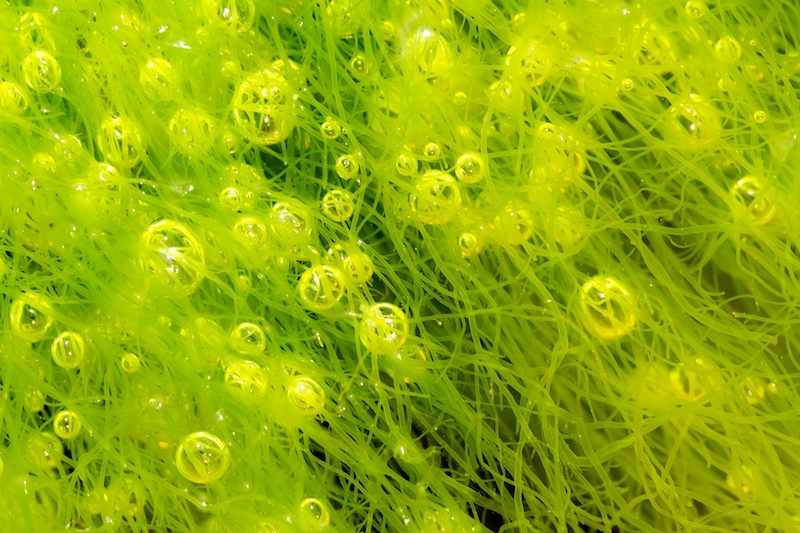
Light is the primary energy source for algae growth - control exposure to prevent outbreaks
Light provides the energy algae needs for photosynthesis. Excessive light duration or intensity is the primary cause of most algae outbreaks.
Light Management Guidelines
- Non-planted tanks: 6-10 hours of light daily maximum
- Planted tanks: 10-14 hours daily depending on plant requirements
- Use a timer for consistent light schedules — even a basic outlet timer works well
- Replace bulbs annually as they shift spectrum and promote algae
- Position tank away from windows to avoid direct sunlight
- Consider a midday blackout period to disrupt algae growth cycles
Excess Nutrients
Algae feeds on the same nutrients your plants need: nitrogen, phosphorus, and trace elements. Excess nutrients come from:
- Overfeeding - Uneaten food decomposes and releases nutrients
- Fish waste - More fish means more ammonia and nitrates
- Decaying plant matter - Dead leaves release nutrients as they break down
- Tap water - May contain phosphates and nitrates depending on your source
Poor Water Circulation
Stagnant areas in the tank allow nutrients to concentrate and provide ideal conditions for algae establishment. Good circulation distributes nutrients to plants before algae can capitalize.
Water Temperature
Warmer water accelerates algae growth. Aquariums kept above 78°F (26°C) experience faster algae proliferation than cooler tanks. While you can’t always lower temperature without affecting fish, be aware that tanks near heat sources or in warm rooms may need more vigilant algae management.
pH Imbalances
Unstable or extreme pH levels can encourage certain algae types while stressing plants and fish. Maintain consistent pH appropriate for your fish species and test regularly. Sudden pH swings often coincide with algae outbreaks.
Imbalanced CO2 (Planted Tanks)
In planted aquariums, inconsistent CO2 levels favor algae over plants. When plants struggle due to insufficient CO2, algae takes advantage of the available light and nutrients.
Algae Prevention Strategies
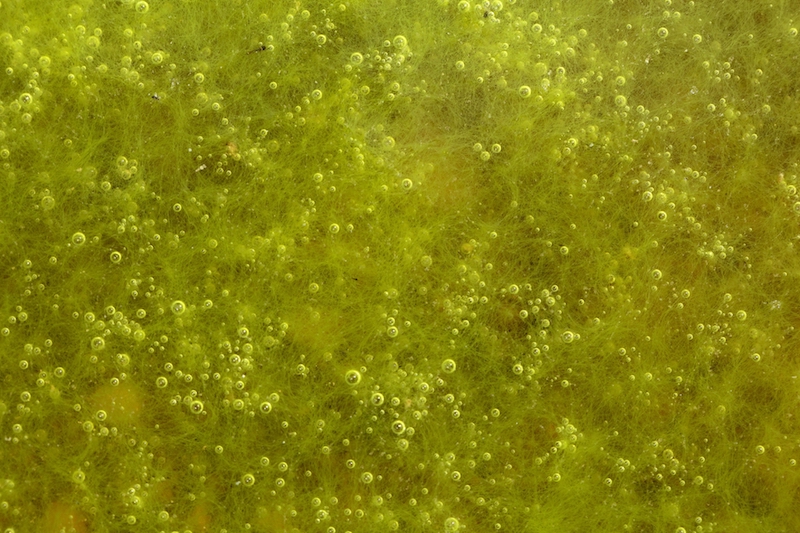
A well-maintained planted tank naturally resists algae outbreaks
Prevention is far easier than treatment. Implementing these practices keeps algae in check before it becomes problematic.
Use Algae-Eating Species
Many fish, snails, and shrimp naturally consume algae as part of their diet. See our complete guide to the best algae eaters for detailed species profiles.
Popular Algae Eaters
- Otocinclus catfish - Excellent for soft algae on glass and plants
- Siamese algae eaters - One of few species that eat black beard algae
- Nerite snails - Consume algae without reproducing in freshwater
- Amano shrimp - Voracious algae consumers for planted tanks
- Bristlenose plecos - Hardy algae eaters suitable for larger tanks
- Mystery snails - Good general algae cleaners
Stocking Advice
Research compatibility before adding algae eaters. Some species grow large or have specific requirements. Don’t overstock your tank just for algae control - this creates more waste and feeds more algae.
Control Feeding
Overfeeding is the most common mistake among fishkeepers and a major contributor to algae problems. Fish need far less food than most people assume.
- Feed only what fish consume within 2-3 minutes
- Remove uneaten food with a net or siphon
- Fast fish one day per week (healthy for most species)
- Use high-quality foods that produce less waste
Maintain Proper Filtration
A properly sized filter with biological, mechanical, and chemical media maintains water quality and reduces the nutrients algae needs.
- Clean filter media in old tank water (not tap water) to preserve beneficial bacteria
- Replace filter cartridges according to manufacturer recommendations
- Ensure adequate flow rate for your tank size
- Use quality water conditioner like Seachem Prime when performing water changes
Increase Oxygenation
Well-oxygenated water supports beneficial bacteria that compete with algae for nutrients. Adding an air pump with airstones improves oxygen levels and surface agitation, which also helps off-gas excess CO2 that some algae types thrive on.
Regular Water Changes
Consistent partial water changes remove accumulated nutrients before they fuel algae growth. Change 20% of water every 1-2 weeks for most tanks, using treated tap water or RO water.
Algae Removal Methods
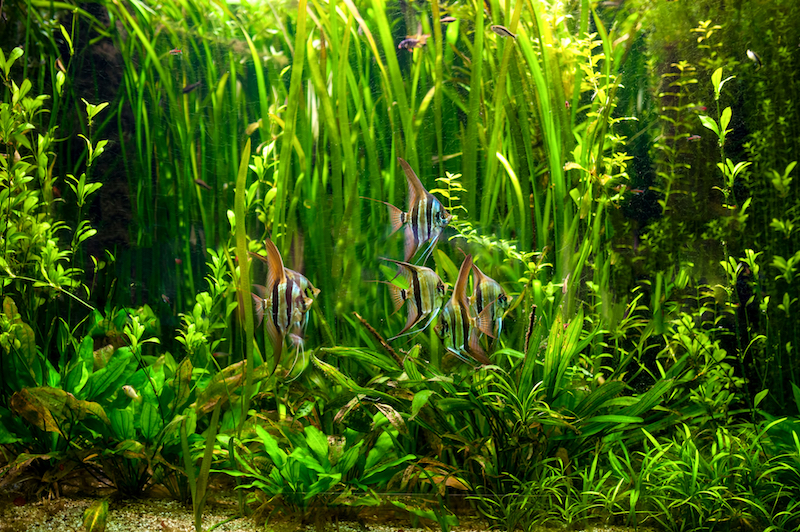
Manual removal is the most direct approach to eliminating visible algae
When prevention isn’t enough, these methods remove existing algae.
Manual Removal
The most direct approach - physically removing algae from surfaces. For tools, a Mag Float magnetic cleaner works great for glass, and a gravel siphon handles substrate cleaning.
Manual Algae Cleaning
Gather supplies
You'll need an algae scraper or magnetic cleaner for glass, a soft brush for decorations, and a siphon for substrate vacuuming.
Scrape the glass
Use plastic scrapers for acrylic tanks, metal razors for glass. Work from top to bottom so debris falls to the substrate.
Clean decorations
Remove heavily affected items and scrub with a brush under running water. For stubborn algae, soak in 10% bleach solution for 15 minutes, then rinse thoroughly and dechlorinate.
Trim affected plants
Cut away leaves with heavy algae coverage. Healthy portions will regrow faster than algae can recolonize treated leaves.
Vacuum substrate
Use a gravel vacuum to remove algae debris and detritus that settled during cleaning.
Perform water change
Change 25-30% of water to remove suspended algae and nutrients stirred up during cleaning.
Blackout Treatment
Complete darkness for 3-7 days can eliminate green water and reduce other algae types. Plants survive short blackouts better than algae.
Blackout Procedure
- Perform a 50% water change before starting
- Cover the tank completely with blankets or cardboard
- Turn off all lights - no peeking for 3-7 days
- Reduce feeding to every other day during blackout
- Perform another water change immediately after
- Resume normal lighting with reduced hours (6-8 daily)
UV Sterilizers
UV sterilizers pass water through a chamber with ultraviolet light that kills suspended algae, bacteria, and parasites. Highly effective for green water and preventing outbreaks. The Green Killing Machine is a popular internal option for tanks up to 50 gallons, while the Aqua UV Sterilizer offers more power for larger systems. UV sterilizers don’t harm fish or affect attached algae on surfaces.
Chemical Algaecides
Algaecides should be a last resort. While effective at killing algae, they also affect plants and can harm invertebrates. Dead algae releases nutrients back into the water, potentially causing worse problems if not removed through water changes.
Algaecide Caution
Always follow dosing instructions carefully. Remove carbon filtration during treatment as it absorbs the active ingredients. Monitor fish for stress and perform water changes if they show distress.
Long-Term Algae Management
Consistent practices prevent recurring outbreaks:
- Maintain stable lighting schedules with timers
- Feed conservatively and remove uneaten food
- Perform regular water changes on a consistent schedule
- Keep live plants healthy - they outcompete algae for nutrients
- Clean filter media regularly without destroying beneficial bacteria
- Test water parameters monthly to catch nutrient buildups early
Success Mindset
Some algae is inevitable and even beneficial. A thin layer of algae on back glass provides grazing surfaces for fish and snails. Focus on preventing explosive growth rather than achieving a sterile environment.
Conclusion
Algae control requires understanding what drives growth and addressing root causes rather than just treating symptoms. By managing light duration, controlling nutrient levels through proper feeding and filtration, and maintaining consistent maintenance schedules, you can keep algae at manageable levels. When outbreaks occur, combine manual removal with environmental corrections to prevent recurrence. With patience and persistence, algae becomes a minor maintenance task rather than a constant battle.
Why does my fish tank keep getting algae?
Algae growth results from excess light, nutrients, or both. Common causes include leaving lights on too long (over 10 hours daily), overfeeding fish, inadequate filtration, and direct sunlight hitting the tank. Reducing light duration and feeding amounts typically controls most algae problems.
Is algae harmful to fish?
Small amounts of algae are natural and not harmful to fish. Some algae actually benefit the aquarium by consuming nitrates and providing grazing opportunities. However, severe algae blooms like green water can deplete oxygen levels at night and create unsafe conditions. Blue-green algae (cyanobacteria) can produce toxins harmful to fish.
How often should I clean algae from my tank?
Clean visible algae from the glass weekly during water changes. Scrub decorations monthly or as needed. Rather than constant cleaning, focus on addressing the root cause through proper lighting schedules, feeding amounts, and filtration to reduce algae growth naturally.
Will algae go away on its own?
Some algae, particularly brown diatom algae in new tanks, will disappear on its own as the aquarium matures and silicates are depleted. However, most established algae requires intervention through reduced lighting, nutrient control, or manual removal. Ignoring persistent algae usually leads to worsening conditions.
Related Topics
Found this helpful?
Share this guide with your fellow aquarium enthusiasts!

Written by
FTW Team
The FishTankWorld editorial team brings together experienced aquarists to help you succeed in the hobby.