
Cleaning an aquarium after a disease outbreak requires water changes, filter servicing, and residual medication removal — not replacing gravel, buying new filters, or starting from scratch. Most freshwater aquarium pathogens, including Ichthyophthirius multifiliis (Ich), Columnaris bacteria, and Saprolegnia fungus, cannot survive long without a fish host. Post-treatment recovery focuses on restoring water quality and eliminating the stress conditions that triggered the outbreak.
Key Takeaway
Drastic measures like replacing equipment are unnecessary after typical aquarium disease outbreaks. Water quality management and stress reduction prevent future illness far more effectively than tearing down and restarting a tank.
Why Aquarium Fish Get Sick: The Disease Triangle
Aquarium disease requires three factors working simultaneously — remove any one, and disease cannot take hold. Fish pathologists call this the disease triangle:
- The Host — Fish with a weakened immune system
- The Pathogen — Parasites, bacteria, fungus, or viruses already present in the aquarium environment
- The Stress Factor — Ammonia exposure, temperature fluctuations, overcrowding, or poor nutrition
Many pathogenic bacteria exist in every healthy aquarium at low populations without causing disease. Fungal organisms like Saprolegnia are naturally present in most freshwater environments and only colonize fish whose immune defenses are already compromised. Even Ichthyophthirius multifiliis — the parasite responsible for Ich (white spot disease) — requires a stressed, immunocompromised host to establish infection in a well-maintained tank.
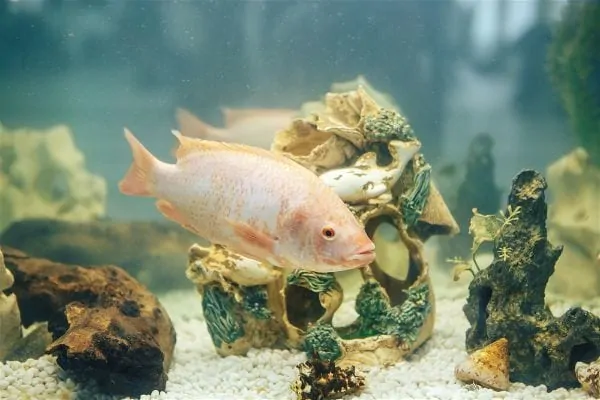
Healthy fish in a well-maintained aquarium resist disease even when pathogens are present in the water
How Stress Triggers Disease in Aquarium Fish
Stress is the primary catalyst for disease outbreaks in freshwater aquariums. Chronic stress suppresses fish immune function, allowing opportunistic pathogens that normally coexist harmlessly to multiply beyond what the immune system can control. Common aquarium stressors include:
- Ammonia or nitrite exposure — levels as low as 0.25 ppm ammonia damage gill tissue and suppress immune response
- High nitrate accumulation — nitrate levels above 40 ppm cause chronic stress in most freshwater species
- Temperature instability — fluctuations greater than 2°F (1°C) per hour stress tropical fish
- Inadequate filtration — undersized filters allow organic waste to accumulate and degrade water quality
- Overcrowding — excess fish increases waste production, territorial aggression, and competition for oxygen. Understanding proper stocking levels prevents this common trigger
- Aggressive or incompatible tankmates — persistent chasing or fin-nipping creates chronic cortisol elevation
Stress as the root cause of most aquarium disease explains why post-treatment recovery must focus on correcting environmental conditions rather than sterilizing the tank. Fish that recover from Ich in the same poor water conditions will get sick again.
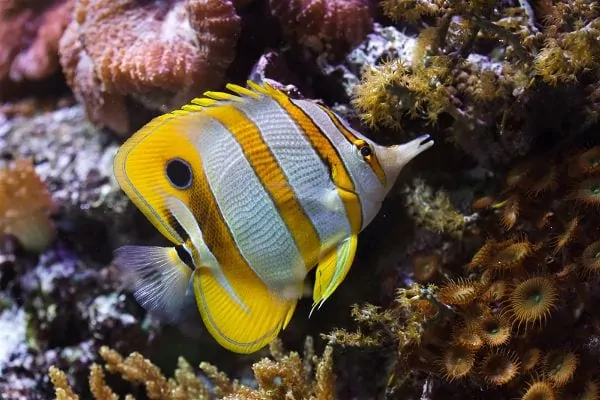
Stable water parameters and appropriate stocking levels are the most effective defense against aquarium disease
How Aquarium Fish Medications Work
Aquarium fish medications do not cure disease the way antibiotics cure human infections. Most aquarium medications work by suppressing or killing the pathogen just enough for the fish’s own immune system to finish the recovery. Copper-based medications like copper sulfate kill Ichthyophthirius multifiliis parasites at doses that are tolerable (but still stressful) for fish. Antibiotics like erythromycin and kanamycin reduce bacterial populations to levels the fish immune system can control independently.
Maintaining excellent water quality during and after medication treatment is critical for this reason — medication alone cannot save fish whose immune systems are simultaneously overwhelmed by stress from poor water conditions.
Post-Treatment Aquarium Recovery: Step by Step
Aquarium Recovery After Disease Treatment
Perform a Large Water Change (50-75%)
Remove 50-75% of the aquarium water immediately after the medication course ends. Treat all replacement water with a dechlorinator such as Seachem Prime or API Tap Water Conditioner before adding it to the tank. Match the replacement water temperature within 2°F (1°C) of the tank water. Use a gravel vacuum to siphon debris from the substrate while draining — post-treatment tanks typically accumulate excess organic waste from reduced maintenance during the medication period.
Install Fresh Activated Carbon in the Filter
Add new activated carbon to the aquarium filter immediately after the water change. Fresh activated carbon adsorbs dissolved medications including copper-based treatments, methylene blue, malachite green, and most antibiotics. Discard any activated carbon that was in the filter during treatment — spent carbon has no remaining adsorption capacity. Run fresh activated carbon for at least 48-72 hours before performing any additional filter maintenance.
Service the Mechanical Filter Media
Rinse or replace mechanical filtration media — filter floss, foam pads, and cartridges — which trap debris and absorb medication residue during treatment. Clean the filter housing with warm water. For stubborn buildup on filter housings, dish soap is safe as long as every surface is rinsed thoroughly afterward. Never use soap or tap water on biological filter media.
Rinse Biological Filter Media in Tank Water
Gently rinse biological media (ceramic rings, bio-balls, sintered glass) in a bucket of water removed from the aquarium during the water change. Rinsing in removed tank water preserves the beneficial Nitrosomonas and Nitrobacter bacteria that convert toxic ammonia to nitrite and nitrite to less-harmful nitrate. Never rinse biomedia under tap water — chlorine and chloramine in municipal water supplies kill nitrifying bacteria on contact.
Test Water Parameters
Test ammonia, nitrite, nitrate, and pH within 24 hours of completing the water change. Target readings for a recovered freshwater aquarium: ammonia 0 ppm, nitrite 0 ppm, nitrate below 20 ppm, and pH stable within the appropriate range for your fish species. Retest every 2-3 days for two weeks to catch parameter shifts early.
Monitor Fish Behavior for Two Weeks
Observe surviving fish closely for signs of recurring disease or secondary infection during the two-week monitoring period. Healthy recovering fish resume normal activity levels, eat readily at feeding time, and display natural coloration. Warning signs that require immediate attention include clamped fins, flashing (rubbing against surfaces), loss of appetite, labored gill movement, or the reappearance of white spots, fuzzy patches, or reddened tissue.
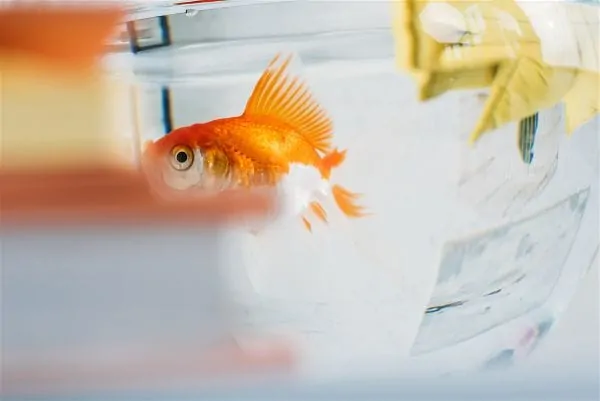
Clear eyes, vibrant coloration, and active swimming behavior indicate successful recovery from disease
Disease-Specific Cleaning Protocols
Different aquarium diseases leave behind different pathogens with varying survival times outside a fish host. Tailoring the post-treatment cleanup to the specific disease improves recovery outcomes.
After Ich (White Spot Disease) Treatment
Ichthyophthirius multifiliis parasites have a temperature-dependent life cycle. Free-swimming Ich theronts die within 48 hours at 76-80°F (24-27°C) if they cannot attach to a fish host. Post-treatment cleanup after Ich focuses on removing the medication (usually copper sulfate, malachite green, or a combination) and vacuuming the substrate to remove encysted tomonts that may have settled into the gravel.
Raising the aquarium temperature to 82-86°F (28-30°C) during the final days of treatment accelerates the Ich life cycle and ensures all parasites reach the vulnerable free-swimming stage when medication is still present. A reliable, adjustable aquarium heater is essential for precise temperature control during Ich treatment.
After Fin Rot Treatment
Fin rot is caused by opportunistic bacteria — most commonly Aeromonas, Pseudomonas, or Flavobacterium columnare — that are naturally present in all aquarium water. Antibiotics like erythromycin or kanamycin suppress bacterial populations during treatment, but these bacteria will always exist at low levels in any aquarium. Post-treatment cleanup after fin rot focuses entirely on correcting the water quality problems that allowed the bacteria to overwhelm the fish’s immune defenses.
Perform large water changes to reduce dissolved organic waste, vacuum the substrate thoroughly, and test water parameters weekly to ensure ammonia and nitrite remain at 0 ppm. Aquarium salt at a dose of 1 tablespoon per 5 gallons supports gill function and osmoregulation during fin regrowth.
After Fungal Infection Treatment
Freshwater fungal infections — primarily Saprolegnia and Achyla species — appear as white or gray cotton-like growths on fish skin, fins, or eggs. Antifungal medications like methylene blue or malachite green treat active infections. Fungal spores are naturally present in most freshwater environments and cannot be eliminated through cleaning.
Post-treatment cleanup after fungal infections centers on removing organic debris that serves as a growth medium for fungal colonies. Vacuum the substrate, remove any uneaten food or decaying plant material, and ensure the aquarium filter provides adequate mechanical filtration to keep the water free of suspended organic particles.
After Velvet Disease Treatment
Velvet disease (Oodinium pilularis in freshwater) produces a fine gold or rust-colored dust on fish skin. Copper-based medications are the standard treatment for velvet. Oodinium parasites are sensitive to light during their free-swimming stage.
Post-treatment cleanup after velvet requires thorough removal of copper medication through activated carbon filtration and large water changes. Copper is toxic to invertebrates and can accumulate in substrate — test copper levels with a copper test kit if the aquarium houses shrimp or snails. Keeping aquarium lights off for 3-5 days after treatment reduces the viability of any remaining free-swimming Oodinium dinospores.
Water Parameter Targets After Disease Treatment
Regular water testing catches declining water quality before it triggers another outbreak. These target parameters apply to most freshwater tropical fish during post-treatment recovery:
| Parameter | Target Value | Danger Level |
|---|---|---|
| Ammonia (NH₃) | 0 ppm | Above 0.25 ppm |
| Nitrite (NO₂⁻) | 0 ppm | Above 0.25 ppm |
| Nitrate (NO₃⁻) | Below 20 ppm | Above 40 ppm |
| pH | Species-appropriate, stable | Swings greater than 0.5 in 24 hours |
| Temperature | Species-appropriate ±1°F | Fluctuations exceeding 2°F per hour |
Post-Treatment Testing Schedule
Test aquarium water parameters every 2-3 days for two weeks after treatment ends. Large water changes and filter servicing can temporarily disrupt the nitrogen cycle, particularly in tanks under 20 gallons. The API Freshwater Master Test Kit provides accurate liquid-based results for ammonia, nitrite, nitrate, and pH. Test strips offer a convenient alternative for quick daily monitoring between full liquid tests.
Filter Recovery and Maintenance After Medication
Aquarium filters require targeted maintenance after disease treatment. Medications — particularly copper-based anti-parasitic treatments and antibiotic courses — can reduce filtration efficiency by affecting beneficial bacteria or leaving chemical residue in filter media.
- Replace activated carbon immediately after treatment ends — fresh carbon adsorbs dissolved medication from the water column
- Discard used mechanical media (filter floss, cartridges) that absorbed medication during the treatment period
- Rinse biological media only in dechlorinated water or water removed from the aquarium during a water change
- Clean filter housing and impeller assembly with warm water to remove medication buildup and debris
- Inspect the impeller and intake tube for organic debris that accumulated during reduced maintenance
- Resume normal filter maintenance schedule after recovery: mechanical media every 2-4 weeks, biological media every 2-3 months
Beneficial nitrifying bacteria primarily colonize high-flow surfaces — biological filter media, substrate, and decorations. Nitrifying bacteria colonies are remarkably resilient and survive most standard aquarium medications at recommended doses. Replacing biological filter media after disease treatment causes more harm than the medication itself by destroying established bacterial colonies and triggering a dangerous ammonia spike similar to new tank syndrome.
How Long Aquarium Pathogens Survive Without Fish
Understanding pathogen survival timelines helps determine whether the aquarium is safe to restock after a disease outbreak. Most common freshwater aquarium pathogens cannot survive indefinitely without a fish host:
| Pathogen | Survival Without Fish Host | Notes |
|---|---|---|
| Ichthyophthirius multifiliis (Ich) | 48 hours at 76-80°F (free-swimming theronts) | Encysted tomonts in substrate may survive 3-4 weeks at lower temperatures |
| Oodinium pilularis (Velvet) | 24-48 hours (free-swimming dinospores) | Light-sensitive; darkness accelerates die-off |
| Columnaris bacteria | Present indefinitely at low levels | Opportunistic; causes disease only in stressed fish |
| Saprolegnia fungus | Spores persist indefinitely in water | Opportunistic; colonizes only injured or immunocompromised tissue |
| Aeromonas/Pseudomonas bacteria | Present indefinitely at low levels | Normal aquarium microbiome residents; cause fin rot in stressed fish |
The Fishless Period
Running an aquarium without fish for 7-10 days at 82-86°F (28-30°C) eliminates obligate parasites like Ich and velvet without any chemical treatment. Opportunistic bacteria and fungi cannot be eliminated this way because they are permanent residents of the aquarium microbiome — but they only cause disease when fish are stressed. This fishless period approach is most useful when restocking an aquarium after total fish loss from parasitic disease.
Cleaning Decorations, Plants, and Equipment After Disease
Aquarium decorations, artificial plants, and equipment can harbor pathogens on their surfaces. Cleaning these items during post-treatment recovery reduces the pathogen load in the aquarium.
Artificial Decorations and Plastic Plants
Soak artificial decorations and plastic plants in a dilute bleach solution (1 part unscented household bleach to 19 parts water) for 15-20 minutes. Scrub all surfaces with a dedicated aquarium brush. Rinse at least three times with clean water and allow items to air dry completely before returning them to the aquarium. Residual chlorine from bleach evaporates during air drying.
Live Aquarium Plants
Live aquarium plants cannot tolerate bleach. Instead, rinse live plants in room-temperature dechlorinated water to remove visible debris and mucus. For plants exposed to parasitic infections, a brief dip (2-3 minutes) in a solution of 1 tablespoon of aquarium salt per gallon of water kills free-swimming parasites without harming most hardy plant species. Salt-sensitive plants like mosses and val should be rinsed in clean dechlorinated water only.
Nets, Siphons, and Shared Equipment
Aquarium diseases spread readily between tanks through shared nets, siphons, gravel vacuums, scrapers, and buckets. Ichthyophthirius multifiliis parasites, Columnaris bacteria, and fungal spores survive on wet equipment surfaces long enough to transfer between aquariums. Dedicate separate equipment to each tank, or disinfect shared tools by soaking in dilute bleach solution for 15 minutes, rinsing thoroughly, and allowing to dry completely between uses.
Alternative Disinfection Methods
Bleach is effective but not the only option for disinfecting aquarium equipment after disease outbreaks. Several alternatives work well for aquarists who prefer to avoid chlorine-based cleaners.
Hydrogen Peroxide (3% Solution)
Hydrogen peroxide at the standard drugstore concentration of 3% kills bacteria, fungi, and parasites on contact. Soak equipment in undiluted 3% hydrogen peroxide for 15-30 minutes. Hydrogen peroxide breaks down into water and oxygen within 24 hours, leaving no harmful residue — making hydrogen peroxide a particularly safe choice for cleaning items that are difficult to rinse thoroughly (gravel, porous decorations).
White Vinegar
White vinegar at full strength or diluted 1:1 with water kills many bacteria and removes mineral deposits from aquarium surfaces. White vinegar is less effective than bleach or hydrogen peroxide against parasites but works well as a general disinfectant for filter housings, glass surfaces, and heater probes. Rinse all vinegar-cleaned items thoroughly — vinegar residue lowers aquarium pH.
Hot Water
Water heated above 150°F (65°C) kills Ich parasites, most bacteria, and fungal spores. Soak non-plastic equipment items in hot water for 30 minutes. Hot water disinfection avoids all chemical residue concerns but cannot be used on plastic decorations (which may warp) or silicone-sealed tanks.
When Complete Aquarium Disinfection Is Necessary
Complete tank teardown and disinfection is rarely needed after aquarium disease outbreaks. Reserve full disinfection for severe situations where:
- All fish have died and decomposed for more than 24-48 hours
- Visible flesh particles or tissue fragments float in the water column
- An oily film from decomposing fish coats the water surface
- Ammonia levels exceed 8 ppm from organic decay
- The tank has been sitting unattended with dead fish for days or longer
Complete Aquarium Disinfection Procedure
Drain the Aquarium Completely
Remove all water and dispose of it. Remove all decorations, artificial plants, live plants, substrate, and equipment from the tank.
Clean Gravel or Substrate
Wash gravel in small batches in a bucket, stirring and rinsing until the rinse water runs clear. For heavily contaminated substrate, replacement is more practical than repeated washing. Sand substrates are particularly difficult to decontaminate and should be replaced if decomposition occurred.
Disinfect the Tank and Equipment
Prepare a solution of 1 part unscented household bleach to 19 parts water. Soak decorations, filter components (excluding biomedia, which should be discarded), heater, thermometer, and scrub the empty tank interior for 15-20 minutes. Alternatively, use undiluted 3% hydrogen peroxide for a chemical-free option.
Rinse and Air Dry Everything
After disinfection, rinse every item at least three times with clean water. Allow all equipment to air dry completely — residual chlorine from bleach evaporates during drying. Add extra dechlorinator to the tank during the first refill as an additional safety precaution.
Cycle the Aquarium Before Adding Fish
A fully disinfected aquarium has no beneficial bacteria and must be cycled from scratch before adding fish. The nitrogen cycle takes 4-6 weeks to establish through fishless cycling with ammonia dosing. Bacterial starter products like Fritz TurboStart or Seachem Stability can accelerate the cycling process.
After a complete disinfection, the aquarium must go through the full nitrogen cycle before any fish are added. Our cycling guide covers fishless cycling methods, bacterial starter products, and how to confirm the cycle is complete.
Signs Your Aquarium Has Fully Recovered
Monitoring specific indicators confirms that the aquarium environment has stabilized after disease treatment. An aquarium is ready for normal maintenance and potential restocking when all of the following conditions are met:
- Ammonia reads 0 ppm on two consecutive tests taken 3-4 days apart
- Nitrite reads 0 ppm on two consecutive tests taken 3-4 days apart
- Nitrate is below 40 ppm and stable between water changes
- Surviving fish eat readily and display normal activity levels and coloration
- No visible disease symptoms (white spots, fuzzy growths, clamped fins, reddened areas) for at least 14 days
- Water clarity has returned to normal with no cloudiness or unusual odor
- Filter flow rate has returned to normal output
Wait a minimum of two weeks after all disease symptoms have disappeared before adding new fish. New additions to a recently recovered aquarium should be quarantined in a separate tank for 2-4 weeks before introduction to verify they are not carrying disease.
Preventing Future Disease Outbreaks
Disease prevention in freshwater aquariums centers on maintaining stable water conditions and reducing chronic stress — the same factors that triggered the original outbreak. Consistent adherence to these maintenance practices significantly reduces the likelihood of future disease:
- Perform weekly partial water changes of 20-25% using temperature-matched, dechlorinated water
- Vacuum the gravel surface during every water change to remove organic debris before it decays and produces ammonia
- Test water parameters weekly — ammonia and nitrite should always read 0 ppm in a properly cycled tank
- Avoid overstocking — use an online stocking calculator and plan for adult fish sizes, not juvenile sizes
- Quarantine all new fish for 2-4 weeks in a separate tank before adding to the main aquarium
- Feed appropriate amounts — remove uneaten food after 2-3 minutes to prevent decay and ammonia spikes
- Maintain stable temperature with a reliable aquarium heater and a separate thermometer for verification
- Use filtration rated for your tank size or larger — oversized filters provide a safety margin for water quality
- Never share nets, siphons, or other equipment between aquariums without disinfecting between uses
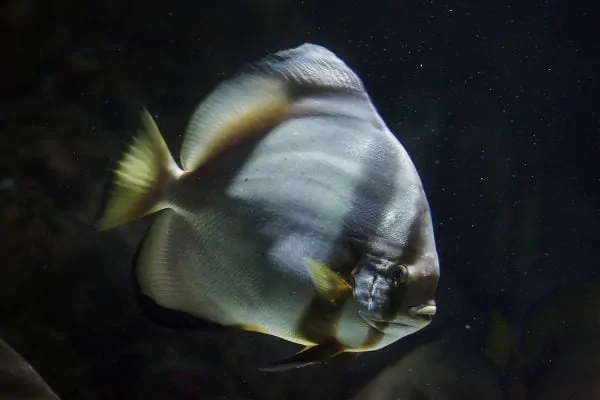
Consistent maintenance and stable water parameters keep tropical fish healthy and resistant to disease
A UV sterilizer provides an additional layer of disease prevention by killing free-swimming pathogens, parasites, and algae spores as water passes through the UV chamber. UV sterilizers are particularly valuable in aquariums that have experienced recurring disease outbreaks or in tanks with high fish populations.
Recovery Is Part of the Hobby
Even well-maintained aquariums occasionally experience disease outbreaks. Fish disease treatment and recovery is a normal part of freshwater fishkeeping, not a sign of failure. Following these post-treatment steps — water changes, filter servicing, water parameter testing, and stress reduction — restores aquarium health effectively. Focus on identifying and correcting the specific stress factor that triggered the outbreak to prevent recurrence.
Frequently Asked Questions
Do I need to replace my gravel after a disease outbreak?
Gravel replacement is unnecessary after typical disease outbreaks like Ich or fin rot. Most aquarium pathogens cannot survive without a fish host once medication treatment ends. Thorough gravel vacuuming during post-treatment water changes removes debris and residual medication without destroying the beneficial bacteria colonies living in the substrate.
When should I completely drain and disinfect my aquarium?
Complete aquarium disinfection is only necessary when all fish have died and significant decomposition has occurred — flesh particles floating in the water column, oily film on the surface, and ammonia readings above 8 ppm from decay. For standard disease recoveries where some or all fish survive treatment, large water changes and filter servicing are sufficient.
Can I use soap to clean my aquarium filter?
Soap is safe for cleaning filter housings and hard plastic components as long as every surface is rinsed thoroughly with clean water afterward. Soap residue breaks down quickly and won't poison fish when properly rinsed. Never use soap on biological filter media — rinse biomedia only in dechlorinated water or water removed from the aquarium during a water change.
How long after treatment should I wait before adding new fish?
Wait a minimum of two weeks after completing disease treatment before adding new fish. This waiting period allows residual medication to be removed through water changes and activated carbon filtration, gives surviving fish time to recover and regain normal behavior, and lets you confirm that the disease has not returned. Test ammonia, nitrite, and nitrate levels before adding any new fish to verify stable water quality.
Should I replace my biological filter media after treating a disease?
Do not replace biological filter media after disease treatment. Beneficial nitrifying bacteria (Nitrosomonas and Nitrobacter species) colonize biomedia over weeks to months, and replacing it causes dangerous ammonia and nitrite spikes. Rinse biological media gently in water removed from the aquarium during a water change. Most fish medications do not significantly harm established beneficial bacteria colonies.
Will activated carbon remove fish medication from the water?
Fresh activated carbon effectively adsorbs most common aquarium medications, including copper-based treatments, methylene blue, malachite green, and many antibiotics. Replace the activated carbon in your filter immediately after completing treatment to remove residual medication. Spent or old carbon that has been in the filter for more than 3-4 weeks has reduced adsorption capacity and should be discarded and replaced with new carbon.
How long does Ich survive in a tank without fish?
Ichthyophthirius multifiliis (Ich) parasites cannot complete their life cycle without a fish host. At typical tropical aquarium temperatures of 76-80°F (24-27°C), free-swimming Ich theronts die within 48 hours if they cannot find a host fish. Raising the water temperature to 86°F (30°C) in an empty tank accelerates Ich die-off. A fishless period of 7-10 days at elevated temperature eliminates Ich from the aquarium without any chemical treatment.
Can I use hydrogen peroxide to clean my aquarium after a disease?
Hydrogen peroxide (3% concentration) is a safe and effective alternative to bleach for disinfecting aquarium equipment after disease outbreaks. Hydrogen peroxide breaks down into water and oxygen within 24 hours, leaving no harmful residue. Soak decorations, filter housings, and tools in undiluted 3% hydrogen peroxide for 15-30 minutes, then rinse with clean water. Do not use hydrogen peroxide on porous biological filter media that you plan to reuse.
Can disease spread between aquariums through shared equipment?
Aquarium diseases spread easily between tanks through shared nets, siphons, gravel vacuums, scrapers, and buckets. Ich parasites, bacterial pathogens like Columnaris, and fungal spores can survive on wet surfaces long enough to transfer between tanks. Dedicate a separate set of equipment to each aquarium, or disinfect shared tools by soaking in a dilute bleach solution (1 part bleach to 19 parts water) for 15 minutes and rinsing thoroughly between uses.
For more on maintaining healthy water quality, see our complete guide to cleaning your fish tank and how to change aquarium filters without losing bacteria. Dealing with cloudy water after treatment? That guide covers bacterial blooms and resolution steps. Aquarium salt supports recovery from many freshwater diseases. For setup after a complete teardown, see how to cycle a freshwater aquarium. Avoid common fishkeeping mistakes that contribute to disease outbreaks, and watch for signs of overfeeding — a leading cause of poor water quality.
Related Topics
Found this helpful?
Share this guide with your fellow aquarium enthusiasts!
Written by
Jonathan Jenkins
I've been keeping fish for over 15 years — everything from planted freshwater tanks to saltwater reefs. I currently have a 30 gallon overstocked guppy breeding tank, 40 gallon planted self-cleaning aquarium, 200 gallon reef tank, and 55 gallon frag tank. I joined Fish Tank World to continue learning while sharing what I've learned along the way.