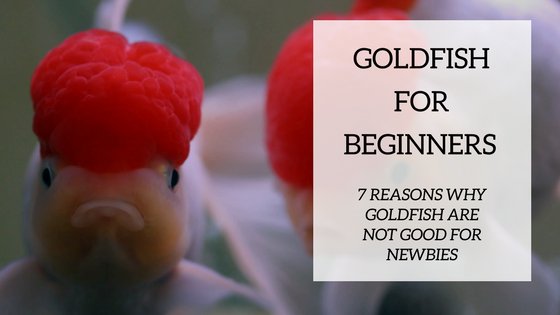
Goldfish require a minimum 20-gallon tank with robust filtration, weekly water changes, temperatures of 65-72°F, and a specialized diet — far more care than the “beginner fish” label suggests. With proper care, goldfish live 10-20 years. In bowls, most die within 1-3 years.
Goldfish (Carassius auratus) are the most commonly chosen first pet fish — and one of the most commonly mistreated. Cheap to buy and often given away as carnival prizes in plastic bags, goldfish are treated as disposable pets that belong in bowls. The reality is goldfish are complex coldwater fish that require significantly more space, filtration, and care than most people provide.
With proper care, goldfish can live 10-20 years or more. The oldest recorded goldfish, Tish, lived to 43 years according to Guinness World Records. But achieving this requires understanding what these fish actually need — and it’s far more than a glass bowl on a shelf.
The Bowl Myth
Goldfish bowls are one of the most harmful myths in fishkeeping. A bowl lacks the space, oxygen exchange, and filtration goldfish need to survive. Most goldfish kept in bowls suffer shortened lives of poor quality. This guide covers what goldfish actually require to thrive.
1. Goldfish Grow Much Bigger Than You Think
Goldfish sold in pet stores are juveniles, typically just an inch or two long. Given proper conditions, goldfish grow substantially larger than most new owners expect:
- Common goldfish: 12+ inches (some exceed 18 inches in ponds)
- Comet goldfish: 10-12 inches
- Fancy goldfish varieties (fantails, orandas, ryukins): 6-8 inches
Goldfish growth continues throughout their entire lifespan. A goldfish that stays small is almost certainly stunted from inadequate housing — the body stops growing, but internal organs continue developing, causing chronic health problems and a shortened life. Understanding why tank size matters is critical before bringing goldfish home.
Minimum Tank Sizes for Goldfish
Common goldfish, comet goldfish, and shubunkins often do better in outdoor ponds than indoor aquariums due to their ultimate size. For those keeping common goldfish indoors, plan for a tank at least 3-4 feet long to accommodate their adult length. For more on setting up an appropriate habitat, see our goldfish aquarium setup guide.
2. Goldfish Need More Oxygen Than Other Fish
Goldfish have higher oxygen demands than many aquarium fish due to their size and metabolic rate. The general guideline: for every inch of goldfish body length, provide at least 30 square inches of water surface area for adequate gas exchange.
This oxygen requirement is another reason bowls fail goldfish — the narrow opening restricts surface area and limits gas exchange. Goldfish in oxygen-poor water gasp at the surface, a visible sign of distress.
Ensuring Adequate Oxygen for Goldfish
- Choose tanks with large surface areas — wide and long, not tall and narrow
- Use air stones or air pumps to increase water movement and oxygenation
- Ensure filter output creates surface agitation for gas exchange
- Avoid overstocking — each additional goldfish increases oxygen demand
- Live plants produce oxygen during light hours but consume it at night
Plants and Goldfish
Goldfish are notorious plant destroyers — they nibble leaves, uproot stems, and demolish most live plants within days. Hardy species like anubias and java fern survive better because goldfish find their tough leaves unpalatable. Floating plants like duckweed and pondweed can also work, though goldfish will eat duckweed as a supplemental food. Don’t rely solely on plants for oxygenation — mechanical aeration is essential for goldfish tanks.
3. Goldfish Are Messy Fish
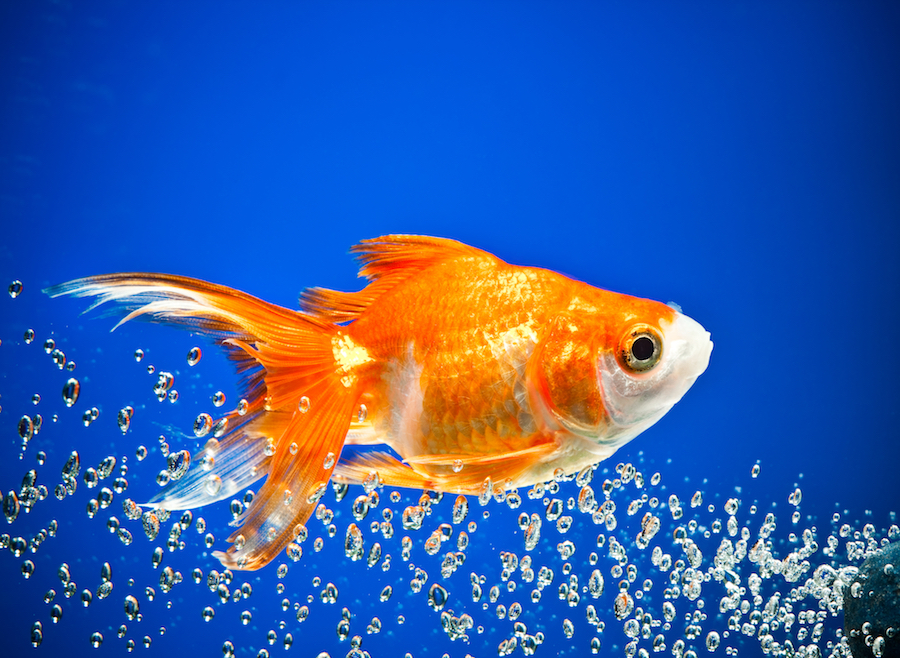
Goldfish produce significantly more waste than most other aquarium fish of similar size
Goldfish produce significantly more waste than similarly-sized tropical fish. This high bioload means ammonia and nitrite accumulate quickly in the water, making robust filtration and a consistent tank cleaning routine essential rather than optional.
Filtration Requirements for Goldfish
Goldfish filtration should turn over the total tank volume at least 6 times per hour. For a 40-gallon goldfish tank, that means a filter rated for at least 240 gallons per hour. Common filter types for goldfish include internal filters for smaller setups, external canister filters for larger tanks, and undergravel filters that use the substrate as biological media. Many experienced goldfish keepers use oversized canister filters or run multiple filters simultaneously to handle the heavy waste load.
Water Change Schedule
Goldfish tanks require weekly water changes of 25-30% to keep ammonia and nitrate levels safe. Always treat replacement water with a dechlorinator before adding it to the tank, and match the temperature to avoid shocking the fish. For a step-by-step process, see our guide on how to clean a fish tank.
Goldfish Tank Maintenance Schedule
- Test water parameters weekly — ammonia, nitrite, and nitrate levels
- Perform 25-30% water changes every week
- Clean filter media monthly in old tank water (never tap water, which kills beneficial bacteria)
- Vacuum substrate during water changes to remove waste
- Remove uneaten food within 5 minutes of feeding
4. Goldfish Are Coldwater Fish
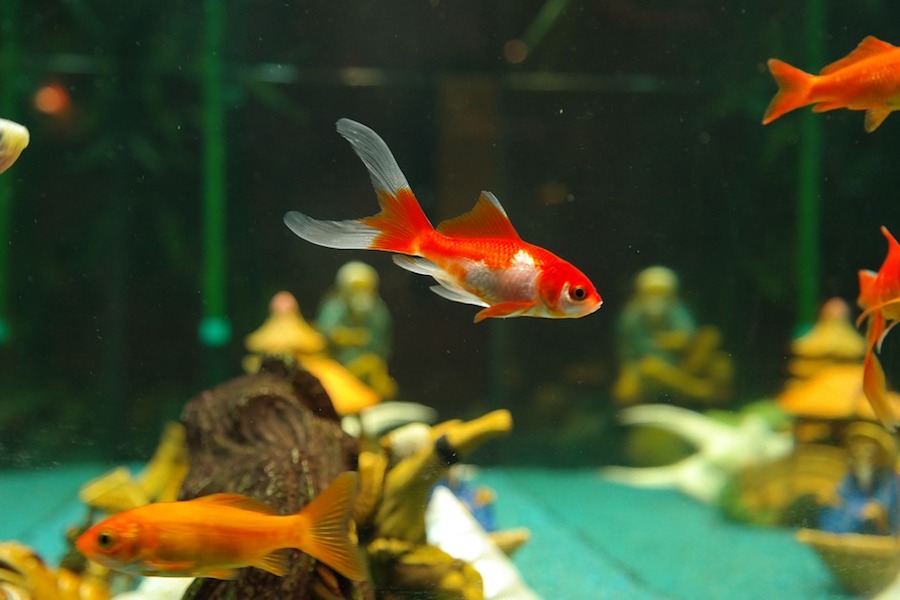
Goldfish thrive in cooler water temperatures between 65-72°F (18-22°C)
Goldfish are coldwater fish that prefer temperatures around 65-72°F (18-22°C) — roughly room temperature in most homes. Goldfish do not need a heater, but they cannot tolerate sustained temperatures above 77°F (25°C). Keep goldfish tanks away from direct sunlight and heat sources that could raise water temperature.
This temperature preference creates a fundamental incompatibility: goldfish cannot be kept with tropical fish.
Why Goldfish Don't Mix with Tropical Fish
- Temperature requirements don't overlap — goldfish need 65-72°F while tropicals need 75-80°F
- Goldfish eat quickly and aggressively, outcompeting slower tropical species for food
- Goldfish waste production overwhelms tanks sized for tropical fish
- Some goldfish nip the fins of long-finned tropical species
- Disease risks and treatments differ between coldwater and tropical species
Goldfish do best with other goldfish. However, common goldfish and fancy goldfish varieties should be housed separately — commons are faster swimmers and will outcompete fancies for food. For a deeper comparison of coldwater species, see our guide on koi vs goldfish.
5. Goldfish Are Social Fish
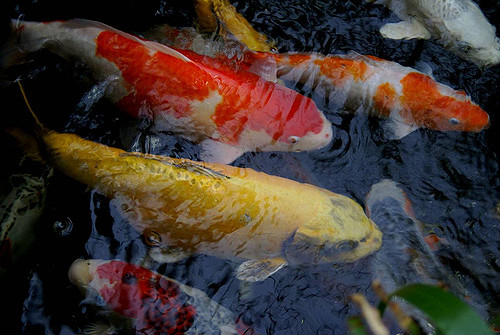
Goldfish are social fish that display more natural behavior when kept with companions
Goldfish are social animals that naturally live in groups. A lone goldfish often becomes lethargic, hides frequently, and may refuse food. Goldfish kept with companions of their own kind display more active swimming patterns, better appetite, and more natural foraging behavior.
However, goldfish social needs compound their space requirements. Two fancy goldfish need at least 30 gallons; two common goldfish need 60+ gallons. Every care requirement — filtration, oxygen, water changes — scales up with each additional fish.
Mixing Goldfish Types
Common goldfish, comet goldfish, and shubunkins are fast, streamlined swimmers. Fancy goldfish varieties — orandas, fantails, ryukins, and black moors — are slower and more delicate. Keep these groups in separate tanks. Common goldfish will outcompete fancy varieties for food and may injure their flowing fins or protruding eye sacs during feeding competition.
6. Goldfish Need a Specialized Diet
Goldfish are often described as the Labradors of the aquatic world — they will eat anything and everything, as much as you offer, without stopping. This enthusiastic appetite makes overfeeding the single most common goldfish care mistake.
Goldfish have different nutritional needs than tropical fish, requiring higher carbohydrates and fiber with moderate protein. Feeding tropical fish food long-term causes digestive problems, swim bladder disorders, and constipation in goldfish.
What to Feed Goldfish
Appropriate Goldfish Foods
- High-quality goldfish pellets or flakes as the staple diet
- Blanched vegetables — peas (squashed and deshelled), zucchini, lettuce, spinach
- Occasional protein treats — bloodworms, brine shrimp, daphnia
- Gel foods formulated specifically for goldfish digestive systems
- Small amounts of cooked rice as an occasional supplement
How Much to Feed Goldfish
Goldfish should receive only what they can consume in 2-3 minutes, once or twice daily. Remove any uneaten food after a few minutes — leftover food decomposes and spikes ammonia levels. Overfeeding causes swim bladder problems, constipation, and contributes directly to poor water quality. For detailed feeding guidance, see our complete goldfish feeding guide.
7. Tank Setup Requirements for Goldfish
Indoor Tanks for Fancy Goldfish
- Minimum tank size: 20 gallons for one fancy goldfish, add 10 gallons per additional fish
- Tank dimensions: At least 2-3 feet long — prioritize length and surface area over height
- Filtration: Rated for 6x total tank volume per hour
- Substrate: Smooth, rounded gravel or bare bottom (goldfish dig constantly and may swallow small or sharp pieces)
- Decorations: Smooth edges only — fancy goldfish have delicate, flowing fins and some varieties like black moors have protruding eye sacs that snag on rough surfaces
- Temperature: 65-72°F — no heater needed in most homes
- Hiding places: Goldfish lack eyelids and cannot close their eyes, so they need sheltered areas to retreat from sudden light changes and rest
Indoor Tanks for Common Goldfish
- Minimum tank size: 40+ gallons for one common goldfish, ideally 75+ gallons — see our large aquarium guide for options
- Tank dimensions: At least 3-4 feet long to accommodate their 12+ inch adult size
- Filtration: Heavy-duty canister filters, often multiple units
- Substrate: Large, smooth river rocks or bare bottom
- Better long-term option: An outdoor pond (minimum 250 gallons)
The Pond Option
Common goldfish, comet goldfish, and shubunkins reach their full potential in outdoor ponds rather than indoor aquariums. A properly designed pond of 250+ gallons provides the space, natural oxygen exchange, and swimming room these large, active fish need. Pond goldfish often display brighter colors and more vigorous behavior than their tank-kept counterparts.
Why Goldfish Are Labeled “Beginner Fish”
The persistent “beginner fish” label exists because goldfish tolerate poor conditions longer than most species — they can survive (though not thrive) in environments that would kill more sensitive fish within days. This survival tolerance gets misinterpreted as evidence that goldfish are low-maintenance.
A goldfish in a bowl may survive for months or even a few years while slowly suffering from stunted growth, chronic oxygen deprivation, and ammonia poisoning. That prolonged survival isn’t a sign of goldfish hardiness — it reflects how slowly the damage accumulates before becoming fatal.
Goldfish Quick Facts
Conclusion
Goldfish can make wonderful, personality-rich pets that live for decades — but they are not the no-maintenance starter fish that marketing and pet stores suggest. Goldfish need adequate space (never a bowl), robust filtration for their heavy waste production, regular water changes, appropriate coldwater temperatures, a specialized diet, and ideally the companionship of other goldfish.
If you’re ready to commit to proper goldfish care, explore our complete goldfish guides or start with our goldfish aquarium setup guide for step-by-step instructions. If you want a truly low-maintenance first fish, consider a betta in a properly sized heated tank — bettas are actually easier to care for than goldfish when done right.
Can goldfish live in a bowl?
No, goldfish cannot thrive in bowls. Bowls lack adequate space, oxygen, and filtration. Goldfish in bowls typically suffer from stunted growth, ammonia poisoning, and shortened lifespans. A single fancy goldfish needs at least 20 gallons with proper filtration.
How big do goldfish actually get?
Common goldfish (Carassius auratus) can reach 12+ inches and fancy varieties typically grow to 6-8 inches. The small size you see in pet stores represents juveniles. With proper care, goldfish continue growing throughout their lives, which can span 10-20+ years.
Can goldfish live with tropical fish?
No, goldfish and tropical fish have incompatible needs. Goldfish prefer cooler water (65-72°F) while tropical fish need warmer temperatures (75-80°F). Goldfish also produce more waste, eat faster, and may outcompete or injure smaller tropical species.
Why do my goldfish keep dying?
Common causes include inadequate tank size, poor water quality from insufficient filtration, ammonia buildup from infrequent water changes, temperature extremes, and improper diet. Goldfish need much more space and filtration than most people provide.
How long do goldfish live with proper care?
Goldfish can live 10-20 years with proper care, and the oldest recorded goldfish lived to 43 years. Most goldfish die within 1-3 years due to inadequate housing — bowls, poor filtration, and overfeeding shorten their lifespan dramatically.
Related Topics
Found this helpful?
Share this guide with your fellow aquarium enthusiasts!
Written by
FTW Team
The FishTankWorld editorial team brings together experienced aquarists to help you succeed in the hobby.