
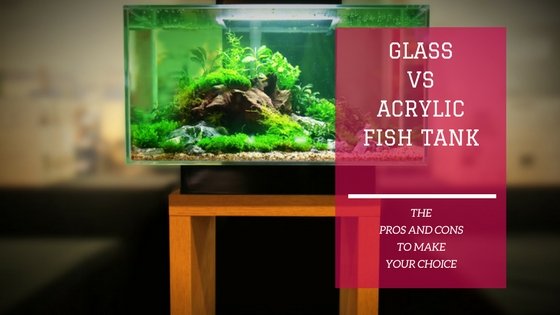
Glass fish tanks and acrylic fish tanks differ in weight, scratch resistance, optical clarity, cost, and customization options. Glass aquariums cost less and resist scratches better, while acrylic aquariums weigh roughly half as much and offer unlimited custom shapes. Once you’ve committed to a material and started your project, switching isn’t practical — so understanding these differences upfront saves time and money.
Quick Recommendation
For custom aquariums built to unique specifications, an acrylic tank offers the most fabrication flexibility. For standard home or office aquariums, modern rimless and bent glass designs provide excellent clarity and value.
A Brief History of Aquarium Materials
British naturalist Philip Henry Gosse coined the term “aquarium” in the 1800s, combining the Latin aqua (water) and arium (a place for relating to). Early aquariums were constructed with a slate bottom, with an open flame heating the slate to keep the water warm. Glass panels were sealed in place with waterproof putty.
All-glass aquarium construction emerged as silicone sealer replaced putty, bonding glass bottom and side panels together with plastic frames for structural support. Nearly all aquariums were built in rectangular or cube shapes, with hexagon tanks arriving later.
The Birth of Acrylic Aquariums
A thermoplastic known as “acrylic glass” — formally called Poly(methyl methacrylate) and sold under brand names like Plexiglas, Lucite, and Perspex — eventually found its way into aquarium construction. Acrylic should not be confused with polycarbonate, a similar clear plastic. Polycarbonate has high impact strength but contains harmful bisphenol-A (BPA) and is not suitable for aquarium use.
Early acrylic aquariums generated excitement because panels were bonded with a solvent that effectively welded the pieces together, leaving no visible silicone-sealed seams. Acrylic was also used to create the first bowfront aquariums, curving the front panel instead of the standard flat glass design.
Yellowing Myth Debunked
Claims that acrylic aquariums turn yellow over time stem from outdated formulations. High-quality acrylic used on WWII bomber canopies and bubble turrets remains clear after over 50 years of direct sun exposure. Modern acrylic with UV inhibitors maintains its clarity indefinitely.
Glass Fish Tanks
Glass remains the most popular material for standard aquariums due to its scratch resistance and optical clarity. From small desktop setups to large aquarium systems, glass tanks dominate the market at every size. A standard 55-gallon glass aquarium weighs approximately 78 pounds empty, and glass tanks generally cost 40–60% less than comparable acrylic models.
Glass Aquarium Advantages
- Excellent scratch resistance — withstands normal cleaning and maintenance without damage
- Superior optical clarity with minimal distortion, especially in low-iron varieties
- Available in standard, bent, and rimless designs
- Non-tempered glass can be drilled for custom plumbing and overflow boxes
- Lower cost than comparable acrylic tanks at every size
- Retains clarity indefinitely — no yellowing or degradation over time
Glass Aquarium Disadvantages
- Significantly heavier than acrylic — difficult to move when filled
- Manufacturing requires cutting and sealing multiple panels with silicone
- Silicone seams are visible at panel joints
- Higher shipping costs due to weight and fragility
- Limited to standard shapes without expensive custom fabrication
Modern Glass Technology
Bent glass aquariums start as flat glass sheets heated above 1,000°F until pliable, then shaped over curved molds. This process creates seamless curves and eliminates corner seams. Bent glass is stronger than flat glass, which means the panels can be thinner and lighter than traditional flat glass aquariums.
Low-iron glass (such as Starphire®) contains less than one-tenth the iron content of regular glass. Standard glass develops a noticeable green tint along the edges as thickness increases, which distorts the color and clarity of the aquarium. Low-iron glass eliminates this green cast and produces a distinct azure-blue edge instead. Premium planted tanks, reef aquariums, and public aquariums routinely use low-iron glass for maximum visibility and true color rendering.
Rimless glass aquariums eliminate the black or wood-grain plastic frame found on traditional tanks. The result is a clean, elegant appearance — rimless tanks truly look like a glass jewel. Many modern rimless aquariums combine low-iron glass with frameless construction for the ultimate viewing experience.
Tempered glass is stronger than regular glass and is sometimes used for aquarium bottom panels. However, tempered glass cannot be drilled — it will shatter if you attempt it. Always verify whether your tank uses tempered glass before drilling for custom plumbing.
Acrylic Fish Tanks
Acrylic aquariums offer unique advantages for custom builds and large installations where weight and impact resistance matter most. Acrylic weighs roughly 50% less than glass at equivalent dimensions, and acrylic is approximately 17 times more impact-resistant than glass — making it far less likely to crack from accidental bumps.
Acrylic Aquarium Advantages
- Significantly lighter than glass — easier to transport and position, especially on upper floors
- Impact-resistant — less likely to crack from bumps or drops
- Chemically bonded seams are nearly invisible compared to silicone joints
- Easy to cut, drill, and weld for custom configurations and plumbing
- Unlimited shape and size options for custom builds, including bowfront designs
- Lower shipping costs due to reduced weight and less fragility
- Scratches can be buffed out with polishing compounds — unlike permanent glass scratches
Acrylic Aquarium Disadvantages
- More expensive than comparable glass tanks at every size
- Susceptible to scratching from substrate, cleaning tools, and abrasive materials
- Requires special acrylic-safe cleaning pads and careful maintenance
- Slight optical distortion compared to high-quality low-iron glass
- Can warp if not properly supported along the entire base
Modern Acrylic Technology
Today’s acrylic formulations include UV inhibitors that prevent the cracking and brittleness associated with older acrylic products. Modern acrylic is used to make aquariums ranging from inexpensive, tiny pico desktop tanks to large custom-fabricated systems.
Nearly all low-cost desktop aquariums are made from acrylic because they are lightweight, easy to ship, and less fragile than glass. Custom aquarium manufacturers also favor acrylic because it is easy to cut, shape, and glue together — and the finished product is easier to carry into the room where it will be set up.
Acrylic Beyond the Main Tank
Acrylic is widely used for aquarium accessories and filtration equipment, not just the main display tank. Sumps, protein skimmers, and refugiums are commonly manufactured from acrylic because of its light weight and ease of fabrication. In-tank filters often use acrylic dividers and media trays that don’t add significant weight to the aquarium.
Cleaning Acrylic Safely
Always use soft cloths or acrylic-safe cleaning pads when maintaining an acrylic aquarium. Never use abrasive materials, paper towels, or standard algae scrapers designed for glass. Take your time when scraping algae and keep substrate away from the walls — a sand grain or piece of gravel caught in an algae scrubbing pad will scratch both glass and acrylic, but acrylic scratches much more easily. Magnetic scrapers with acrylic-safe pads help minimize the risk.
Side-by-Side Comparison
Glass Aquarium
Best for standard setups
- Scratch-resistant surface
- Crystal-clear viewing (especially low-iron)
- Lower purchase price
- Heavier weight
- Limited custom options
Acrylic Aquarium
Best for custom builds
- Lightweight construction
- Impact-resistant material
- Unlimited customization
- Higher purchase price
- Requires careful cleaning
Which Should You Choose?
There is no universal winner between glass and acrylic fish tanks — the best choice depends on your specific setup, budget, and priorities.
Choose a glass aquarium if:
- You want a standard-sized tank at a reasonable price
- Scratch resistance is a priority (especially with active fish or children)
- You prefer the clearest possible viewing, particularly with low-iron glass
- Weight is not a limiting factor for your location
- You’re setting up a beginner tank or mid-size community aquarium
Choose an acrylic aquarium if:
- You need a custom shape, size, or configuration
- Weight is a limiting factor (upper floors, moveable setups, or large aquariums)
- Impact resistance matters (households with children, high-traffic areas)
- You want invisible seams for a seamless look
- You’re comparing bowfront vs flat designs and want a curved front panel
Budget Breakdown
Nearly all popular freshwater budget aquariums use standard glass due to lower manufacturing costs. Higher-end saltwater reef tanks and premium planted aquariums are typically constructed with low-iron, high-clarity glass for optimal viewing. Custom aquarium manufacturers overwhelmingly favor acrylic because of its fabrication flexibility, lower shipping costs, and the ability to create truly custom designs.
Conclusion
Both glass and acrylic make excellent aquariums when matched to the right application. Glass offers unbeatable scratch resistance and clarity at lower prices, making it the standard choice for most fishkeepers. Acrylic provides lightweight construction and unlimited customization for those willing to invest more and maintain it carefully.
The debate between glass and acrylic aquariums has lost much of its intensity as both materials have improved dramatically. Modern low-iron glass rivals acrylic for visual appeal, while modern acrylic with UV inhibitors has eliminated the yellowing concerns of the past. Consider your budget, space constraints, tank size, and long-term maintenance preferences when making your decision.
Which is better for beginners, glass or acrylic?
Glass aquariums are generally better for beginners due to lower cost and scratch resistance. Standard glass tanks are widely available in common sizes and require less careful maintenance. Acrylic tanks require more careful cleaning to avoid scratches.
Do acrylic fish tanks turn yellow over time?
Modern acrylic aquariums contain UV inhibitors that prevent yellowing and brittleness. High-quality acrylic used on WWII bomber canopies and bubbles is still clear after over 50 years of sun exposure. Quality acrylic tanks manufactured today maintain their clarity for many years with proper care.
Can you drill holes in glass aquariums?
You can drill non-tempered glass aquariums for plumbing and equipment. However, tempered glass cannot be drilled as it will shatter. Always verify whether your tank uses tempered glass before attempting to drill. Many rimless tanks use tempered glass on bottom panels.
How do you remove scratches from an acrylic tank?
Minor scratches in acrylic can be buffed out using specialized acrylic scratch removal kits and polishing compounds. This is one advantage of acrylic - scratches can be repaired. Glass scratches are permanent and cannot be polished out.
What is the difference between acrylic and polycarbonate aquariums?
Acrylic (Poly(methyl methacrylate)) is safe for aquarium use and bonds cleanly with solvent welding. Polycarbonate looks similar but contains bisphenol-A (BPA) and is not suitable for aquariums. Always verify the material is true acrylic, not polycarbonate, when purchasing a clear plastic tank.
Related Topics
Found this helpful?
Share this guide with your fellow aquarium enthusiasts!

Written by
FTW Team
The FishTankWorld editorial team brings together experienced aquarists to help you succeed in the hobby.