
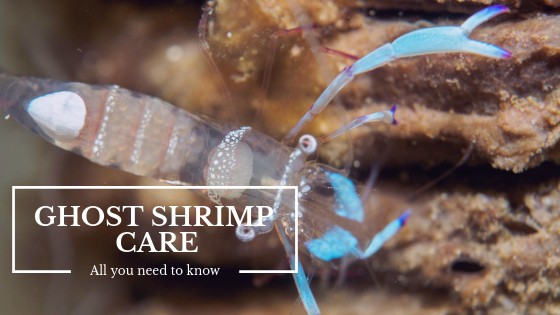
Ghost shrimp (Palaemonetes), also called glass shrimp, are one of the easiest pet shrimp to keep and an excellent starting point for anyone exploring the shrimp-keeping hobby. Ghost shrimp are nearly transparent, affordable, hardy, and straightforward to maintain in a freshwater aquarium. Ghost shrimp also serve as efficient scavengers, consuming algae, biofilm, and leftover food that accumulates on the substrate and decorations.
Beginner Friendly
Ghost shrimp are ideal for beginners due to their low cost, hardiness, and ease of care. Most pet stores sell ghost shrimp for under $1 each, making them an affordable way to learn shrimp keeping before investing in more expensive varieties like cherry shrimp.
Ghost Shrimp at a Glance
Care Requirements
Appearance
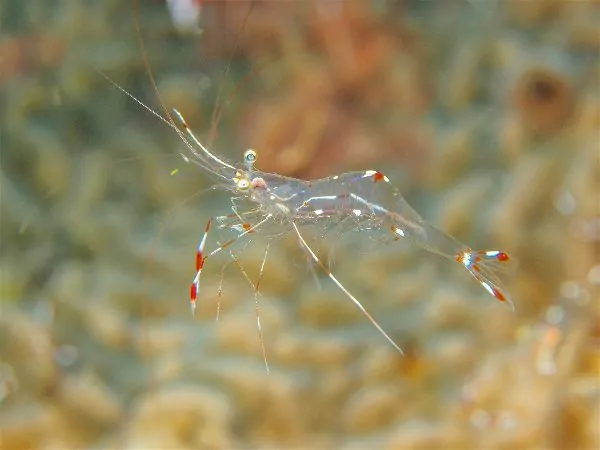
Ghost shrimp are nearly transparent, allowing you to see their internal organs and digestive tract
Ghost shrimp are nearly transparent, which is how they earned both their common names — ghost shrimp and glass shrimp. This transparency allows you to observe their internal organs, including the digestive tract as food passes through. Ghost shrimp typically display a slight yellowish or grayish tint, and adult ghost shrimp reach approximately 1.5-2 inches in length. Female ghost shrimp tend to be slightly larger than males and develop a visible green saddle when carrying eggs.
Tank Setup
Ghost shrimp are active explorers that spend their time crawling over every surface in the aquarium. A properly set up tank gives ghost shrimp room to roam while providing shelter for molting and resting. If you’re starting a freshwater aquarium for the first time, ghost shrimp make an excellent first species to add after cycling your tank.
Essential Tank Requirements
- Minimum 10-gallon aquarium — provides stable water chemistry and room for a small colony
- Rock or resin structures — ghost shrimp are natural climbers and use these as highways through the tank
- Driftwood — develops beneficial biofilm that ghost shrimp graze on continuously
- Live or plastic plants — java moss is particularly valuable as both shelter and food source
- Secure glass or mesh lid — ghost shrimp can jump out of uncovered tanks
Live plants are especially beneficial in a ghost shrimp tank — java moss, java fern, and floating aquarium plants all provide grazing surfaces and shelter. For a full planted setup, our low-light aquarium plants guide covers the best beginner-friendly options that thrive alongside ghost shrimp.
Dedicated shrimp hides give ghost shrimp a safe retreat during molting and when startled:
Escape Artists
Ghost shrimp can rocket straight out of the water when startled. A sudden noise, a shadow passing overhead, or a net entering the tank can trigger this escape response. Always keep a secure lid on the aquarium — even a small gap is enough for ghost shrimp to launch themselves out.
Filtration
Ghost shrimp are weak swimmers that prefer crawling along surfaces over swimming through open water. Strong water currents from powerful filters can stress ghost shrimp and push them around the tank.
Filtration Guidelines
- Small hang-on-back filter with adjustable flow — allows you to dial down current strength for ghost shrimp comfort
- Sponge or fine netting over the filter intake — prevents ghost shrimp from being pulled into the mechanism and injured or killed
- Filter cartridges with activated carbon — helps remove dissolved contaminants that harm ghost shrimp
- Gentle water flow throughout the tank — ghost shrimp should be able to crawl without fighting current
A pre-filter sponge over the intake is one of the most important accessories for any shrimp tank — it prevents ghost shrimp from being sucked into the filter mechanism:
Ghost shrimp that constantly swim against the current instead of crawling and foraging are signaling that the filter flow is too strong. If this happens, reduce the flow rate or add a baffle to reduce filter output. For a step-by-step walkthrough, see our guide on how to set up a fish tank filter.
Water Parameters
Ideal Conditions
Ghost shrimp tolerate a wide range of water conditions but are sensitive to poor water quality and sudden parameter changes. Maintain quality through consistent water changes:
- Weekly: 10% water change
- Biweekly alternative: 20% water change
Test water parameters regularly with a reliable liquid test kit — ammonia and nitrite must always read zero in a ghost shrimp tank:
Always dechlorinate new water before adding it to the ghost shrimp tank, and match the temperature of replacement water to the existing tank water. An adjustable aquarium heater helps maintain consistent temperature in the ghost shrimp tank, especially in rooms with variable temperatures. Large water changes or mismatched parameters stress ghost shrimp and can trigger fatal molting failures. For a full walkthrough on maintaining a healthy tank, see our aquarium cleaning guide.
Copper Sensitivity
Critical Warning: Copper Is Lethal to Ghost Shrimp
Ghost shrimp have copper-based blood — their blood uses copper instead of iron to bind oxygen, which gives it a blue color. This copper-based biology makes ghost shrimp extremely sensitive to dissolved copper in the water. Even trace amounts of copper from medications, algae treatments, or household plumbing can be fatal.
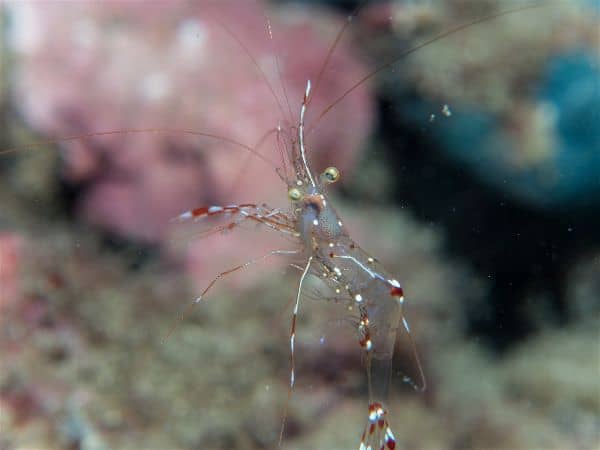
The transparency that gives glass shrimp their name — copper-based blue blood flows through their bodies instead of iron-based red blood
Copper enters aquarium water from several common sources. Ghost shrimp keepers must actively avoid all of them:
- Fish medications — many common treatments contain copper compounds that are lethal to ghost shrimp
- Algae treatments — copper-based algaecides will kill ghost shrimp even at low doses
- Old copper plumbing — homes with copper pipes can leach copper into tap water, especially when water sits in pipes overnight
- Fertilizers — some aquarium plant fertilizers contain copper as a micronutrient
The safest water sources for ghost shrimp tanks are bottled spring water or water treated with a conditioner that neutralizes heavy metals including copper. If using tap water, run the cold tap for several minutes before collecting water to flush standing water from copper pipes.
Feeding Ghost Shrimp
Ghost shrimp are omnivorous scavengers that spend most of their active time picking through substrate, plant surfaces, and decorations for food. In a mature aquarium with established biofilm — especially one with a low-tech planted setup — ghost shrimp find much of their diet naturally.
Accepted Foods
- Sinking fish flakes and micro pellets — ghost shrimp eagerly collect food that drifts to the bottom
- Algae wafers and sinking algae discs — break into smaller pieces appropriate for ghost shrimp
- Live java moss — hosts microorganisms and biofilm that ghost shrimp graze on continuously
- Blanched vegetables — small pieces of zucchini, spinach, or cucumber as occasional treats
- Algae and biofilm — ghost shrimp constantly pick at surfaces covered in natural growth
Feeding Tip
Ghost shrimp are efficient scavengers that clean up after messy fish. In community tanks, ghost shrimp often thrive entirely on leftover food that sinks to the bottom. Avoid overfeeding — uneaten food degrades water quality, which harms ghost shrimp more than slight underfeeding does.
Indian almond leaves are a popular supplement for ghost shrimp tanks — they release tannins that promote biofilm growth and provide a natural grazing surface as the leaves slowly decompose:
Compatible Tank Mates
Ghost shrimp are prey for many fish species due to their small size and lack of defensive features. Tankmate selection determines whether ghost shrimp thrive or become an expensive feeding session.
Safe Tank Mates
- Snails (Nerite, Mystery, Ramshorn) — peaceful companions that share space without conflict
- Other shrimp species (cherry shrimp, Amano shrimp) — compatible invertebrates with similar care needs
- Small tetras (neon tetra, ember tetra) — generally too small to eat adult ghost shrimp
- Corydoras catfish — peaceful bottom dwellers that coexist well with ghost shrimp
- Otocinclus catfish — gentle algae eaters that ignore ghost shrimp entirely
Avoid These Species
- Cichlids — aggressive predators that actively hunt and eat ghost shrimp
- Betta fish — many bettas attack and kill ghost shrimp, especially in smaller tanks
- Goldfish — opportunistic feeders that will eat anything small enough to swallow
- Large fish of any kind — any fish with a mouth big enough to fit a ghost shrimp will eventually eat one
- Crayfish — aggressive predators that catch and consume ghost shrimp
A shrimp-only tank or a ghost shrimp-and-snail setup provides the safest environment for establishing a healthy colony.
Breeding Ghost Shrimp
Ghost shrimp can breed in captivity, though raising the larvae to adulthood requires more effort than breeding Neocaridina species like cherry shrimp.
Breeding Requirements
- Start with at least 4-5 ghost shrimp to ensure both sexes are represented
- Dense plant cover — java moss and other fine-leaved plants provide shelter for larvae
- Stable water parameters within the recommended ranges
- No predatory tank mates that would eat larvae or adults
Female ghost shrimp carry visible green eggs attached to their swimmerets under the tail. Unlike cherry shrimp, which hatch as miniature adults, ghost shrimp larvae go through a free-swimming larval stage. Ghost shrimp larvae may require slightly brackish water conditions to develop fully, making ghost shrimp breeding significantly more challenging than Neocaridina varieties. Many hobbyists find that a separate breeding tank with slightly brackish water improves ghost shrimp larval survival rates.
Molting
Ghost shrimp regularly shed their exoskeleton as they grow — a process called molting. Molting is normal and essential, but it leaves ghost shrimp temporarily vulnerable. Ghost shrimp hide during and immediately after molting while their new shell hardens, often retreating behind rocks, driftwood, or dense plant cover.
Molting Facts
- Young ghost shrimp molt frequently as they grow; adult ghost shrimp molt every 3-8 weeks
- Leave shed exoskeletons in the tank — ghost shrimp eat them to recycle calcium and minerals
- Failed molts usually indicate mineral deficiency (low GH) or sudden water parameter changes
- Adequate GH (3-10° GH) is essential for proper ghost shrimp shell development
- Ghost shrimp may appear cloudy or whitish just before a molt — this is normal and temporary
Post-Molt Care
Avoid disturbing ghost shrimp during and after molting. Ghost shrimp with soft, newly formed shells are especially vulnerable to stress and predation. Ensure hiding spots are available throughout the tank so molting ghost shrimp can retreat safely.
Common Issues
- White or milky coloration — often indicates stress, illness, or an approaching molt in ghost shrimp
- Molting problems — caused by unstable water parameters or mineral deficiency (low GH or KH)
- Deaths shortly after purchase — shipping stress and poor conditions in feeder tanks weaken ghost shrimp before they arrive home
- Copper toxicity — the most common preventable cause of ghost shrimp death, from medications, tap water, or fertilizers
- Jumping out of the tank — ghost shrimp startle easily and can rocket out of uncovered aquariums
Acclimation Is Critical
Ghost shrimp sold as feeders often come from overcrowded, poorly maintained tanks. Drip acclimate new ghost shrimp over 1-2 hours to gradually adjust them to your water parameters. This slow transition dramatically improves survival rates compared to simply floating the bag and releasing. See our guide on how to prepare an aquarium for new fish for detailed acclimation steps.
Conclusion
Ghost shrimp (Palaemonetes) are among the most accessible freshwater invertebrates for aquarists at every skill level. Ghost shrimp require a 10-gallon or larger aquarium with gentle filtration, stable water parameters between 68-85°F (20-29°C), and careful avoidance of copper contamination. With proper tank setup and compatible tankmates, ghost shrimp reward their keepers with constant activity as they scavenge every surface in the aquarium. Ghost shrimp are an affordable, low-maintenance species that provides a natural cleanup crew while offering an engaging introduction to the shrimp-keeping hobby.
Frequently Asked Questions
Why are ghost shrimp so inexpensive?
Ghost shrimp are commercially bred in large quantities and often sold as feeder animals for larger fish. This mass production makes them one of the most affordable shrimp species available, typically costing under $1 each at most pet stores.
How long do ghost shrimp live?
Ghost shrimp typically live 1-2 years in well-maintained aquariums. Their lifespan depends heavily on water quality, stress levels, and the presence of predators. Ghost shrimp purchased from feeder tanks may have shorter lifespans due to prior stress and crowded conditions.
Can ghost shrimp live with fish?
Ghost shrimp can live with small, peaceful fish like neon tetras and corydoras catfish, but many fish species will prey on them. Ghost shrimp are safest in shrimp-only tanks or with very small, non-aggressive species. Always provide dense plant cover for ghost shrimp to retreat into.
Why did my ghost shrimp turn white?
White or milky coloration in ghost shrimp usually indicates stress, illness, or an approaching molt. If the ghost shrimp remains white for more than a day or two and shows reduced activity, test water parameters immediately — ammonia, nitrite, or copper contamination are common causes.
Do ghost shrimp eat algae?
Ghost shrimp are omnivorous scavengers that consume algae, biofilm, detritus, and leftover fish food. While ghost shrimp do eat algae, they are not as effective at algae control as Amano shrimp or Nerite snails. Their primary value is scavenging uneaten food and organic debris.
Can ghost shrimp live in a bowl?
Ghost shrimp should not be kept in an unfiltered bowl. They require filtered, heated water with stable parameters to thrive. A minimum 5-gallon filtered aquarium provides the stability ghost shrimp need, though a 10-gallon tank is recommended for a small colony.
For more shrimp information, see our guides on cherry shrimp care and how to set up a nano shrimp tank.
Related Topics
Found this helpful?
Share this guide with your fellow aquarium enthusiasts!
Written by
FTW Team
The FishTankWorld editorial team brings together experienced aquarists to help you succeed in the hobby.