
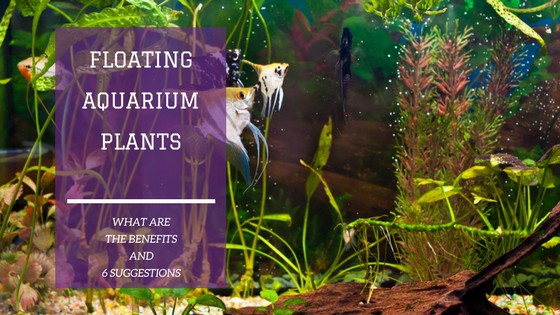
The best floating aquarium plants for most freshwater tanks are Water Lettuce, Duckweed, and Amazon Frogbit. Floating plants drift at the water surface, requiring no substrate or specialized planting. Their trailing roots create shelter for fish while their leaves provide shade and absorb excess nutrients directly from the water column.
Easy Addition to Any Tank
Floating plants are among the easiest aquarium plants to grow. Simply place them on the water surface and they’ll begin thriving with minimal care. Most species adapt quickly to various lighting and water conditions.
Benefits of Floating Aquarium Plants
Natural Shade
Floating plants create shadowed areas for fish and substrate plants. This shade reduces stress for species that prefer dim lighting and creates more natural conditions.
Manage Coverage
While shade benefits many fish, too much coverage blocks light needed by rooted plants. Maintain floating plant coverage at 50-70% of the surface area for the best balance.
Biological Filtration
Floating plants absorb nitrates, ammonia, and other waste products directly from the water. Their rapid growth makes them effective natural filters that improve water quality.
Water Quality Benefits
- Absorb excess nitrates between water changes
- Remove ammonia directly from water column
- Outcompete algae for nutrients
- Create beneficial bacteria habitat on roots
Protection for Fish
Floating plant root systems provide shelter and play areas for fish. Fry (baby fish) hide among the roots, dramatically increasing survival rates in community tanks. Floating plants are especially popular in betta tanks where they provide resting spots near the surface.
Natural Food Source
Floating plants like Duckweed can supplement herbivorous fish diets. Research compatibility before allowing fish to graze, as not all species are suitable as food.
Oxygen Production
Floating aquarium plants increase oxygen levels through photosynthesis. This helps maintain water quality and supports fish health, especially in heavily stocked tanks.
Aesthetic Appeal
Floating plants add a natural, established appearance to aquariums. Their varied leaf shapes and trailing roots create visual interest at the water surface.
How to Choose Floating Plants
Consider these factors when selecting floating plants:
Your Fish Community
Some fish eat or uproot floating plants. Research compatibility with your current stock. Goldfish, for example, may consume delicate floating plants.
Tank Size
Larger tanks accommodate bigger floating plants like Water Lettuce. Nano tanks work better with smaller species like Duckweed or Salvinia.
Root Systems
Some floaters develop long, dramatic root systems that hang several inches below the surface. Others have minimal roots. Choose based on the look you want and your fish’s needs.
Root Considerations
- Long roots provide more hiding spots for fry
- Minimal roots create cleaner appearance
- Long roots may reach heaters or filter intakes
- Regular trimming keeps roots manageable
What to Consider Before Adding
Lighting Requirements
Floating plants receive the most intense light in your tank. Most species thrive in this position, but excessively strong lighting can burn delicate leaves.
Growth Rate
Many floating plants grow rapidly. Fast growers like Duckweed can cover an entire tank surface within weeks if not managed. Be prepared for regular removal of excess plants.
Invasive Potential
Never release floating aquarium plants into natural waterways. Many species are invasive and can devastate local ecosystems. Dispose of excess plants in sealed bags with household waste.
Best 6 Floating Aquarium Plants
We selected these six floating plants based on availability, ease of care, and suitability across different tank sizes. Each species serves a different setup, from nano tanks to large community aquariums.
| Plant | Difficulty | Growth | Min Tank | Light |
|---|---|---|---|---|
| Water Lettuce | Easy | Fast | 20 gal | Low–High |
| Duckweed | Easy | Very Fast | Any | Low–High |
| Amazon Frogbit | Easy | Moderate | 10 gal | Low–Med |
| Azolla | Moderate | Moderate | Any | Med–High |
| Salvinia | Easy | Fast | Any | Low–Med |
| Bladderwort | Moderate | Slow | 10 gal | Moderate |
1. Water Lettuce (Pistia stratiotes) — Best Overall
Water Lettuce is the most popular floating aquarium plant, featuring large rosettes of velvety leaves with long, dramatic roots. Water Lettuce grows rapidly and provides excellent shade and biological filtration.
Light: Low to high | Growth: Fast | Difficulty: Easy
Best for: Medium to large tanks wanting dramatic floating plant presence.
2. Duckweed (Lemna minor) — Best for Small Tanks
Duckweed is the smallest floating aquarium plant, with tiny leaves barely 3mm across. Duckweed multiplies incredibly fast, making it perfect for nano tanks and aquariums under 100 gallons where larger plants would overwhelm the surface.
Light: Low to high | Growth: Very fast | Difficulty: Easy
Best for: Nano tanks and small aquariums; natural food for some fish.
3. Amazon Frogbit (Limnobium laevigatum) — Best for Aesthetics
Amazon Frogbit forms attractive rosettes similar to Water Lettuce but smaller, with roots that can grow several inches long. Amazon Frogbit creates a natural Amazonian surface canopy that looks stunning in planted tanks.
Filter Intake Warning
Amazon Frogbit roots can clog filter intakes if allowed to grow unchecked. Position plants away from filter areas or trim roots regularly.
Light: Low to moderate | Growth: Moderate | Difficulty: Easy
Best for: Amazon biotope tanks; aquariums wanting natural aesthetics.
4. Azolla (Mosquito Fern) — Most Colorful
Azolla features a distinctive quilted appearance and can range from green to reddish-brown depending on light intensity. Azolla earned the name Mosquito Fern because dense mats prevent mosquitoes from laying eggs in outdoor ponds.
Light: Moderate to high | Growth: Moderate | Difficulty: Moderate
Best for: Adding color variety; outdoor ponds and tubs.
5. Salvinia — Best for Betta and Shrimp Tanks
Salvinia species form small, clustering floating plants that create dense surface mats quickly. Salvinia requires relatively calm water, making it ideal for betta and shrimp setups where strong currents are already reduced.
Light: Low to moderate | Growth: Fast | Difficulty: Easy
Best for: Low-flow tanks; betta aquariums; shrimp tanks.
6. Floating Bladderwort (Utricularia) — Most Unusual
Floating Bladderwort is a carnivorous aquarium plant that is safe for fish but catches microorganisms in tiny bladder traps along its stems. Floating Bladderwort produces attractive yellow flowers above the water line and adds unique interest to planted tanks.
Light: Moderate | Growth: Slow | Difficulty: Moderate
Best for: Hobbyists wanting unusual plant varieties; tanks with microorganism populations.
Protect Your Floating Plants
One common frustration with floating plants is losing them to filter intakes and skimmers. Duckweed and other small floaters are especially vulnerable to being pulled into HOB filters, where they clog the intake and die. A floating plant corral solves this problem by creating a protected zone on the water surface.
Floating Plant Corral for Aquarium
- Keeps duckweed and small floaters away from filter intakes and skimmers
- EV cotton interior provides buoyancy for automatic height adjustment with water level changes
- Doubles as a feeding corral — create dedicated feeding zones to prevent fish from eating plants
- Available in two semicircle sizes to fit different aquarium setups
- Easy suction cup installation — attaches directly to aquarium glass walls
Why we recommend it: If you keep duckweed or other small floating plants, a corral prevents the constant battle of plants flowing into your filter. It attaches to the glass with suction cups and automatically adjusts to your water level. It also works as a feeding area divider, keeping fish and plants separated when needed.
Which Floating Plant Should You Choose?
Floating aquarium plants offer benefits for virtually any freshwater tank. They filter water, provide shelter, reduce algae, and add natural beauty with minimal effort. Tank size is the primary factor in species selection — match plant size to your aquarium for the best results.
Water Lettuce remains the top recommendation for most setups due to its attractive appearance, effective filtration, and manageable growth rate. For beginners or anyone building a low-tech planted aquarium, Duckweed and Salvinia are the easiest starting points. If you want floating plants alongside rooted species, pair them with low-light aquarium plants that thrive under the shaded conditions floaters create.
Do floating plants help with algae?
Yes, floating plants compete directly with algae for nutrients and light. By absorbing excess nitrates and providing shade, they reduce the conditions algae need to thrive. Many aquarists use floating plants specifically for natural algae control.
Will floating plants block light from my other plants?
Floating plants can block significant light if allowed to cover the entire surface. Manage coverage by regularly removing excess plants. Keep floating plants to 50-70% of the surface area to maintain adequate light for rooted plants below.
Are floating plants good for betta fish?
Floating plants are excellent for betta tanks. They provide resting spots near the surface where bettas breathe, create shaded areas bettas prefer, and offer cover that reduces stress. Betta fish often rest on floating plant leaves.
Related Topics
Found this helpful?
Share this guide with your fellow aquarium enthusiasts!
Written by
FTW Team
The FishTankWorld editorial team brings together experienced aquarists to help you succeed in the hobby.