
Quick Summary
Most tropical fish need water between 74–82°F (23–28°C). Use 3–5 watts per gallon to size your heater. Submersible heaters with adjustable thermostats are the best all-around choice for most freshwater and saltwater tanks. For tanks over 40 gallons, use two heaters at opposite ends for even distribution and backup. Always verify temperature with a separate digital thermometer — never rely on the heater’s built-in dial alone.
Why Your Aquarium Needs a Heater
An aquarium heater does two things: it raises water temperature to the range your fish need, and it keeps that temperature stable around the clock. Temperature stability matters just as much as hitting the right number.
Fish are ectothermic — their metabolism, immune system, digestion, and behavior all depend directly on water temperature. Even a 3–4°F swing over the course of a day stresses tropical fish, suppresses immune response, and opens the door to diseases like ich and fin rot. Room temperature fluctuates constantly with HVAC cycles, weather changes, day-night shifts, and seasonal swings. An aquarium heater compensates for all of it.
Without a heater, a tropical tank in a 70°F room sits 4–12°F below what most species require. The fish may survive for a while, but they won’t thrive — expect reduced color, lower activity, poor appetite, and a shortened lifespan.
Common Tropical Fish Temperature Ranges
Environmental Factors That Affect Heating
Your tank’s heating needs depend on more than just water volume. The room environment plays a major role in how hard a heater has to work — and whether it can keep up.
- Room temperature — The bigger the gap between room temp and target aquarium temp, the more wattage you need. A tank in a 65°F basement needs a stronger heater than the same tank in a 75°F living room.
- Windows and exterior walls — Tanks placed near windows or against exterior walls lose heat faster, especially overnight. Direct sunlight can also cause daytime spikes followed by evening drops.
- HVAC vents and drafts — Air conditioning blowing directly on a tank can drop water temperature 2–4°F below target. Space heaters nearby can cause the opposite problem.
- Tank wall thickness — Thinner glass loses heat faster than thicker glass. Acrylic tanks insulate slightly better than glass tanks of the same thickness.
- Tank lid — An open-top or rimless aquarium loses significant heat through evaporation. A tight-fitting lid reduces heat loss and heater workload.
Coldwater Species Don't Need Heating — But Stability Still Helps
Not every tank needs a heater. Goldfish (60–72°F), white cloud mountain minnows (60–72°F), and hillstream loaches (65–75°F) prefer cooler water. However, even coldwater tanks benefit from a low-set heater that prevents temperature swings rather than raises temperature. See our goldfish aquarium guide for coldwater setup details.
Three Types of Aquarium Heaters
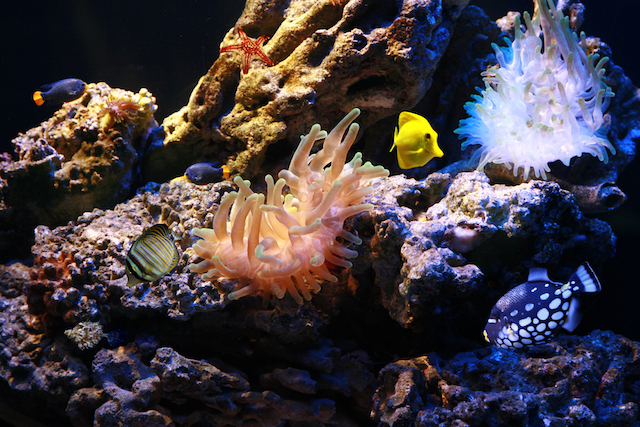
Different heater types suit different tank setups — submersible heaters are the most popular choice for most aquariums
1. Submersible Heaters
Submersible aquarium heaters are sealed tubes that go fully underwater, attached to the tank glass with suction cups. They are the most common and versatile heater type available. Submersible heaters can be positioned vertically, horizontally, or at an angle — horizontal placement near the bottom is most efficient because heat rises naturally through the water column.
Advantages:
- Fully underwater placement for efficient, even heating across the tank
- Can be positioned horizontally near the bottom where heat distribution is best
- Wide range of wattages available (25W to 300W+) for any tank size
- Most models include adjustable thermostats with temperature dials
- Compact designs like the Fluval M series blend into aquascapes with minimal visual impact
Watch Out For:
- Glass models can crack if they contact gravel, decorations, or the tank wall directly
- Must be fully submerged at all times — running dry destroys the heating element within minutes
- Cheap models may have inaccurate thermostats (off by 2–4°F from the dial setting)
2. Immersible (Hang-On) Heaters
Immersible aquarium heaters are older-style glass tube heaters that hang on the tank rim. The heating element submerges below the waterline, but the controls and thermostat stay above water. A marked water line on the tube shows the maximum submersion depth — submerging beyond this line damages the unit.
Advantages:
- Easy to install and remove for cleaning or tank maintenance
- Temperature controls accessible above the waterline without reaching into the tank
- Often less expensive than submersible models
Watch Out For:
- Less efficient — heat enters near the surface where it's least needed
- Water evaporation can expose the heating element, causing failure or cracking
- Limits placement options compared to submersible heaters
- Largely being replaced by submersible designs in modern aquarium keeping
3. Inline / Filter Heaters
Inline aquarium heaters integrate a heating element into canister filter plumbing or come built into filter units. Water is heated as it passes through the filter, combining heating and filtration into one system. The result is zero visible equipment inside the tank.
Advantages:
- No heater visible inside the tank — clean, uncluttered aesthetic
- Even heat distribution since water is heated during the filtration cycle
- Reduces equipment clutter, especially in smaller or display tanks
Watch Out For:
- Only works with compatible canister filters — not a standalone option
- If the filter stops running, heating stops — single point of failure
- More expensive and harder to replace than a standalone submersible heater
Best for Most Tanks
Submersible heater
- Versatile placement (horizontal or vertical)
- Widest wattage range available
- Adjustable thermostat on most models
- Best price-to-performance ratio
Best for Display Tanks
Inline / filter heater
- Nothing visible inside the tank
- Heats water during filtration cycle
- Clean aesthetic for aquascapes
- Requires compatible canister filter
What to Look for in an Aquarium Heater
Not all aquarium heaters are built the same. These features separate reliable heaters from cheap ones that fail when it matters most.
Adjustable thermostat vs. preset temperature — Adjustable heaters let you dial in a specific temperature for your species. Preset heaters (like the Tetra HT series) are locked to 78°F, which works for most tropical community tanks but limits flexibility if you keep species with different temperature needs. Adjustable is the better long-term investment.
Shatterproof construction — Glass heaters are common and work fine, but they crack if they contact hard surfaces or experience thermal shock. Shatterproof models like the Aqueon Pro use aluminum or reinforced plastic housings that survive bumps, drops during maintenance, and accidental dry-firing. Worth the premium for clumsy hands or large, active fish.
Auto-shutoff and safety features — A heater with automatic shutoff powers down if it overheats or detects low water levels. The EHEIM Jäger heater includes a thermo-safety control that shuts off if removed from water — preventing the most common cause of heater destruction. The HiTauing series adds an intelligent water sensor that stops heating when the unit leaves the water entirely.
Temperature display — Most heaters have only a dial and an indicator light (red = heating, green = standby). Digital display models like the HiTauing line show the actual water temperature on an external LED controller, giving you real-time feedback without a separate thermometer.
How to Size Your Heater
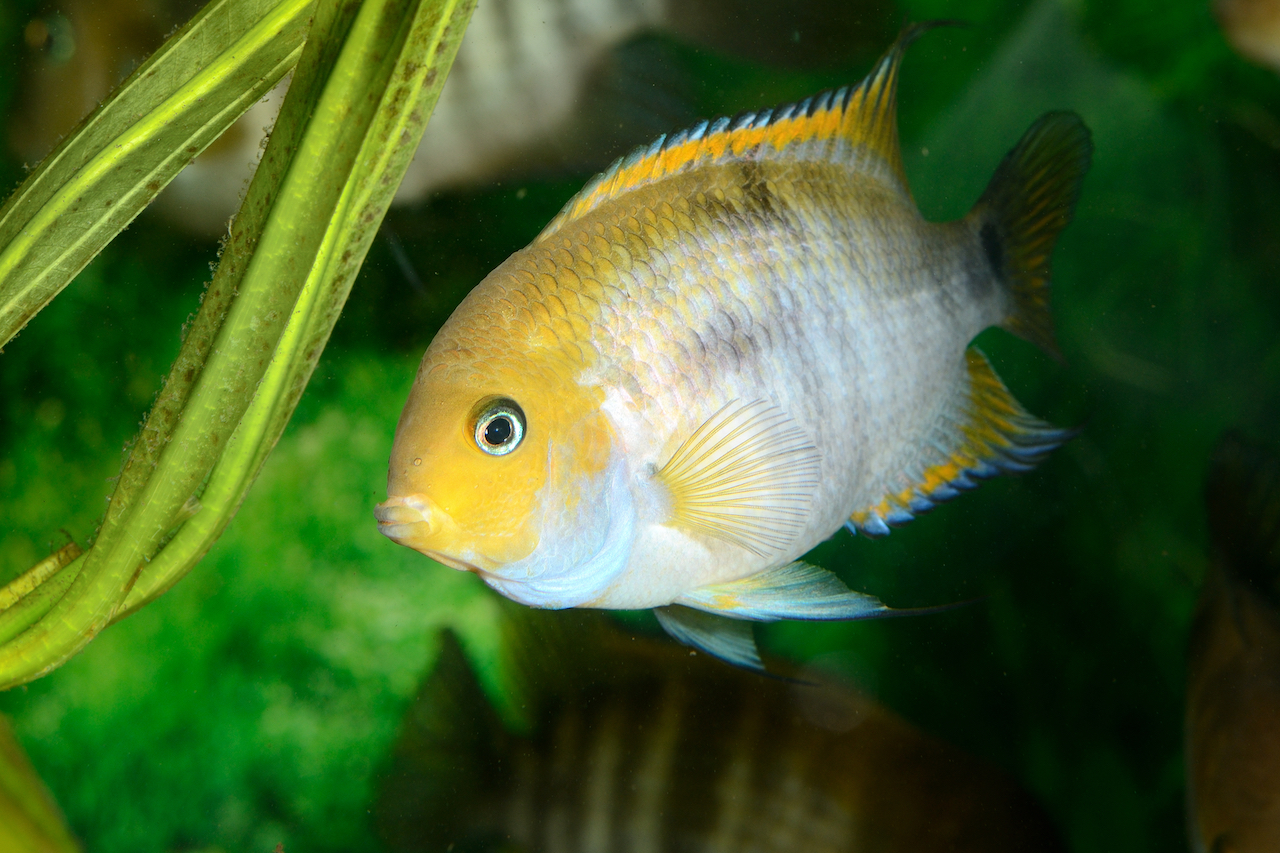
Proper heater sizing ensures consistent, stable temperature for tropical fish
The standard guideline for aquarium heater sizing is 3–5 watts per gallon. This works for most setups where the room temperature stays within 10°F of your target aquarium temperature. In colder rooms, drafty locations, or near exterior walls and windows, size up toward 5 watts per gallon.
To calculate your exact wattage need: subtract your average room temperature from your desired aquarium temperature. The larger that gap, the more wattage per gallon you need.
Heater Wattage by Tank Size
When to Use Two Heaters
For tanks over 40 gallons, two smaller heaters placed at opposite ends of the tank outperform a single large heater. This dual-heater approach provides meaningful advantages:
- Even heating — eliminates warm and cold zones that a single heater creates in long tanks
- Redundancy — if one heater fails, the other prevents a catastrophic overnight temperature crash
- Less thermal stress — two heaters cycle on and off less aggressively than one large unit
- Sizing flexibility — two 100W heaters are easier to source and cheaper to replace than one 200W unit
For example, a 55-gallon tank that needs 200W of heating is better served by two 100W heaters — one near each end — than a single 200W unit on one side. A 75-gallon or 100-gallon tank benefits even more from this approach.
Don't Oversize Your Heater
An overpowered heater is more dangerous than an underpowered one. If the thermostat on a 300W heater sticks in the “on” position in a 20-gallon tank, it can raise the water temperature by several degrees per hour — fast enough to kill fish before you notice the problem. Size your heater appropriately for the tank volume and always monitor with a separate thermometer.
Top Aquarium Heater Picks
Top Aquarium Heaters Compared
| Best For | Large tanks up to 100 gal | Medium tanks (40–65 gal) | Small-medium (up to 30 gal) | Beginners (10–30 gal) | Digital display (40–75 gal) |
| Wattage | 300W | 150W | 100W | 100W | 300W |
| Type | Submersible | Submersible | Submersible | Submersible | Submersible |
| Shatterproof | — | — | |||
| Adjustable | — | ||||
| Auto Shutoff | |||||
| Check Price | Check Price | Check Price | Check Price | Check Price |

- Best For
- Large tanks up to 100 gal
- Wattage
- 300W
- Type
- Submersible
- Shatterproof
- Adjustable
- Auto Shutoff
- Best For
- Medium tanks (40–65 gal)
- Wattage
- 150W
- Type
- Submersible
- Shatterproof
- Adjustable
- Auto Shutoff
- Best For
- Small-medium (up to 30 gal)
- Wattage
- 100W
- Type
- Submersible
- Shatterproof
- —
- Adjustable
- Auto Shutoff
- Best For
- Beginners (10–30 gal)
- Wattage
- 100W
- Type
- Submersible
- Shatterproof
- —
- Adjustable
- —
- Auto Shutoff
- Best For
- Digital display (40–75 gal)
- Wattage
- 300W
- Type
- Submersible
- Shatterproof
- Adjustable
- Auto Shutoff
Editor’s Choice: Aqueon Pro 300W
Aqueon Pro 300W Submersible Heater
- Shatterproof aluminum construction — nearly indestructible
- Adjustable temperature range: 68–88°F with ±1° accuracy
- LED indicator: red when heating, off at temperature
- Auto shutoff when overheating, resets automatically when cooled
- Rated for freshwater and saltwater tanks up to 100 gallons
Why we recommend it: The Aqueon Pro 300W is the top choice for large tanks because its shatterproof aluminum body eliminates the most common failure mode — cracked glass. The electronic thermostat holds temperature within ±1°F, and the auto-shutoff resets itself after cooling, so you don't have to manually intervene. For tanks 55–100 gallons, the 300W model provides reliable, worry-free heating.
Best For: Tanks 55–100 gallons, fishkeepers who want durability over features. The Aqueon Pro series is available in 50W, 100W, 150W, 200W, and 300W — each with the same shatterproof construction. For tanks over 75 gallons, pair two Aqueon Pro units at opposite ends for even heating and redundancy.
Most Reliable: EHEIM Jäger 150W
EHEIM Jäger Thermostat Heater (150W)
- TruTemp dial recalibrates for precise ±0.5°F temperature regulation
- Thermo-safety control automatically shuts off if removed from water
- Shock-resistant, shatter-proof glass construction
- On/off indicator light for at-a-glance monitoring
- Available in 25W to 300W for tanks from 5 to 160 gallons
Why we recommend it: The EHEIM Jäger is a long-standing industry standard for aquarium heating. The TruTemp dial is more accurate out of the box than most competitors, and the dry-run shutoff prevents the single most common cause of heater destruction — accidentally exposing it to air during water changes. Available from 25W to 300W, covering virtually any tank.
Best For: Medium to large tanks (40–65 gallons at 150W). The EHEIM Jäger is available in wattages from 25W through 300W. For tanks over 65 gallons, pair two Jäger units at opposite ends — the 200W and 300W models cover up to 160 gallons.
Best Compact Design: Fluval M 100W
Fluval M 100W Submersible Heater
- Mirror technology — reflective finish blends into the tank surroundings
- Slim, compact profile takes up minimal space in the aquarium
- European-quality components for reliable, consistent heating
- Works in both freshwater and saltwater tanks up to 30 gallons
Why we recommend it: The Fluval M 100W stands out for its mirror-finish design that visually disappears inside the tank — a feature no other heater in this price range offers. The slim profile fits discreetly behind plants or decorations. Built with European-quality components, the Fluval M delivers reliable heating for small to medium freshwater and saltwater setups up to 30 gallons.
Best For: Aquascapers and fishkeepers who want their heater to disappear visually. The Fluval M series mirror finish reflects the tank surroundings, making it far less conspicuous than a standard black or silver heater tube. Available in 50W, 100W, 150W, and 200W.
Also Worth Considering
The Tetra HT 100W Submersible Heater is a strong choice for beginners who want a simple, plug-and-go solution. The Tetra HT is preset to 78°F — no adjustment needed — making it foolproof for standard tropical community tanks with neon tetras, guppies, barbs, or corydoras. The indicator light changes from red (heating) to green (at temperature) for easy visual monitoring.
For fishkeepers who want real-time digital temperature readouts, the HiTauing 300W Submersible Heater includes an external LED controller that displays the current water temperature in Fahrenheit or Celsius. The HiTauing heater also features an intelligent water sensor that automatically stops heating if the unit is removed from water — a safety feature that prevents dry-firing accidents during water changes.
How to Install Your Aquarium Heater
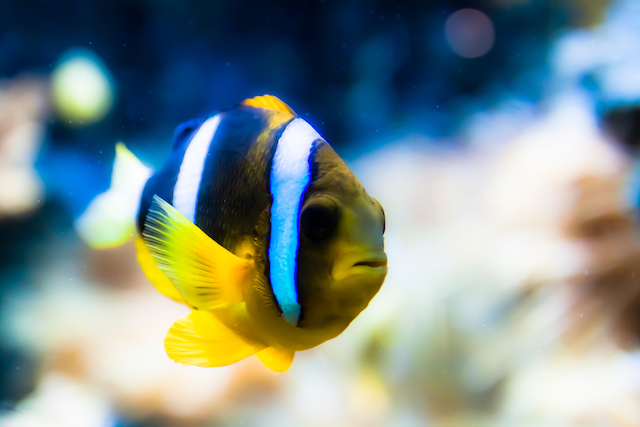
Proper heater placement and installation prevents the most common causes of equipment failure and fish injury
Proper installation prevents the most common causes of heater failure, fish injury, and cracked equipment. Follow these steps when setting up a new aquarium heater.
Heater Setup Steps
Submerge and wait
Place the heater fully underwater (for submersible models) and wait at least 30 minutes before plugging it in. This allows the glass or ceramic housing to equalize with the water temperature. Plugging in a dry or cold heater causes thermal shock that can crack the housing — creating both an electrocution hazard and a destroyed heater. For glass heaters like the EHEIM Jäger, this acclimation step is especially critical.
Position for circulation
Mount the heater near the filter intake or outflow where water movement is strongest. This distributes heat throughout the tank rather than creating a warm zone around the heater. For submersible heaters, horizontal placement near the bottom is ideal — heat rises naturally, warming the full water column from bottom to top.
Maintain clearance
Keep the heater away from gravel, decorations, tank walls, and plastic plants. Direct contact with any surface creates hot spots that can crack the heater glass, melt plastic, or burn fish that rest against warm surfaces. A heater guard — an inexpensive plastic cage that fits over the heater tube — prevents fish from contacting the heater directly. Heater guards are especially important if you keep large, active, or bottom-dwelling fish like plecostomus or corydoras.
Set the temperature
For adjustable heaters, set the dial to your target temperature — typically 78°F for tropical community tanks. Start at the midpoint of your species' preferred range. Don't rely on the heater's dial markings alone — they can be off by 2–4°F from the actual water temperature. Your separate thermometer is the source of truth.
Install a separate thermometer
Place a digital thermometer on the opposite side of the tank from the heater. This reveals the actual temperature your fish experience and exposes any hot/cold zones. Digital probe thermometers are the most accurate. Avoid stick-on LCD strips — they measure glass temperature rather than water temperature and can be off by 3–5°F.
Monitor for 24–48 hours
Check the thermometer multiple times over the first two days, especially during morning (coldest room temperature) and evening (warmest room temperature). Adjust the heater dial in small increments — 1°F at a time — and wait 4–6 hours between changes for the tank to stabilize. Once the temperature holds steady within ±1°F across a full day-night cycle, your setup is complete.
Safety Precautions
Aquarium heaters combine electricity and water — taking a few precautions prevents equipment damage, fish injury, and electrical hazards.
Essential Safety Practices:
- Always unplug the heater before water changes — exposing a hot heater to air can crack it instantly
- Use a drip loop on the power cord so water runs away from the outlet, not toward it
- Never run a heater outside of water, even briefly — dry-firing destroys the heating element and can shatter glass models
- Install a heater guard if you keep large, active, or bottom-dwelling fish that may rest against the heater
- Connect to a GFCI outlet or use a GFCI adapter — this cuts power instantly if water contacts the electrical connection
- Replace any heater that shows visible cracks, discoloration, or erratic temperature behavior immediately
- Invest in quality heaters rather than cycling through cheap replacements — a malfunctioning heater can kill an entire tank of fish in hours
Removing a Heater Safely
Before removing an aquarium heater for cleaning or replacement, unplug it and wait 15–20 minutes for it to cool while still submerged. Pulling a hot heater out of the water causes rapid thermal contraction that cracks glass housings. A cracked heater submerged in water is an electrocution risk for both fish and humans. Shatterproof models like the Aqueon Pro are more forgiving, but unplugging and cooling first is still the safest practice.
Troubleshooting Common Heater Problems
Heater Issues and Fixes
Heater runs constantly but water stays cold
The heater is undersized for the tank, the room is too cold, or the tank loses heat faster than the heater can add it. Check wattage against the 3–5 watts per gallon guideline. If the heater is correctly sized, check for drafts near the tank, an AC vent blowing directly on it, or a missing tank lid allowing excessive heat loss through evaporation. Tanks near windows or exterior walls often need 5 watts per gallon rather than 3.
Temperature is higher than the dial setting
The heater's thermostat is inaccurate or stuck in the 'on' position. Use your separate thermometer to confirm the actual water temperature. If the heater consistently overshoots by 2–3°F, lower the dial to compensate. If it overshoots by more than 4°F or runs continuously without cycling off, the thermostat is likely faulty — replace the heater immediately. An EHEIM Jäger heater's TruTemp dial can be recalibrated to correct minor inaccuracies.
Temperature swings more than 2°F between day and night
The heater is likely undersized or fighting large room temperature swings. Increase wattage, add a second heater, move the tank away from windows and vents, or add a tank lid to reduce heat loss. A properly sized heater in a stable room should hold temperature within ±1°F.
Heater cracked or making clicking sounds
Unplug immediately. A cracked heater in water is an electrocution hazard. Clicking sounds can be normal thermostat cycling or can indicate a failing relay. If clicking is new or accompanied by temperature instability, replace the heater. Never attempt to repair a cracked aquarium heater — replace it with a new unit.
Indicator light stays on but water isn't warming
The heating element may have failed while the thermostat circuit still functions. Verify with your separate thermometer. If the water temperature hasn't changed after 2–3 hours with the indicator light on, the internal heating element is burned out. Replace the heater.
Frequently Asked Questions
What size heater do I need for my aquarium?
Use 3-5 watts per gallon as a baseline. A 10-gallon tank needs 25-50W, a 30-gallon needs 75-150W, and a 55-gallon needs 150-275W. In cold rooms below 68°F or near windows and exterior walls, size up toward 5 watts per gallon. For tanks over 40 gallons, two smaller heaters placed at opposite ends provide more even heating and backup protection if one fails.
Where should I place my aquarium heater?
Place the heater near a filter intake or return where water circulation distributes heat evenly throughout the tank. For submersible heaters, horizontal placement near the bottom is most efficient since heat rises naturally. Keep the heater away from gravel, decorations, and tank walls — direct contact can crack the heater glass or create localized hot spots that stress nearby fish.
How long should I wait before plugging in a new heater?
Wait at least 30 minutes after submerging a new aquarium heater before plugging it in. This allows the glass or ceramic housing to equalize with the water temperature. Plugging in a dry or cold heater causes thermal shock that can crack the housing — creating both an electrocution hazard and a destroyed heater.
Do I need two heaters for my aquarium?
For tanks over 40 gallons, two heaters are recommended. Two smaller heaters provide more even heat distribution across the full length of the tank and serve as backup — if one heater fails, the other prevents a catastrophic temperature drop overnight. For smaller tanks under 30 gallons, a single properly sized heater is sufficient.
Can an aquarium heater overheat my tank?
Yes. A malfunctioning thermostat or oversized heater can raise water temperature to lethal levels within hours. Always use a separate digital thermometer to monitor actual water temperature — never rely solely on the heater's built-in dial or gauge. An overpowered heater heats water dangerously fast if the thermostat sticks in the on position.
What's the difference between submersible and immersible heaters?
Submersible aquarium heaters go fully underwater and can be positioned at any angle, making them more versatile and efficient. Immersible (hang-on) heaters are only partially submerged — the heating element sits in the water but the controls stay above the waterline. Submersible heaters are preferred because they allow low placement near the bottom where heating is most effective.
How do I know if my aquarium heater is working?
Most aquarium heaters have an indicator light — red when actively heating, green or off when at the set temperature. The most reliable check is a separate digital thermometer placed on the opposite side of the tank from the heater. If the temperature stays within 1°F of your target across a full day-night cycle, the heater is working correctly.
How long do aquarium heaters last?
A quality aquarium heater typically lasts 3-5 years with proper use. Shatterproof models like the Aqueon Pro tend to outlast glass heaters. Replace any heater that shows visible cracks, erratic temperature swings, or a constantly lit indicator light — these are signs of thermostat failure that can endanger fish.
Set Up Your Aquarium Right
A heater is one piece of the equipment puzzle. Make sure your filtration, lighting, and maintenance routine are dialed in too.
Related Topics
Found this helpful?
Share this guide with your fellow aquarium enthusiasts!

Written by
FTW Team
The FishTankWorld editorial team brings together experienced aquarists to help you succeed in the hobby.