Most aquarium fish deaths are preventable. The same handful of fishkeeping mistakes kill fish in tank after tank, year after year — and nearly all of them come down to rushing the process or skipping basic care steps.
The 10 mistakes below represent the errors that cause the most fish deaths in freshwater aquariums. Some are one-time setup problems like skipping the nitrogen cycle. Others are ongoing habits — overfeeding, poor maintenance, ignoring water chemistry — that slowly degrade water quality until fish get sick. Understanding why each mistake causes harm makes the difference between a thriving aquarium and a frustrating cycle of cloudy water, sick fish, and wasted money.
1. Not Cycling the Tank
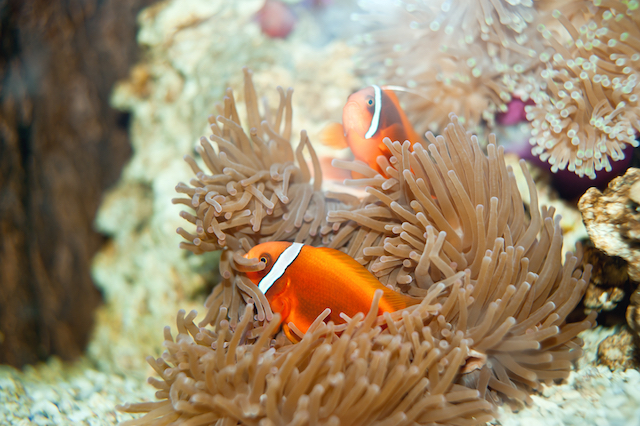
Beneficial bacteria need 4-6 weeks to colonize filter media and surfaces
Skipping the nitrogen cycle kills more aquarium fish than any other mistake — a problem so common it has its own name: new tank syndrome. A brand-new aquarium has zero beneficial bacteria. When fish are added to an uncycled tank, fish waste produces ammonia with no biological filtration to process it. Ammonia concentrations rise to lethal levels within days, poisoning fish through their gills and skin. New tank syndrome is the leading cause of fish death in the first month of aquarium ownership.
The nitrogen cycle converts toxic ammonia into progressively less harmful compounds through two bacterial stages. First, Nitrosomonas bacteria colonize filter media and convert ammonia into nitrite (also toxic). Then Nitrobacter bacteria convert nitrite into nitrate, which is far less harmful and removed through regular water changes. This bacterial colonization process takes 4-6 weeks to complete naturally.
Bacterial supplements such as API Quick Start or Fritz TurboStart 700 can reduce cycling time to 2-4 weeks by seeding the tank with live nitrifying bacteria. However, even with supplements, the cycle must be verified with a liquid test kit — ammonia and nitrite must both read 0 ppm before fish are added.
Never Buy Tank and Fish the Same Day
Pet stores will sell you a tank and fish together, but your aquarium is not ready for fish the day it’s set up. Cycling must happen first. Buying both the same day is the single most common path to dead fish within the first two weeks.
Avoid using ammonia neutralizers during cycling. These products remove the ammonia that bacteria need as a food source, stalling the cycle indefinitely. If you’re cycling with fish already in the tank, use bacterial supplements and perform small daily water changes instead.
For a complete walkthrough of cycling methods, see our guide on how to cycle a freshwater aquarium.
2. Starting with Too Small a Tank
Small freshwater aquariums are harder to maintain, not easier. Water chemistry fluctuates more dramatically in smaller volumes — a 5-gallon tank can swing 1-2 degrees in temperature or 0.5 pH units overnight, while a 30-gallon tank absorbs the same environmental changes with minimal fluctuation. Less water volume means less margin for error on every parameter.
A 20-30 gallon freshwater aquarium is the best starting size for beginners. This volume provides enough chemical stability to absorb minor mistakes while remaining affordable and manageable. Larger tanks also offer more stocking options, making the hobby more rewarding from the start.
Small tanks limit species choices severely. Many popular freshwater fish — tetras, barbs, corydoras catfish, angelfish — need 20 gallons or more to thrive. Starting too small often leads to overstocking, which creates a cascade of water quality problems.
For setup guidance on smaller tanks, see our small freshwater tank setup guide. For stocking inspiration at the 20-gallon size, explore our 20-gallon tank setup ideas.
3. Overstocking and Ignoring Fish Compatibility
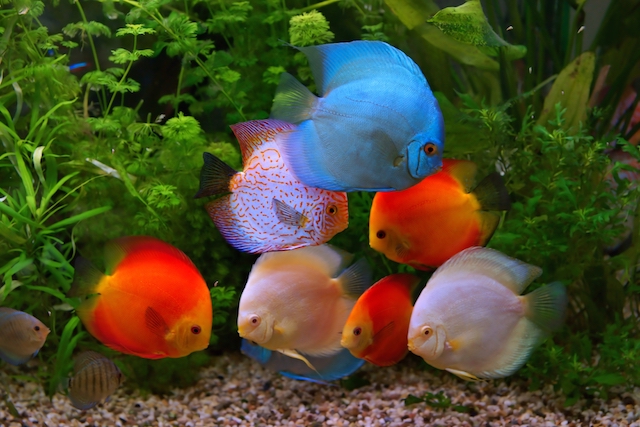
Overstocking overwhelms filtration and causes territorial stress
Overstocking a freshwater aquarium overwhelms biological filtration regardless of equipment quality. More fish means more waste, higher ammonia production, and faster water quality decline between maintenance sessions. Overcrowded freshwater tanks also produce territorial aggression, stress-related disease, and dissolved oxygen depletion — especially at warmer temperatures where water holds less oxygen.
The old “one inch of fish per gallon” stocking rule is unreliable for freshwater aquariums. A single 10-inch oscar cichlid produces far more waste than ten 1-inch neon tetras, despite occupying the same inches-per-gallon calculation. Body mass, metabolic rate, territory requirements, and waste output vary dramatically between freshwater fish species.
Fish compatibility matters as much as stocking numbers. Aggressive species like tiger barbs and convict cichlids bully peaceful community fish such as guppies and rasboras. Tropical freshwater fish cannot survive in unheated setups. Schooling species like neon tetras, rummy-nose tetras, and corydoras catfish need groups of six or more to feel secure — keeping schooling fish alone or in pairs causes chronic stress and shortened lifespans.
Before Adding Any Fish, Research
- Adult size — many fish sold as juveniles grow much larger
- Temperament — aggressive, semi-aggressive, or peaceful
- Water parameter needs — temperature, pH, and hardness ranges
- Social requirements — schooling, pairing, or solitary species
- Territory needs — bottom dwellers, mid-level swimmers, surface fish
Stock conservatively. A lightly stocked tank with strong filtration is always healthier, easier to maintain, and more enjoyable than a packed tank that requires constant intervention.
4. Overfeeding
Overfeeding is the most common ongoing fishkeeping mistake and a leading cause of poor water quality in freshwater aquariums. Aquarium fish always appear hungry because begging for food is a hardwired survival instinct — not an indication they need more. A fish’s stomach is roughly the size of its eye, which means freshwater fish require far less food per feeding than most beginners expect.
Uneaten food that sinks to the substrate decomposes into ammonia, fueling bacterial blooms that cloud the water and creating nutrient surpluses that trigger algae outbreaks. Even food that fish consume in excess passes through their digestive system incompletely, increasing waste output and degrading water quality faster than filtration can compensate.
The 2-3 Minute Rule
Feed only what your fish consume within 2-3 minutes, once or twice daily. If food reaches the substrate uneaten, you are feeding too much. Most fish benefit from one fasting day per week to clear their digestive systems.
Signs of overfeeding include cloudy water, visible food debris on the substrate, excessive algae growth (especially brown algae from elevated nitrates), and persistently elevated ammonia or nitrate readings. For a complete breakdown, see our guide on signs of overfeeding fish.
5. Getting Tank Maintenance Wrong
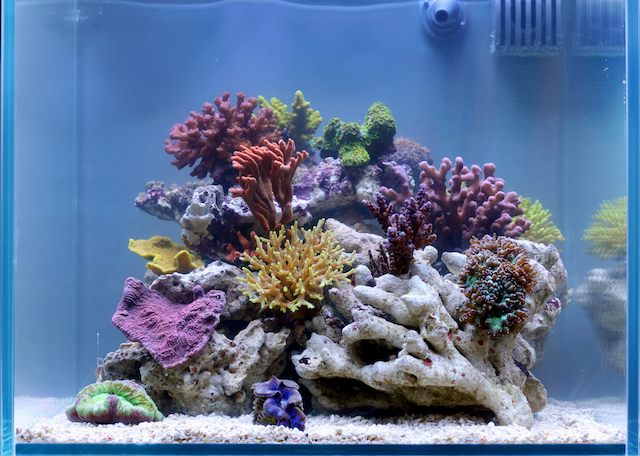
Regular, consistent maintenance prevents most water quality problems
Tank maintenance fails in two directions — too little and too much — and both cause serious problems.
Under-cleaning allows waste to accumulate. An aquarium is a closed system that concentrates toxins without intervention. Without regular water changes and gravel vacuuming, ammonia, nitrite, and nitrate levels rise steadily until fish health deteriorates.
Over-cleaning destroys the beneficial bacteria your tank depends on. That slimy biofilm coating filter media and tank surfaces is a living colony of nitrifying bacteria. Scrubbing everything spotless or replacing all filter media at once crashes your biological filtration and can trigger a mini-cycle — essentially recreating the dangerous conditions of an uncycled tank.
Maintenance That Works
- 10-20% water changes weekly — consistent small changes beat occasional large ones
- Gravel vacuuming during water changes to remove trapped debris
- Filter media rinsing monthly in old tank water — never under the tap
- Stagger maintenance so some bacterial colonies always remain undisturbed
- Keep the filter running 24/7 without exception
Never rinse filter media in tap water. Chlorine and chloramine in municipal water kill beneficial bacteria on contact. Always rinse filter media in a bucket of old tank water removed during a water change. This preserves bacterial colonies while removing excess debris. For the full process, see our guide on how to change aquarium filter without losing bacteria.
Filters must run continuously. When filtration stops — from a power outage, accidental unplugging, or intentional shutdown — bacteria begin dying within hours. Dead bacteria decompose into toxic compounds. After any extended filter downtime, clean the filter media and add bacterial supplements before restarting to avoid releasing a slug of toxins into the tank.
Consistency matters more than perfection. Create a weekly schedule and stick to it. Skipped maintenance compounds — one missed week becomes two, and routine upkeep becomes crisis management. For a complete maintenance walkthrough, see our guide on how to clean a fish tank properly.
6. Skipping Quarantine for New Fish
Newly purchased freshwater fish can carry diseases, parasites, and bacterial infections that are invisible at the point of sale. Ich (white spot disease), velvet disease, and internal parasites may not show symptoms for days or weeks after purchase. Adding an infected fish directly to an established freshwater aquarium risks spreading disease to every fish in the system — turning a single new addition into a tank-wide outbreak.
Quarantine every new freshwater fish for 2-4 weeks in a separate quarantine tank before introducing them to the main aquarium. This isolation period gives new fish time to recover from the stress of transport, acclimate to your water parameters, and reveal any latent infections before they can spread to established tank inhabitants.
A freshwater quarantine tank does not need to be elaborate. A basic 10-gallon aquarium with a sponge filter, an adjustable heater, and a hiding spot such as a PVC pipe or clay pot is sufficient. The cost of maintaining a quarantine setup is far less than the cost of medicating an entire display tank or replacing fish lost to preventable disease.
7. Ignoring Water Chemistry
Water chemistry problems kill freshwater aquarium fish slowly and invisibly. Unlike overfeeding or overstocking — which produce visible signs — pH crashes, ammonia creep, and inadequate filtration degrade fish health over weeks before obvious symptoms appear. By the time fish show distress (gasping at the surface, clamped fins, loss of color), water parameters may have been dangerous for days.
Regular testing with a liquid test kit such as the API Freshwater Master Test Kit catches water chemistry problems before they become crises. Test for ammonia, nitrite, nitrate, and pH at minimum. Ammonia and nitrite should always read 0 ppm in a properly cycled freshwater aquarium. Freshwater aquarium pH typically ranges from 6.0 to 7.5, though specific species have narrower requirements — African cichlids prefer 7.8-8.6, while South American species like neon tetras and discus thrive at 6.0-6.8.
Stability Over Perfection
Stable water parameters matter more than achieving a specific number. A consistent pH of 7.2 is far better for fish than a pH that swings between 6.5 and 7.5 as you chase an ideal value. Rapid parameter changes stress fish more than slightly suboptimal but stable conditions.
Every aquarium, regardless of size or planting, requires mechanical and biological filtration. Live plants absorb nitrate and produce oxygen, but they cannot replace the bacterial colonies that process ammonia and nitrite. Even heavily planted or “self-cleaning” tanks need water movement and a functioning filter.
For a deeper look at managing pH, see our guide on fish tank pH levels.
8. Choosing Wrong Equipment and Substrate
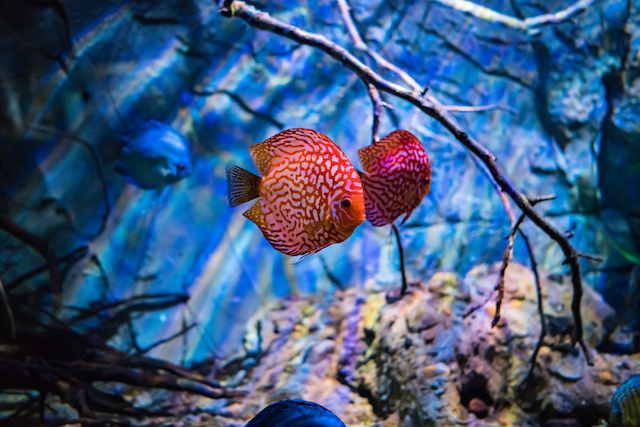
Medium-sized natural gravel avoids the problems of dyed pebbles and fine sand compaction
Equipment mistakes create ongoing problems that no amount of maintenance can fully compensate for. An undersized filter never quite keeps up with waste production. Inadequate lighting affects fish behavior and prevents plant growth. The wrong substrate can leach chemicals or trap waste.
Filtration should be rated for your tank volume or slightly larger. When choosing between two filter sizes, go with the larger one. Over-filtration is rarely a problem; under-filtration always is.
Substrate matters more than beginners realize. Brightly colored, dyed gravel may look appealing but can leach artificial dyes and chemicals into the water. Medium-sized natural gravel is the safest default — large particles create gaps that trap waste, while very fine gravel compacts and causes water stagnation in the substrate bed. Natural aquarium sand works well for species that sift through substrate, such as corydoras catfish and loaches.
Lighting should match your setup. Fish-only tanks need only 8-10 hours of light daily. Planted tanks require 10-12 hours depending on plant species. Excess lighting primarily benefits algae, leading to outbreaks that frustrate fishkeepers. Use a timer for consistency and position tanks away from direct sunlight.
Live plants are not optional extras — they actively improve water quality by absorbing nitrate, producing oxygen, and providing shelter that reduces fish stress. Even low-maintenance species like java fern, anubias, and java moss significantly benefit tank health. Excluding plants removes one of the most effective natural filtration tools available.
9. Over-Medicating Sick Fish
Fish medications are powerful chemicals that stress fish even while treating illness. Misusing them — wrong dosage, wrong diagnosis, or treating healthy fish unnecessarily — causes more harm than the disease itself.
The most common medication mistake is treating the entire main tank when only one fish is sick. Medications disrupt biological filtration, stress healthy fish, and can kill invertebrates and plants. Always isolate sick fish in a separate hospital tank for treatment.
Before Medicating, Always
- Identify the disease correctly — symptom descriptions and photos help with diagnosis
- Move the sick fish to a quarantine or hospital tank
- Follow dosage instructions exactly — more medication is not more effective
- Complete the full treatment course even if symptoms improve early
- Monitor water parameters during treatment, as medications can affect the cycle
Many common freshwater fish diseases — fin rot, ich (white spot disease), and bacterial infections — are symptoms of poor water quality rather than standalone illnesses. Before reaching for medication, test ammonia, nitrite, nitrate, and pH levels. Ammonia or nitrite above 0 ppm indicates a water quality problem that medication cannot fix. Often, correcting the underlying water quality issue through water changes and improved maintenance resolves the fish health problem without any medication at all.
For guidance on tank recovery after treating disease, see our guide on how to clean an aquarium after disease.
10. Lacking Patience
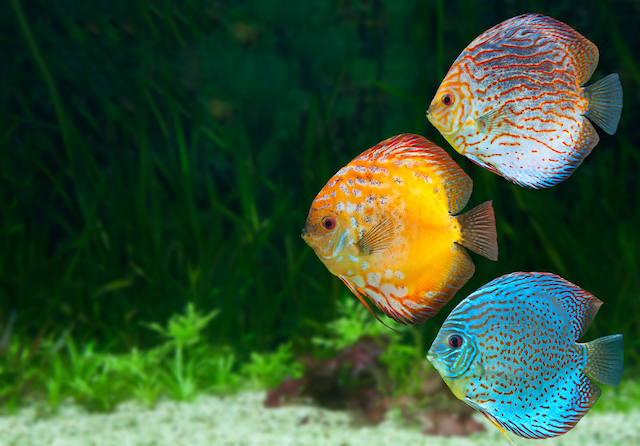
A mature, stable aquarium is the reward for patience during the early months
Impatience causes more freshwater aquarium failures than any single technical error. Rushing the nitrogen cycle triggers new tank syndrome. Adding too many fish in the first week overwhelms biological filtration. Constantly rearranging decorations, adding chemical treatments, and adjusting equipment prevents the aquarium ecosystem from stabilizing.
A freshwater aquarium is a living ecosystem that requires time to mature. Beneficial bacteria colonies need 4-6 weeks to fully establish. Freshwater fish need several days to acclimate to new surroundings and establish territory. Live aquarium plants need weeks to root and begin active growth. Interfering with these biological processes — even with good intentions — delays stability rather than accelerating it.
Successful freshwater fishkeepers share one trait: they resist the urge to intervene when patience is what the aquarium actually needs. Once a freshwater tank is properly cycled, appropriately stocked, and on a consistent maintenance schedule, the aquarium should not require constant adjustment. Regular weekly maintenance is essential; daily fiddling is counterproductive.
Three Principles That Prevent Most Problems
Research before you act. Understand each species, product, and technique before committing. Patience before you panic. Most aquarium problems resolve with time and consistent care, not emergency interventions. Consistency in maintenance. A reliable weekly routine prevents more problems than any product or gadget.
What to Do When You’ve Already Made a Mistake
Every fishkeeper makes mistakes — the goal is recognizing problems quickly and correcting course before lasting damage occurs. Fixing most freshwater aquarium problems starts with the same three steps: test water parameters with a liquid test kit, perform a 25% water change with dechlorinated water, and stop doing whatever caused the problem.
Avoid trying to fix everything at once. Rapid changes to water chemistry stress fish as much as the original problem did. Make one correction at a time, give the freshwater aquarium 48-72 hours to stabilize, then retest and reassess. Gradual improvement is always safer than dramatic intervention.
For a complete beginner setup guide that avoids all of these fishkeeping mistakes from day one, see our guide on how to cycle a freshwater aquarium. For ongoing care guidance, browse all of our freshwater aquarium care guides.
What is the most common mistake new fish keepers make?
Not cycling the tank before adding fish is the most common and most deadly fishkeeping mistake. New aquariums lack the beneficial bacteria colonies that convert toxic ammonia into less harmful nitrate. Adding fish to an uncycled tank exposes them to ammonia and nitrite poisoning, often killing them within the first two weeks. The nitrogen cycle takes 4-6 weeks to establish naturally, though bacterial supplements can reduce this to 2-4 weeks.
How long should I wait before adding fish to a new tank?
Wait at least 4-6 weeks for the nitrogen cycle to complete before adding fish to a new aquarium. Use a liquid test kit to confirm ammonia reads 0 ppm, nitrite reads 0 ppm, and nitrate is present before introducing any fish. Bacterial supplements like API Quick Start or Fritz TurboStart can reduce cycling time to 2-4 weeks, but always verify with test results rather than guessing.
How do I know if I'm overfeeding my fish?
Signs of overfeeding include uneaten food on the substrate after 2-3 minutes, cloudy water, excessive algae growth, and elevated ammonia or nitrate readings. A fish's stomach is roughly the size of its eye — they need far less food than most beginners expect. Feed once or twice daily, only what fish consume within 2-3 minutes, and skip one day per week to allow digestive rest.
Can I clean my aquarium filter with tap water?
Never clean filter media in tap water. Chlorine and chloramine in municipal tap water kill beneficial bacteria on contact, destroying the biological filtration your tank depends on. Always rinse filter media in a bucket of old tank water removed during a water change. This removes debris while preserving the bacterial colonies that keep your fish alive.
What size tank is best for a beginner?
A 20-30 gallon aquarium is the best starting size for beginners. Larger water volumes are more chemically stable — temperature, pH, and ammonia levels fluctuate less in 30 gallons than in 5 gallons. This extra stability gives beginners more margin for error while they learn. Despite seeming counterintuitive, larger tanks are actually easier to maintain than small ones.
How many fish can I put in my tank?
Stocking depends on species size, activity level, filtration capacity, and territory requirements — not just tank volume. The old one inch of fish per gallon rule is unreliable because it ignores body mass, waste output, and swimming needs. Research each species individually and stock conservatively. A lightly stocked tank with strong filtration is always healthier than a fully stocked one.
Why do my fish keep dying?
Fish dying repeatedly almost always traces back to one of three root causes: an uncycled tank (new tank syndrome), poor water quality from inadequate maintenance, or overstocking. Test your water immediately — ammonia and nitrite above 0 ppm indicate a cycling or filtration problem. Perform a 25% water change, stop feeding for 24 hours, and identify which of the 10 common fishkeeping mistakes applies to your situation.
What is new tank syndrome?
New tank syndrome is the rapid death of fish in a newly set up aquarium caused by ammonia and nitrite poisoning. New tanks lack the beneficial bacteria colonies (Nitrosomonas and Nitrobacter) that convert toxic fish waste into less harmful nitrate. Without these bacteria, ammonia from fish waste accumulates to lethal levels within days. New tank syndrome is entirely preventable by cycling the aquarium for 4-6 weeks before adding fish.
How often should I clean my fish tank?
Perform 10-20% water changes weekly, vacuum the gravel during each water change, and rinse filter media monthly in old tank water — never under the tap. Daily checks should include verifying the filter is running, the heater is at the correct temperature, and fish appear healthy. Avoid deep-cleaning the entire tank at once, as this destroys beneficial bacteria colonies and can trigger a dangerous mini-cycle.
Do fish need a filter?
Every freshwater aquarium requires a filter running 24 hours a day, 7 days a week. Filters provide three types of filtration: mechanical (removing debris), chemical (absorbing toxins), and biological (housing the beneficial bacteria that process ammonia). Live plants supplement filtration by absorbing nitrate, but plants alone cannot replace the biological filtration a filter provides. Even small tanks and heavily planted setups need a functioning filter.
Related Topics
Found this helpful?
Share this guide with your fellow aquarium enthusiasts!

Written by
Ynes Carrillo
Ynes grew up in the Andes mountains of Venezuela, where she spent decades as a teacher and cultivated a lush garden of native and non-native plants around her backyard fish pond. She holds a Master's degree in Education and now lives in Texas, where she keeps a low-tech planted aquarium and tends a vegetable garden. Though retired from the classroom, Ynes channels her lifelong passion for teaching into helping others succeed with fishkeeping and aquatic plants.