

Caring for aquarium fish while on vacation requires preparation, but most setups handle short absences well. Healthy adult fish survive 2-4 days without food, and with an automatic feeder or fish-sitter, tanks can stay stable for weeks. The key is planning before you leave — performing water changes, testing equipment, and setting up reliable feeding. This guide covers every option, from letting fish fast on short trips to hiring professional fish-sitters for extended travel.
The Good News
Fish are generally lower-maintenance than other pets during your absence. A healthy, mature aquarium with good filtration can often sustain itself for short periods. The key is preparation before you leave and knowing which feeding option suits your trip length.
How Long Can Fish Go Without Food?
Most healthy adult fish tolerate short fasts better than you might expect. In the wild, meals aren’t always consistent, so fish have evolved to handle periods without food. The exact duration depends on species, age, weight, and health status.
Fasting Tolerance by Species
Survival vs. Thriving
These timeframes represent survival limits, not optimal care. Two goldfish once survived 134 days without food after the 2011 Christchurch earthquake in New Zealand — but that’s an extreme survival case, not a care recommendation. Extended fasting causes stress, weakens immune systems, and can trigger aggression in community tanks. For any trip over 4-5 days, arrange a feeding solution.
Vacation Feeding Options
Option 1: Let Them Fast (Short Trips)
For trips of 2-4 days, healthy adult fish often need no special feeding arrangements. Skipping food for a few days is actually safer than many alternatives — there’s no risk of overfeeding, no equipment failure to worry about, and no well-meaning helpers dumping too much food into the tank.
Best for: Weekend trips with healthy adult fish in established tanks.
Option 2: Vacation Feeder Blocks
Vacation feeder blocks are hard, densely packed blocks that slowly dissolve in your aquarium, gradually releasing food over several days. They’re inexpensive and easy to find at any pet store — making them a useful fallback for unexpected trips.
Feeder Block Drawbacks
- Fish may ignore them entirely or overeat
- Plaster-based blocks can cloud water as they dissolve
- Unpredictable release rate — too fast or too slow
- Some contain fillers that cause bloating in greedy eaters
- Limited monitoring — no way to control portions
- May affect water chemistry in smaller tanks
Better alternatives within this category: The Tetra Gel Fish Feeder outperforms traditional plaster blocks because it doesn’t disintegrate the same way — food stays contained and releases more predictably. TetraMin Holiday Food is another option designed for extended absences. Always test any vacation feeder block for several days before your trip to see how your fish respond.
Best for: Budget option for trips of 3-7 days when fish have previously accepted them.
Option 3: Automatic Fish Feeders
Battery-powered or electric automatic fish feeders dispense pre-programmed food quantities at set times each day. Automatic feeders are the most reliable option for extended absences because they use your fish’s regular food and offer consistent portion control.
Automatic Feeder Benefits
- Consistent portion control with adjustable amounts
- Programmable schedules (1-4 times daily)
- Use your fish's regular flake or pellet food
- Most have moisture-proof compartments to keep food fresh
- Battery-operated models continue working during power outages
- Can go weeks between refills for extended trips
Critical: Set up and test your automatic feeder at least one week before departure. Verify that portions are correct, the mechanism dispenses reliably, and food isn’t clumping from moisture. A feeder that suddenly stops working while you’re away could be disastrous.
For our top picks, see our guide to the best automatic fish feeders.
Best for: Trips of one week or longer — the most reliable automated feeding option.
Option 4: Fish-Sitter
A fish-sitter is a trusted person who visits your home to feed and monitor your aquarium. This provides the most comprehensive care but requires finding someone reliable who won’t accidentally harm your fish with good intentions.
Fish-Sitter Responsibilities
- Feed pre-portioned amounts on the schedule you set
- Check that heater, filter, and air pump are running
- Top off water if levels drop noticeably
- Observe fish for signs of illness (gasping, lethargy, white spots)
- Contact you if anything looks wrong
- Administer medication if needed (use pre-filled pill containers)
Finding a fish-sitter: Ask family, friends, neighbors, or colleagues. Local aquarium shops sometimes recommend experienced hobbyists. For longer trips, platforms like Trustedhousesitters.com connect travelers with verified, police-checked sitters who stay in your home in exchange for caring for your pets — including fish. Many provide photo updates for peace of mind.
The Overfeeding Problem
The #1 mistake fish-sitters make is overfeeding. “The fish looked hungry” leads to polluted water and sick fish — learn the signs of overfeeding so you can brief your sitter. Pre-portion all food into labeled daily containers — one container per feeding. Better yet, tell your sitter it’s okay to skip a day if they’re unsure about amounts.
Best for: Extended trips, sensitive species, or complex setups requiring hands-on care.
Option 5: Professional Fish Boarding
Some aquarium shops and specialized facilities offer fish boarding services, housing and caring for your fish professionally while you’re away.

Some local aquarium stores offer fish boarding — ask your favorite shop
Considerations:
- More expensive than other options, but provides professional expertise
- Transport can stress fish — acclimate carefully in both directions
- Best for very long trips (weeks to months) when in-home care isn’t available
- Research the facility thoroughly — ask about their tank setups, water parameters, and feeding protocols
Pre-Vacation Tank Preparation
Proper preparation before leaving matters as much as feeding arrangements. A clean, stable tank with well-maintained equipment gives your fish the best chance of staying healthy throughout your absence.
Vacation Preparation Checklist
Perform a water change 3-5 days before departure
Do a 20-25% partial water change a few days before leaving — not the day you depart. This removes accumulated waste and toxins while giving the tank time to stabilize. Avoid full water changes, which can stress fish right before an unsupervised period.
Clean the filter
Rinse filter media in old tank water (never tap water) to ensure good flow throughout your absence. Don't do this the same day as water changes — space maintenance tasks apart to avoid shocking the system. For details on safe filter maintenance, see our guide on how to change filter media without losing beneficial bacteria.
Test water parameters
Use an aquarium test kit to verify ammonia (0 ppm), nitrite (0 ppm), and nitrate (under 40 ppm). Address any issues before leaving — you won't be there to fix problems. See our guide to the best aquarium test kits for reliable options.
Check all equipment
Verify that your heater, filter, and air pump are working properly. Replace anything questionable now rather than risking equipment failure while you're away. Pay special attention to heater thermostat accuracy.
Set up light timers
Install timers to maintain normal 8-10 hour day/night cycles. Many modern LED lights include built-in timers. Consistent lighting reduces fish stress and benefits any live plants in your aquarium.
Test your feeding solution
If using an automatic feeder or vacation blocks, set them up and run them for at least one week before departure. Verify portions, timing, and reliability. Adjust settings based on how your fish respond.
Prepare written instructions
Leave clear instructions for anyone checking on your tank, including emergency contacts, your vet or local fish store number, and a list of what NOT to do (don't overfeed, don't add chemicals, don't tap the glass).
Managing Specific Concerns
Water Quality During Your Absence
Water quality is the biggest risk factor during extended vacations. Fish produce waste continuously, and without regular water changes, ammonia and nitrite levels can rise above 0 ppm — any detectable level is harmful — while nitrate can exceed the 40 ppm safe threshold. For more on maintaining safe levels, see our guide to fish tank pH and water parameters.
Key water quality strategies:
- Perform a partial water change (20-25%) a few days before — never a full water change, which destabilizes the tank
- Reduce feeding slightly in the days leading up to departure to lower waste production
- If water returns cloudy after your trip, test parameters immediately and do a partial water change
- For tanks under 2 gallons, perform an 80% water change before leaving and arrange a 100% change upon return. Tanks this small accumulate toxins rapidly
- One-gallon tanks need daily water changes and must have a fish-sitter — they cannot be left unattended
Automatic Water Top-Off Systems
Evaporation continues while you’re away, potentially exposing heaters or reducing filter efficiency. For trips longer than a week, an automatic top-off (ATO) system can prevent water level problems.
Two types of ATO systems:
- Gravity-fed systems work passively — a reservoir slowly refills the tank as the water level drops. No electricity required, making them reliable during power outages.
- Sensor-activated pump systems use a float sensor to detect water level and pump replacement water from a reservoir. More precise but requires electricity and a backup power source for extended trips.
Whichever system you choose, test it for several days before leaving to verify it maintains the correct water level without overfilling.
Lighting
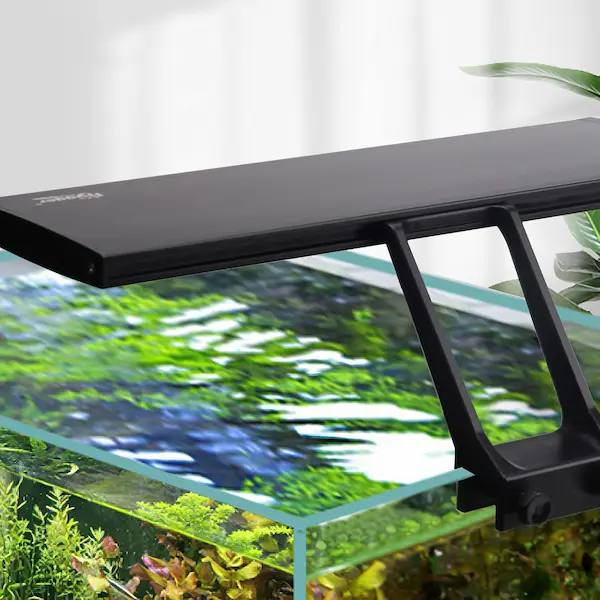
Use timers to maintain consistent light cycles while you're away
Fish adapt to regular day/night cycles, and disrupting this routine causes stress. Use automatic timers to maintain consistent 8-10 hour lighting schedules throughout your absence. Irregular lighting also promotes algae blooms, which can further degrade water quality.
Tanks with live plants or saltwater corals especially need consistent lighting — plants rely on predictable light periods for photosynthesis. Many modern LED aquarium lights include built-in timers, but inexpensive plug-in timers work just as well.
Temperature
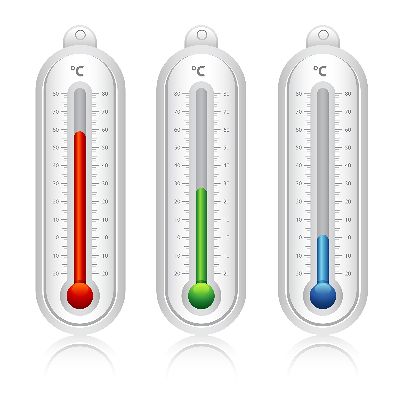
Stable temperature is essential for fish health during your absence
Ensure your aquarium heater is reliable and properly calibrated before leaving. Temperature swings stress fish and weaken their immune systems — particularly dangerous when you’re not there to intervene.
Temperature Management Tips
- Set home AC to activate around 80°F in summer to prevent overheating
- Verify home heating works in winter — a cold snap could be fatal
- Test heater thermostat accuracy for several days before departure
- Use a heater with automatic shut-off at optimal temperature
- Communicate proper temperature ranges to any fish-sitter
Metabolism strategy for short trips: Reducing your aquarium water temperature by a few degrees (staying within the safe range for your species) slows fish metabolism, which decreases food requirements and waste production. This can help during short absences when fish are fasting. Only use this approach short-term — it’s not a substitute for proper feeding on longer trips.
Small Tanks
Tanks under 5 gallons are problematic for vacations. Water quality deteriorates quickly in small volumes, and there’s very little buffer for problems.
Small Tank Warning
Tanks under 2 gallons need daily water changes and aren’t suitable for unsupervised periods. If you have a very small tank, arrange for a fish-sitter or consider upgrading to a 10-gallon tank kit before your trip — a 10-gallon setup is far more forgiving during absences than a nano setup.
What to Tell Your Fish-Sitter
If someone is caring for your tank, clear written instructions prevent most problems. Don’t assume they know anything about fish care — spell everything out.
Essential Fish-Sitter Instructions
- Exact feeding amounts — pre-portioned into labeled daily containers
- Feeding schedule and which specific food to use
- What normal fish behavior looks like in your tank
- Warning signs to watch for (gasping at surface, lethargy, white spots, cloudy water)
- Your contact info plus local fish store and vet phone numbers
- What NOT to do (don't overfeed, don't add chemicals, don't tap glass, don't adjust equipment)
- How to turn off equipment in an emergency
Trip Duration Guidelines
Weekend (2-3 days):
- Healthy adult fish need no special feeding arrangements
- Feed normally before leaving
- Ensure all equipment is running properly
One week:
- Use an automatic feeder or arrange a fish-sitter
- Perform a partial water change 3-5 days before leaving
- Have someone check the tank mid-week if possible
Two weeks:
- Automatic feeder strongly recommended
- Arrange at least one in-person tank check
- Prepare for a possible water change while you’re away
- Consider an automatic water top-off system
Longer than two weeks:
- Fish-sitter or professional boarding recommended
- Plan for water changes during your absence
- Consider temporarily rehoming fish with an experienced friend
- Automatic feeder plus regular check-ins at minimum
Conclusion
Most aquariums handle short vacations well with minimal preparation. For longer trips, invest in a quality automatic fish feeder and arrange for someone to check the tank periodically. The key is preparation — test your solutions before you leave, perform maintenance a few days beforehand, and leave clear written instructions for anyone helping out. With proper planning, you can enjoy your vacation knowing your fish are safe and healthy at home.
How long can fish survive without food?
Most healthy adult fish can survive 3-7 days without food. Some species tolerate longer fasts — goldfish can go 8-14 days, while bettas manage 4-7 days. Cichlids may survive up to two weeks, though this is not recommended. For trips over a week, arrange feeding.
Are vacation feeder blocks good for fish?
Vacation feeder blocks work but have drawbacks. Fish may ignore them, they can cloud water, and some fish bloat from overeating. Gel-based feeders like the Tetra Gel Fish Feeder perform better than plaster blocks because they don't disintegrate as quickly. Automatic feeders are generally more reliable for trips over a few days.
Should I do a water change before vacation?
Yes, perform a partial water change (20-25%) a few days before leaving — not the day of departure. This gives the tank time to stabilize and removes accumulated waste. Avoid major changes right before leaving, as they can stress fish when you're not there to monitor.
Can I leave my fish for 2 weeks?
Two weeks without intervention is risky for most setups. While some fish survive this duration without food, water quality often deteriorates. For two-week trips, use an automatic feeder, have someone check the tank at least once, and ensure your filtration can handle the extended period.
Do I need an automatic water top-off system for vacation?
For trips under a week, topping off the tank before leaving is usually sufficient. For longer absences, an automatic top-off (ATO) system prevents evaporation from exposing heaters or reducing filter efficiency. Gravity-fed ATO systems don't require electricity and work well for most freshwater setups.
Related Topics
Found this helpful?
Share this guide with your fellow aquarium enthusiasts!
Written by
FTW Team
The FishTankWorld editorial team brings together experienced aquarists to help you succeed in the hobby.