
Find Your Perfect Aquarium Fish
Explore care guides for Betta splendens, goldfish, and tropical species. Take our quiz to find the perfect match for your tank, or dive into comprehensive species guides.
Find Your Perfect Fish
Answer 3 quick questions and we'll recommend the ideal species for your setup.
Question 1 of 3
What size tank do you have (or plan to get)?
Explore by Species
Dive into our most popular fish categories with detailed care guides for every skill level.
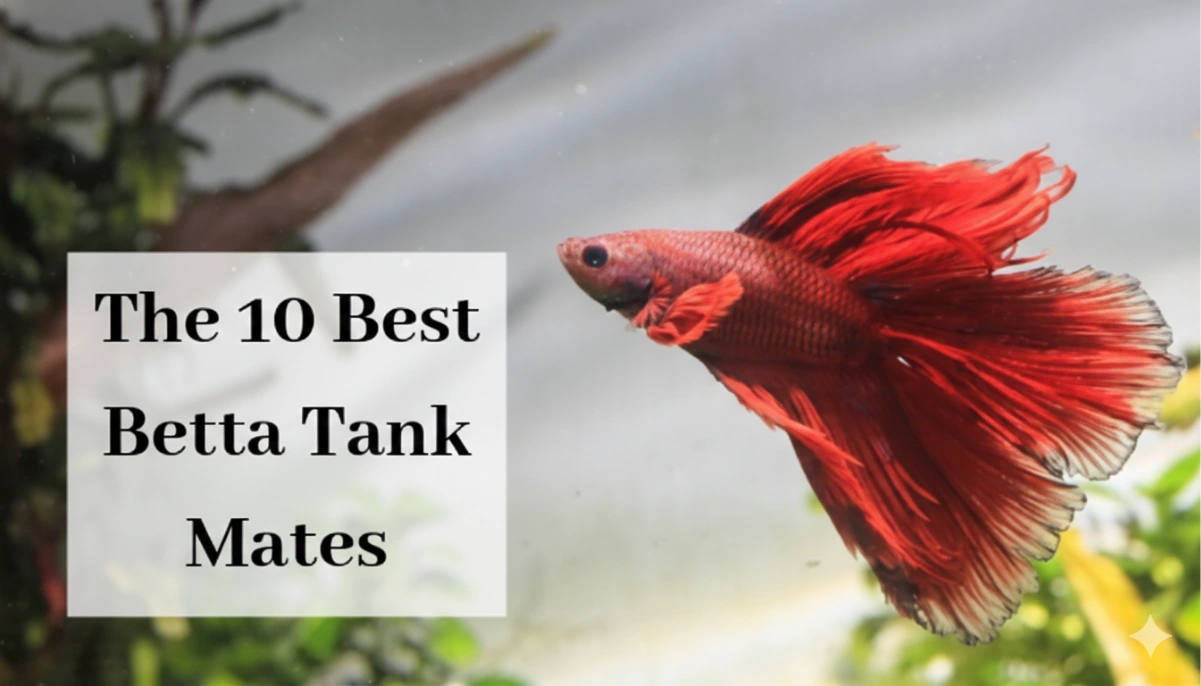
Betta Fish
Vibrant colors, bold personalities, and flowing fins. The most popular tropical aquarium fish.
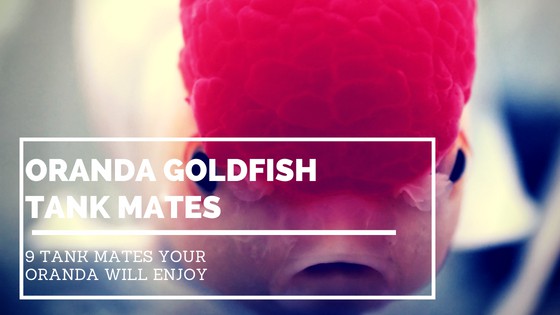
Goldfish
From fancy orandas to hardy commons. Long-lived fish that recognize their owners.

General Care
Universal fishkeeping knowledge — stocking rules, buying tips, and essential care advice.
Popular Fish Guides
Our most-read care guides covering betta fish, goldfish, and essential fishkeeping topics.
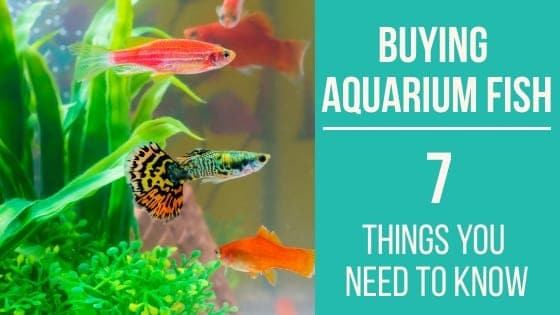
7 Factors to Consider When Buying Aquarium Fish
Essential guide to purchasing healthy aquarium fish. Learn how to evaluate fish health, species compatibility, tank size requirements, and food needs before buying your first fish.
Read Guide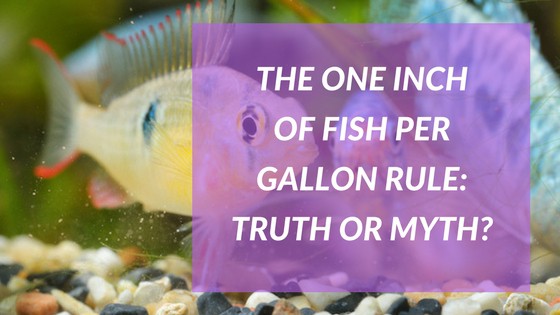
The One Inch of Fish Per Gallon Rule: Truth or Myth?
Is the one inch of fish per gallon rule reliable? Learn why this popular stocking guideline has limitations and how to properly stock your aquarium.
Read Guide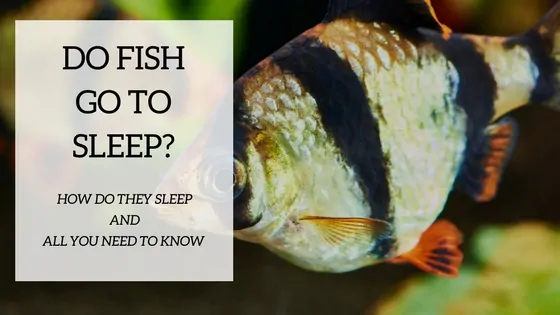
Do Fish Sleep? How Aquarium Fish Rest and Why It Matters
Fish sleep differently from any other pet you've kept. Learn how fish rest with open eyes, which species sleep at night vs. day, how to tell if a fish is sleeping or sick, and what your aquarium lighting has to do with it.
Read Guide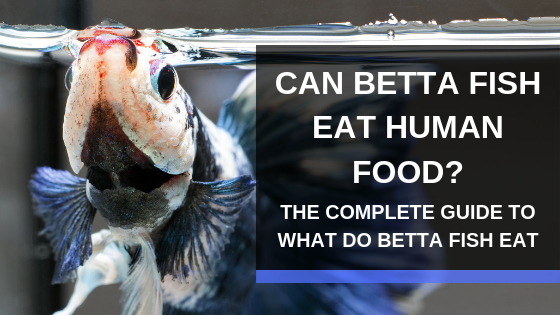
Can Betta Fish Eat Human Food? What's Safe and What's Dangerous
Complete guide to feeding betta fish human food. Learn which foods are safe as occasional treats, which are dangerous, and what bettas should actually eat for a healthy diet.
Read Guide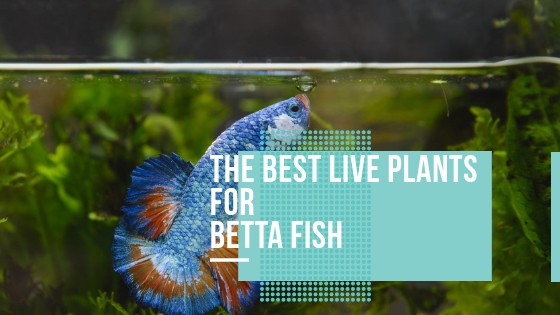
10 Best Easy Live Plants for Betta Tanks
Discover the best easy live plants for betta fish tanks. From Java Fern to Amazon Sword, learn which beginner-friendly plants bettas love and how to care for them.
Read Guide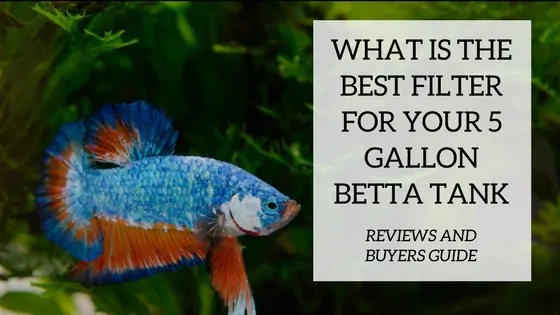
The Best Filter Options for a 5-Gallon Betta Fish Tank Compared
We compared sponge filters, HOB filters, and internal filters to find the best options for 5-gallon betta tanks. Detailed reviews with flow rates, filtration types, maintenance needs, and which bettas each filter suits best.
Read Guide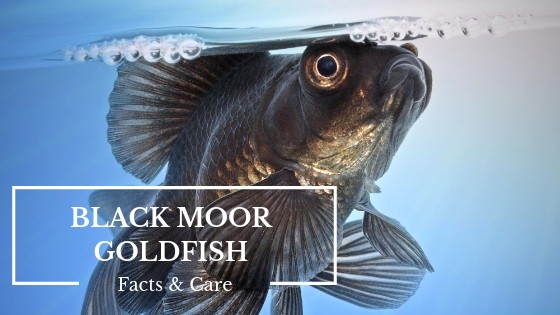
The Ultimate Guide to Black Moor Goldfish Care
Complete care guide for Black Moor goldfish covering tank setup, feeding, water conditions, and compatible tank mates. Learn how to keep these unique telescope-eyed fancy goldfish healthy.
Read Guide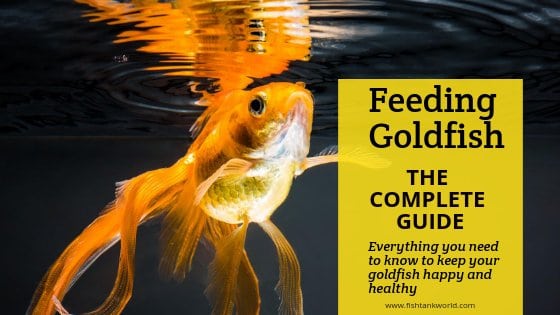
The Complete Guide to Feeding Goldfish
Learn everything about feeding goldfish - what, when, and how much to feed. Includes fresh food ideas, commercial food recommendations, and foods to avoid.
Read Guide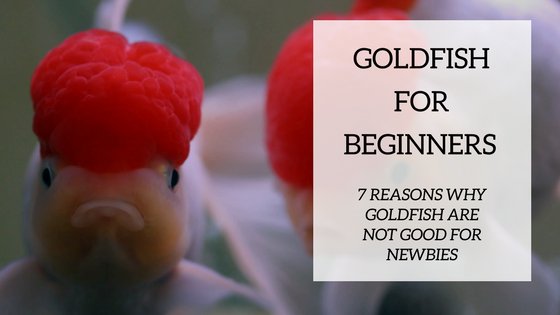
Goldfish Care: Why They're Harder Than You Think
Think goldfish are easy beginner fish? Learn the truth about goldfish care requirements including tank size, filtration, temperature, diet, and why they often die in bowls.
Read GuideFascinating Fish Facts
Surprising biology and behavior that makes aquarium fish endlessly interesting.
Goldfish Can Live 20+ Years
With proper care in a filtered, spacious tank, goldfish (Carassius auratus) routinely live 10-20 years. The oldest recorded goldfish reached 43 years.
Bettas Recognize Their Owners
Betta fish (Betta splendens) can distinguish their owner from strangers and will swim to the front of the tank when a familiar person approaches.
Fish Sleep With Eyes Open
Most fish lack eyelids, so they rest with their eyes open. During sleep, fish reduce activity and metabolism but remain alert to predators through their lateral line system.
Goldfish Have No Stomach
Goldfish are agastric — food passes directly from the esophagus to the intestine. This is why they produce so much waste and should be fed small, frequent meals rather than large ones.
Labyrinth Organ Lets Fish Breathe Air
Bettas and gouramis possess a labyrinth organ — a specialized structure that extracts oxygen directly from air gulped at the surface. This evolved in oxygen-poor Southeast Asian waters.
Fish Can Hear
Fish detect sound vibrations through otoliths (ear stones) in their inner ear and their lateral line system. Loud noises and vibrations near a tank cause measurable stress responses.
Essential Fishkeeping Knowledge
The foundational topics every aquarium keeper needs to understand, from species selection to daily care.
Choosing the Right Species
Selecting aquarium fish requires matching species requirements to your specific setup. Consider the adult size of any fish — a common plecostomus (Hypostomus plecostomus) reaches 18 inches, far too large for most home aquariums. Begin with hardy, forgiving species: betta fish for tanks under 10 gallons, neon tetras (Paracheirodon innesi) or corydoras catfish for 10-20 gallon communities, and fancy goldfish for 20+ gallon coldwater setups. Always research temperament, preferred water parameters (pH, temperature, hardness), and compatibility before purchasing. Avoid impulse buying — the most common cause of fishkeeping failure is stocking incompatible species or overstocking a tank.
Water Parameters & the Nitrogen Cycle
Water quality determines fish health more than any other factor. The nitrogen cycle is the biological process where beneficial bacteria (Nitrosomonas and Nitrospira) convert toxic ammonia (NH₃) from fish waste into nitrite (NO₂⁻), then into less harmful nitrate (NO₃⁻). A fully cycled tank maintains 0 ppm ammonia, 0 ppm nitrite, and nitrate below 20 ppm. Cycle a new tank for 4-6 weeks before adding fish. Test weekly with a liquid test kit — not strips, which are less accurate. Perform 20-25% water changes weekly using dechlorinated water temperature-matched to the tank. Most freshwater species thrive at pH 6.5-7.5 and 74-80°F (23-27°C).
Feeding & Nutrition
Aquarium fish fall into three dietary categories: carnivores (bettas, puffers), omnivores (tetras, guppies, corydoras), and herbivores (plecos, mollies). Feed a species-appropriate staple — betta pellets for bettas, sinking wafers for bottom-feeders, spirulina flakes for herbivores. Supplement with frozen bloodworms, brine shrimp, or daphnia two to three times weekly for variety. The most critical rule: feed only what fish consume in two minutes, twice daily. Uneaten food decomposes into ammonia, the leading cause of poor water quality. Fast all fish one day per week to aid digestion. A fish's stomach is roughly the size of its eye — overfeeding causes bloating, constipation, and swim bladder disorders.
Tank Setup Fundamentals
A proper aquarium setup includes five essential components: a tank (glass or acrylic, sized for your target species), a filter (rated for your tank volume — sponge filters for bettas, HOB or canister for larger setups), a heater (adjustable, 5 watts per gallon for tropical fish), substrate (gravel or sand — inert for most fish, nutrient-rich for planted tanks), and lighting (8-10 hours daily on a timer). Add hiding spots with driftwood, rocks, or live plants like Anubias barteri and Microsorum pteropus (Java fern). Position the tank away from direct sunlight and temperature fluctuations. Run the full setup, including the filter, for the complete nitrogen cycle period before introducing any fish.
Follow Fish Tank World on Pinterest
Get weekly tank inspiration, species care infographics, aquascaping ideas, and species spotlight pins delivered to your feed.
Frequently Asked Questions
Quick answers to the most common fishkeeping questions.
What are the best fish for beginners?
How many fish can I put in my tank?
Do aquarium fish need a filter?
How often should I feed my fish?
Can different fish species live together?
How long do aquarium fish live?
What temperature should my fish tank be?
How can I tell if my fish is sick?
Explore More
Continue your fishkeeping journey across Fish Tank World.
Aquariums Hub
Equipment, care guides, and setup tips for freshwater aquariums.
Saltwater Hub
Marine fish, corals, reef tanks, and saltwater equipment guides.
Shrimp & Snails
Cherry shrimp, ghost shrimp, and other freshwater invertebrates.
Aquarium Plants
Live plants, substrates, and planted tank guides for all skill levels.