
Aquariums are miniature ecosystems that depend on balanced bacteria, organic material, and stable water chemistry to function properly. Knowing when and how to clean a fish tank is a fundamental skill for any aquarist — yet many beginners either neglect maintenance or overdo it, both of which lead to sick fish and cloudy water.
Effective tank maintenance is about consistency, not intensity. Regular small interventions maintain stable water quality while preserving the beneficial bacteria colonies your fish depend on. This guide covers the complete cleaning routine: water changes, gravel vacuuming, filter maintenance, and the tools that make the job easier. For ongoing prevention tips between cleanings, see our companion guide on how to keep your fish tank clean.
The Key Principle
Your aquarium functions as a living ecosystem. The beneficial bacteria coating your filter media, substrate, and decorations are essential to converting toxic ammonia into less harmful compounds. Every cleaning decision should prioritize preserving these bacterial colonies while removing accumulated waste.
How Often Should You Clean Your Fish Tank?
Fish tank cleaning frequency depends on several factors: tank size, number and type of fish, filtration capacity, whether live plants are present, and water type (coldwater versus tropical, freshwater versus saltwater). A heavily stocked 10-gallon goldfish tank needs far more frequent attention than a lightly stocked 55-gallon planted community tank.
For water changes specifically, a 10-25% partial water change weekly is a reliable starting point. Online stocking calculators like AqAdvisor.com can help determine the ideal water change percentage based on your specific tank population and filtration.
Cleaning Schedule by Tank Size
Small tanks (5-10 gallons) require the most consistent maintenance. Small water volumes amplify waste buildup rapidly, so weekly partial water changes and gravel vacuuming are essential — not optional. Pollution levels can spike suddenly in small fish tanks if maintenance lapses even briefly.
Medium tanks (15-60 gallons) benefit from weekly partial water changes, though the margin for error is greater. A well-filtered, lightly stocked 40-gallon tank can tolerate slight schedule variations better than a small tank.
Large, established tanks (75+ gallons) with mature filtration and moderate stocking may extend water changes to every 10-14 days. However, weekly changes remain the gold standard for optimal fish health in any large aquarium.
Daily Tasks
Daily Inspection Checklist
- Inspect each fish for health — check fins, scales, coloring, and slime coat for abnormalities
- Watch for stress behaviors like gasping at the surface, clamped fins, or hiding
- Check all equipment is running: filter flow, heater indicator, air pump output
- Remove any visible uneaten food or floating debris — persistent leftover food is a sign of overfeeding
- Examine live plants for yellowing leaves or rotting — remove dead plant material promptly
- Count fish in schooling groups to catch deaths early before decomposition affects water quality
Weekly Tasks
- 10-25% partial water change with treated water
- Algae removal from glass as needed
- Quick gravel vacuuming of visible debris areas
Monthly Tasks
- Test water parameters: ammonia, nitrite, nitrate, and pH levels using a quality test kit
- Record results to track trends over time
- Clean or replace filter cartridges according to filter type
- Replace chemical filter media (activated carbon)
- Clean air stones by boiling or replacing them
- Check expiration dates on water conditioner, test kit reagents, and food
Semi-Annual Tasks
- Deep equipment inspection and cleaning of hoods, pumps, and light fixtures
- Check heater accuracy with an independent thermometer
- Replace fluorescent bulbs if applicable (output degrades over time)
Adjust for Your Specific Tank
Tanks with messy fish like goldfish or large cichlids need more frequent maintenance. Planted tanks with low fish loads may need less. The best indicator is your water test results — if nitrates consistently climb above 40 ppm between water changes, increase your water change frequency or volume.
Essential Cleaning Tools
Fish tank cleaning requires a few dedicated tools. Gather these supplies before your first cleaning session, and dedicate them exclusively to aquarium use — never use buckets or tools that have held soap, cleaning chemicals, or other household substances.
Required Equipment
- Two clean buckets — one for removing old water, one for preparing treated replacement water
- Gravel vacuum with siphon — combines water removal with substrate cleaning in one step
- Algae scraper — choose a blade style for glass tanks or a pad scraper for acrylic tanks
- Floating magnetic algae cleaner — allows quick daily wipe-downs without getting hands wet. We recommend the Mag-Float
- Fish net — for removing debris or relocating fish when necessary
- Filter brush — thin bristle brush for cleaning intake tubes, impellers, and filter housings
- Water conditioner/dechlorinator — essential for treating tap water before it enters the tank. We recommend Seachem Prime water conditioner
- Liquid water test kit — for monitoring ammonia, nitrite, nitrate, and pH levels
Recommended Cleaning Products
Several cleaning tools stand out for aquarium maintenance. The Kirecoo Algae Scraper features a stainless steel blade with 10 interchangeable heads and a telescoping handle that extends from 18 to 26 inches, making it effective for reaching deep into tall tanks. The right-angle blade head cleans corners that flat scrapers miss.
For aquarists with glass tanks who prefer a gentler touch, the SLSON Aquarium Algae Scraper offers a double-sided sponge brush on a 15-inch non-slip handle with a hanging hole for convenient storage. Note that the SLSON scraper is designed for glass tanks only — the abrasive side can scratch acrylic and plastic surfaces.
For a comprehensive starter kit, the AQUANEAT 5-in-1 Fish Tank Cleaner Kit includes a fish net, stainless steel algae blade, gravel rake, flat sponge cleaner, and plant fork — all with easy-swap attachments on a telescoping handle that extends to 32.5 inches. The extended reach cleans deep tanks without getting hands wet, and the stainless steel scraper handles tough algae buildup that sponges alone cannot remove.
How to Change Aquarium Water
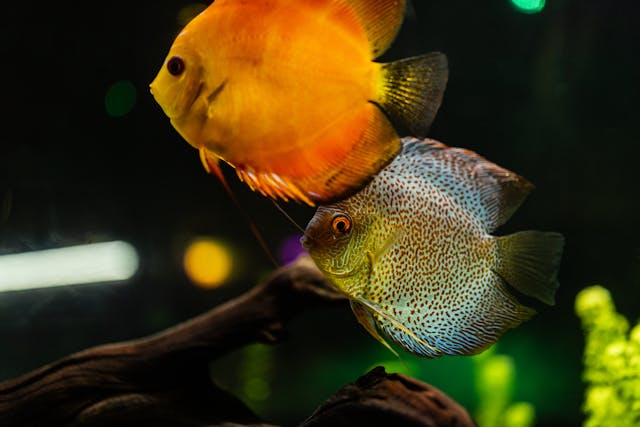
Regular partial water changes are the single most important maintenance task for fish health
Partial water changes are the foundation of fish tank maintenance. Replacing 10-25% of tank water weekly dilutes accumulated nitrates, replenishes trace minerals, and removes dissolved organic waste that filtration alone cannot eliminate.
Water Change Procedure
Prepare replacement water in advance
Fill a clean bucket with tap water and add dechlorinator according to product directions. Alternatively, fill the bucket the night before and let it sit uncovered overnight — chlorine dissipates naturally over 24 hours. However, dechlorinator is faster and also neutralizes chloramine, which does not evaporate on its own.
Unplug the heater if water level will drop below it
Aquarium heaters can crack if exposed to air while hot. Unplug the heater 15-20 minutes before starting to allow it to cool. Submersible heaters must remain fully underwater during operation.
Scrape algae from glass before draining water
Clean algae from the aquarium glass first so the loosened algae can be siphoned out with the old water. Use a metal blade scraper for glass tanks or a plastic pad scraper for acrylic tanks to avoid scratching.
Start the siphon and vacuum the gravel
Place the wide end of the gravel vacuum into the substrate and the narrow end into your waste bucket. Most gravel vacuums start with a few pumps or by submerging the tube and lifting. Work through the gravel section by section, pushing the vacuum into the substrate and letting debris flow up into the tube.
Remove 10-25% of tank water while vacuuming
Combine water removal with gravel cleaning to accomplish both tasks simultaneously. Stop when you have removed the target amount. Ensure hands are clean and completely free of any soap or lotion residue before putting them in the tank.
Add treated replacement water slowly
Pour the prepared water gently to avoid disturbing substrate or stressing fish. Pouring against your hand, a plate, or a decoration diffuses the flow and prevents blasting the substrate. Match the replacement water temperature to the tank water within 1-2°F.
Restore equipment and observe
Plug the heater back in once water covers it completely. Confirm the filter is running with normal flow. Watch fish for the next hour for any signs of stress from the water change.
Never Add Untreated Tap Water
Chlorine and chloramine in municipal tap water are lethal to fish and destroy the beneficial bacteria in your filter. Always treat tap water with a quality water conditioner before adding it to the aquarium. There are no exceptions to this rule.
How to Clean Your Aquarium Filter
Aquarium filter maintenance is frequently done incorrectly. The most common mistake is cleaning filter media under tap water, which kills the beneficial bacteria colonies that perform biological filtration. Proper filter maintenance preserves these bacteria while restoring mechanical filtration efficiency. For a detailed walkthrough on changing filter media without losing bacteria, see our dedicated guide.
Different Filter Media Types Require Different Care
Mechanical filter media (sponges, filter floss, polyester pads) traps particulate debris and clogs gradually over time. Rinse mechanical media every 2-4 weeks by squeezing it in old tank water removed during a water change. Replace sponges only when they no longer rinse clean or begin to fall apart.
Chemical filter media (activated carbon, Purigen, phosphate removers) adsorbs dissolved waste through chemical bonding. Activated carbon exhausts its capacity after 3-4 weeks and must be replaced — rinsing does not restore its effectiveness. Replace chemical media on a monthly schedule, or more frequently if water becomes cloudy between changes.
Biological filter media (ceramic rings, bio-balls, lava rock, sintered glass) provides surface area for beneficial nitrifying bacteria colonies. Biological media rarely needs cleaning. If flow through biological media becomes restricted, give it a very gentle rinse in old tank water. Never replace all biological media at once — doing so crashes the nitrogen cycle and can kill fish.
Protect Beneficial Bacteria Colonies
The slimy brown coating on filter media is a living colony of nitrifying bacteria — the foundation of your tank’s nitrogen cycle. These bacteria convert toxic ammonia from fish waste into less harmful nitrate. Never clean filter media under tap water, never use soap, and never replace all media at once. Always rinse filter components in water removed from the tank during a water change.
Filter Cleaning Steps
Filter Maintenance Procedure
Time filter cleaning separately from water changes
Clean your filter one to two weeks after a water change rather than on the same day. Performing both simultaneously puts extra stress on the tank's biological balance. Stagger maintenance tasks to minimize disruption.
Unplug and remove the filter
Disconnect the filter from power. For hang-on-back filters, lift the unit off the tank rim. For canister filters, close the valves and disconnect the hoses before moving.
Set aside a bucket of old tank water
Save water removed during the most recent water change, or siphon out a bucket specifically for rinsing filter media. This preserves the bacteria-friendly water chemistry.
Rinse mechanical media in old tank water
Squeeze sponges and swish filter floss in the bucket of old tank water until trapped debris releases. The goal is functional water flow — not sterile cleanliness. Some discoloration is normal and healthy.
Replace exhausted chemical media
Swap old activated carbon or other chemical media for fresh media on the manufacturer's recommended schedule — typically every 3-4 weeks.
Clean the filter housing and impeller
Use a thin filter brush to clean intake tubes, impeller chambers, and the filter housing interior. Check for debris or biofilm restricting water flow through the impeller.
Reassemble and restart
Reinstall all media in the correct order (mechanical first, then chemical, then biological in the direction of water flow). Restart the filter and confirm normal flow rate.
Should You Remove Fish During Cleaning?
Removing fish from the aquarium during routine maintenance is unnecessary and counterproductive. Catching fish with a net causes far more stress than the minor disturbance of a water change and gravel vacuuming. Fish in properly maintained tanks learn the cleaning routine and simply move to the opposite side of the tank during work.
For small water changes of 10-25%, fish should always remain in the tank. The temporary disturbance is minimal compared to the stress of netting, handling, and placing fish in a separate container with unfamiliar conditions.
Remove fish from the aquarium only in these specific situations:
- Emergency deep cleaning after a disease outbreak that did not respond to standard treatment
- The tank is too small to maintain adequate water levels during maintenance
- Major aquascaping or restructuring that requires draining most of the water
When fish removal is unavoidable, use a container filled with water from the tank — never fresh tap water — and return fish as quickly as possible.
Cleaning After a Fish Dies
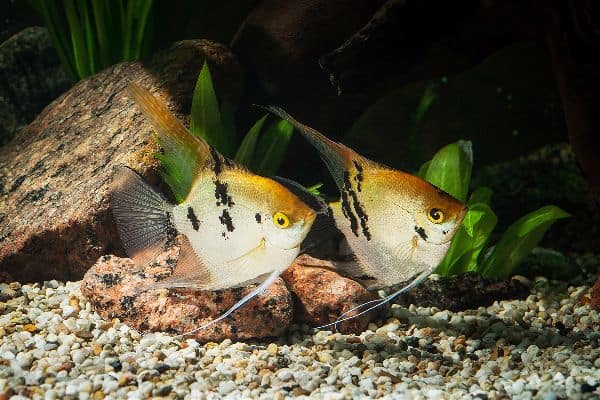
Quick action after a fish death prevents ammonia spikes that endanger surviving tank mates
A dead fish begins decomposing immediately, releasing toxic ammonia directly into the water. In small tanks especially, a single decomposing fish can cause a dangerous ammonia spike within hours. Prompt action protects surviving tank mates.
Dead Fish Response Protocol
Remove the dead fish immediately
Use a fish net to remove the body as soon as you discover it. Decomposition accelerates rapidly in warm aquarium water, and the ammonia released can reach lethal concentrations quickly — especially in tanks under 20 gallons.
Examine the fish for visible symptoms
Before disposal, look for signs that indicate the cause of death: bloated abdomen (possible bacterial infection or dropsy), white fuzzy patches (fungal infection), white spots on fins or body (ich or other parasites), excessive slime coat, or damaged and frayed fins. These observations help determine whether surviving fish are at risk.
Test water parameters immediately
Check ammonia, nitrite, and nitrate levels using a liquid test kit. Elevated ammonia may have caused the death, or the decomposing fish may have already spiked ammonia levels. Either situation requires intervention.
Perform a 20-25% water change
A partial water change dilutes any ammonia released during decomposition and helps stabilize water chemistry. Use properly treated replacement water matched to tank temperature.
Observe remaining fish closely for 48-72 hours
Watch surviving fish for signs of illness: lethargy, loss of appetite, clamped fins, unusual spots, rapid breathing, or prolonged hiding behavior. If the death was caused by a contagious disease, other fish may begin showing symptoms within days.
Quarantine visibly ill fish if disease is suspected
If any surviving fish display symptoms, move them to a quarantine tank for targeted treatment. Treating the entire display tank with medication as a first step can harm healthy fish and disrupt the biological filter.
Deep Cleaning: Emergency Situations Only
A full deep clean — removing all water, fish, decorations, and substrate for complete scrubbing — is an extreme measure reserved for specific emergency situations. Deep cleaning kills all beneficial bacteria in the tank, effectively resetting the nitrogen cycle. The tank must be cycled again from scratch, which takes 4-6 weeks.
Perform a full deep clean only when:
- A disease outbreak has not responded to standard treatment (medication, water changes, quarantine)
- Contamination has entered the tank (chemicals, soap residue, or other toxic substances)
- The tank has been neglected for so long that water quality is beyond recovery through partial changes
During a deep clean, house fish temporarily in containers filled with old tank water. Clean the substrate thoroughly, scrub all decorations with warm water (no soap), and rinse the tank itself. Refill with treated water, restart filtration, and begin the cycling process before reintroducing fish. This process is extremely stressful for fish and should always be treated as an absolute last resort.
What NOT to Do When Cleaning Your Fish Tank
Improper cleaning technique is one of the most common fishkeeping mistakes, and the consequences range from cloudy aquarium water to complete bacterial crashes. Avoid these errors:
Common Cleaning Mistakes to Avoid
- Never change all the water at once — replacing more than 50% shocks fish with sudden chemistry changes and disrupts beneficial bacteria
- Never clean the filter and vacuum gravel on the same day — stagger maintenance tasks to avoid crashing biological filtration
- Never use soap, bleach, or household cleaning products — even trace residues are lethal to fish
- Never rinse filter media under tap water — chlorine and chloramine in tap water kill beneficial nitrifying bacteria instantly
- Never replace all filter media at the same time — swap one type of media per maintenance session to preserve bacterial colonies
- Never overfeed fish before or after cleaning — excess food decomposes and spikes ammonia levels faster than filtration can process
- Never deep clean unless facing an emergency — routine partial maintenance is what keeps the ecosystem stable
- Never scrub decorations until completely sterile — some biofilm on surfaces is healthy and part of the tank's natural ecosystem
Building a Sustainable Maintenance Routine
Consistency matters more than intensity for long-term aquarium health. Bad water quality is one of the biggest contributors to fish death, and ammonia or nitrate levels can spike rapidly in small tanks if maintenance lapses even briefly. Creating a simple, repeatable schedule prevents emergencies before they start. Planning a trip? See our guide on fish care while on vacation for pre-trip maintenance preparation.
Setting Up Your Routine
- Choose the same day each week for water changes — building a habit ensures consistency
- Prepare replacement water the night before to allow it to reach room temperature
- Keep all cleaning supplies in one accessible location near the tank
- Log water test results in a notebook or app to track parameter trends over time
- Set phone reminders for monthly filter maintenance and supply expiration checks
- Track unusual observations: behavior changes, algae blooms, or equipment performance issues
The Reward of Routine Maintenance
A consistent fish tank maintenance routine takes just 15-30 minutes per week. This small investment prevents emergency situations, keeps fish healthy and active, extends equipment life, and ensures you enjoy your aquarium rather than constantly troubleshooting water quality problems. The best-looking tanks are not the ones that get deep cleaned — they are the ones that receive steady, gentle care.
How often should I clean my fish tank?
Perform partial water changes of 10-25% weekly, with gravel vacuuming every 1-2 weeks. The exact frequency depends on tank size, fish population, and filtration. Small tanks (5-10 gallons) need weekly maintenance without exception, while large established tanks may stretch to 10-14 days between water changes.
Should I remove my fish when cleaning the tank?
No, leave fish in the tank during routine cleaning. Catching and netting fish causes significant stress that far outweighs any disturbance from water changes and gravel vacuuming. Only remove fish for emergency situations like deep cleaning after a disease outbreak or when the tank is too small to maintain adequate water levels during cleaning.
Can I use soap to clean my fish tank?
Never use soap, bleach, or household cleaners in or around an aquarium. Even trace residues are lethal to fish and destroy beneficial bacteria. Clean equipment with warm water only. For stubborn algae or mineral deposits on decorations, use white vinegar and rinse thoroughly before returning items to the tank.
Why is my fish tank still dirty after cleaning?
Persistent cloudiness or debris after cleaning usually indicates an underlying problem: overstocking, overfeeding, inadequate filtration, or insufficient gravel vacuuming. Test water parameters for ammonia and nitrate spikes. Address the root cause by upgrading filtration, reducing feeding, or increasing water change frequency rather than cleaning more aggressively.
How much water should I change during cleaning?
A 10-25% water change is standard for weekly maintenance. Heavily stocked tanks or tanks with messy fish like goldfish may need 25-30% changes. Use an online stocking calculator like AqAdvisor.com to determine the ideal water change percentage based on your specific tank size, fish species, and filtration capacity.
Related Topics
Found this helpful?
Share this guide with your fellow aquarium enthusiasts!

Written by
Ynes Carrillo
Ynes grew up in the Andes mountains of Venezuela, where she spent decades as a teacher and cultivated a lush garden of native and non-native plants around her backyard fish pond. She holds a Master's degree in Education and now lives in Texas, where she keeps a low-tech planted aquarium and tends a vegetable garden. Though retired from the classroom, Ynes channels her lifelong passion for teaching into helping others succeed with fishkeeping and aquatic plants.