
Quick Answer
Some human foods are safe as rare treats — boiled peas, blanched cucumber, and unseasoned cooked shrimp. But human food should never be a regular part of your betta’s diet. Bettas are carnivores that need high-protein foods: quality pellets, frozen bloodworms, brine shrimp, and daphnia.
What Bettas Actually Need
Before discussing human food, it’s important to understand what bettas are designed to eat. Betta fish (Betta splendens) are carnivores — specifically insectivores. In the wild rice paddies of Thailand and Southeast Asia, bettas eat mosquito larvae, bloodworms, daphnia, brine shrimp, white worms, glass worms, copepods, and insect eggs from the water surface. Wingless fruit flies that land on the water are another natural food source for wild bettas.
Their digestive system is built for protein. They have a short digestive tract optimized for breaking down animal matter, not plant fiber or carbohydrates. Any feeding plan should reflect this biology — and poor diet choices are among the most common fish keeping mistakes new owners make.
Betta Feeding Basics
The Best Diet for Bettas
A healthy betta diet rotates between high-quality pellets as the staple and frozen or freeze-dried foods for variety:
Staple Foods (daily):
- High-protein betta pellets (40%+ crude protein) — 2-3 pellets per feeding
- Freeze-dried or frozen bloodworms — 1-2 times per week for variety
- Frozen brine shrimp — excellent protein source, feed 1-2 times per week
- Freeze-dried daphnia — natural laxative effect, great for digestive health
Pre-Soak Your Pellets
Betta pellets absorb water and can expand to 2-3x their dry size. If your betta eats them dry, they swell inside the stomach, causing bloating and constipation. Soak pellets in a small amount of tank water for 5-10 minutes before feeding — this is the single easiest way to prevent digestive issues.
Recommended Betta Foods
Fluval Bug Bites Betta Formula
- Black soldier fly larvae as primary ingredient — high protein, natural insect-based diet
- Slow-sinking micro granules sized for betta mouths
- Contains salmon, DHA omega-3s for color and immune support
- No artificial colors, preservatives, or fillers
Why we recommend it: Fluval Bug Bites uses real insect larvae as the first ingredient, making it the closest commercial pellet to a betta's natural insectivore diet. The micro granule size works well for bettas, and the insect-protein base is easier to digest than fish-meal pellets.
Live & Frozen Foods
Closest to wild diet
- Bloodworms (frozen or live)
- Brine shrimp and fairy shrimp (frozen or live)
- Daphnia and moina (frozen or freeze-dried)
- Mosquito larvae (live, if available)
- White worms, glass worms, and copepods
- Wingless fruit flies (excellent surface food)
Freeze-Dried Foods
Convenient alternative
- Freeze-dried bloodworms
- Freeze-dried brine shrimp
- Freeze-dried daphnia
- Always rehydrate before feeding
Human Foods: What’s Safe and What’s Not
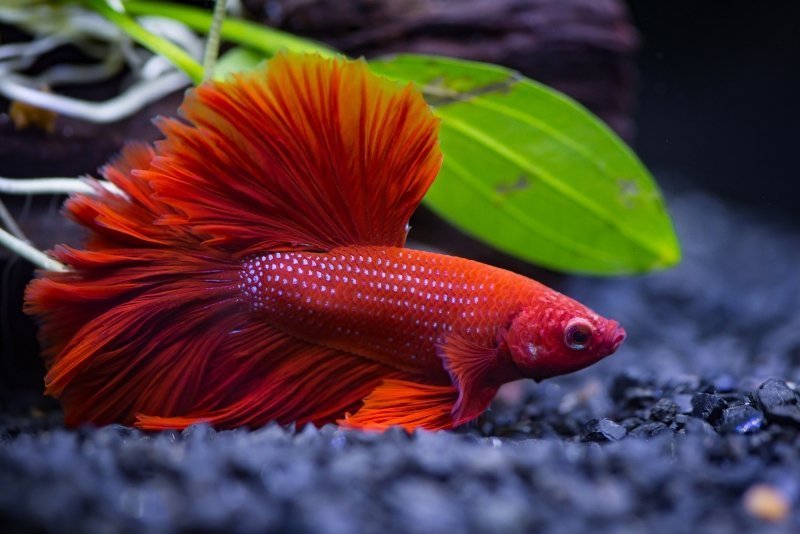
Some human foods are safe as rare treats, but most should be avoided entirely.
Now for the main question. Some human foods are safe for bettas in very small amounts as rare treats or emergency food. Others are outright dangerous. The key principle: your betta cannot survive on human food. It should only supplement — never replace — a proper diet.
Your betta’s stomach is roughly the size of its eye. Portion sizes for any human food should be tiny — a few millimeters at most.
Safe Human Foods (Occasional Treats Only)
Peas
Boiled, skinned peas are the most commonly recommended human food for bettas — specifically as a remedy for constipation and bloating, not as regular food.
How to Prepare Peas for Bettas
Boil until soft
Boil a frozen or fresh pea until it's completely mushy — about 2-3 minutes. Never feed a raw or frozen pea. The boiling softens the pea to a consistency your betta can digest.
Remove the outer skin
Peel off the thin outer shell completely. Bettas cannot digest the cellulose in the skin, and it can cause intestinal blockage if swallowed.
Cut into tiny pieces
Quarter the pea, then take one quarter and cut it into pieces no larger than 1-2mm — remember, their stomach is the size of their eye. Feed only one quarter-pea per fish at most.
Remove uneaten pieces
Take out any uneaten pea within 20 minutes. Pea breaks down quickly in warm water and will foul the tank if left to decompose.
Vegetables
Some blanched vegetables are accepted by bettas, though individual fish vary in their willingness to eat plant matter.
Generally Accepted:
- Cucumber — boil to soften, cut into tiny pieces, remove seeds
- Zucchini — boil to soften, cut into tiny pieces, remove seeds
- Lettuce or spinach — microwave 3-5 seconds to break down cellulose, tear into tiny bits
- Sweet corn — boil, remove the outer skin of each kernel, mash into tiny amounts
Avoid These Vegetables:
- Carrots — too fibrous for bettas to digest properly
- Beans — high fiber content causes digestive distress
- Cabbage, broccoli, brussels sprouts — bitter compounds bettas won't eat and that can affect water chemistry
- Onions, leeks, shallots — toxic compounds harmful to fish
Unseasoned Cooked Seafood
Cooked, unseasoned shrimp and fish are the safest human food options for bettas because they’re closest to a betta’s natural diet.
Safe Seafood (with preparation):
- Cooked shrimp — unseasoned, no butter or oil, cut into tiny 1-2mm pieces
- Tuna — fresh-caught preferred; if canned, use only water-packed varieties with no salt or oil
- White fish — plain, cooked, unseasoned, in tiny slivers
Never Use Oil-Packed or Seasoned Seafood
Oil coats the water surface and reduces oxygen exchange. Salt and seasonings are toxic to freshwater fish even in small amounts. If using canned tuna, choose water-packed only with no added salt. Rinse thoroughly before cutting into tiny pieces.
Dangerous Human Foods
These foods should never be fed to bettas. Some cause digestive problems; others can kill.
Citrus Fruit — Never Feed
Citrus Is Dangerous for Bettas
Never put citrus fruit (oranges, lemons, limes, mandarins, grapefruit) in a betta tank. Citrus is highly acidic and can crash your tank’s pH, damage your betta’s sensitive digestive system, and burn gill tissue. Even a small piece left in the water can be fatal. This is one of the most common mistakes new betta owners make.
Bread and Crackers
Bread and crackers contain salt, oils, preservatives, and carbohydrates that bettas cannot properly metabolize. Worse, they absorb water and swell — the same problem as dry pellets, but more severe. Bread can expand significantly in a betta’s tiny stomach, causing severe bloating and constipation. Avoid entirely.
Processed and Seasoned Meats
Never Feed:
- Bacon, ham, sausage — cured with salt, nitrates, and preservatives toxic to fish
- Fried anything — oil coats the water surface and is indigestible for bettas
- Seasoned or marinated meat — spices, salt, and sauces are all harmful
- Deli meats — processed with sodium and chemical preservatives
Non-Citrus Fruit — Safe but Rarely Accepted
Some bettas will nibble on tiny pieces of soft, non-citrus fruit. Mango, banana, melon, and kiwi fruit can be offered in pieces no larger than 1-2mm. Most bettas show little interest in fruit since they’re carnivores, but the occasional betta will accept a small piece. Remove uneaten fruit within 20 minutes — it breaks down quickly in warm water and fouls tank chemistry.
Raw Land-Animal Meat
While tiny pieces of plain cooked chicken or beef won’t immediately harm a betta, they’re poor food choices. Farm-raised meat may contain antibiotics, hormones, and additives that can harm fish. The fat content is also too high for bettas to process. If you must feed meat in an emergency, use only a tiny sliver of plain cooked (not fried, not seasoned) chicken — but unseasoned cooked shrimp is always the better option.
What to Do If You Run Out of Betta Food
This is the most common reason people consider feeding human food to bettas. Here’s the priority list:
Emergency Feeding Options (in order of preference)
Fast for a day or two
Bettas can safely go 2-3 days without food — some betta keepers fast their fish one day per week intentionally. Skipping a meal is healthier than feeding inappropriate food. Don't panic; order proper food and wait.
Feed unseasoned cooked shrimp
If you have plain cooked shrimp (no seasoning, no butter, no oil), cut a tiny piece (1-2mm) and offer it. This is the closest human food to a betta's natural diet and the safest emergency option.
Offer a blanched pea
Boil a pea until soft, remove the skin, quarter it, and offer one tiny piece. This isn't ideal nutrition for a carnivore, but it's safe and provides some fiber. Good if your betta is also showing signs of constipation.
Try blanched cucumber or zucchini
Boil a small piece until soft, cut to 1-2mm, and offer it. Many bettas will ignore it, but some will nibble. Remove uneaten pieces within 20 minutes.
Prevent the Emergency
Keep a backup container of freeze-dried bloodworms or brine shrimp alongside your regular pellets. Freeze-dried foods have a long shelf life (1-2 years sealed) and serve as both dietary variety and emergency backup. A $5 container lasts months. Planning a trip? See our fish care while on vacation guide for feeding strategies when you’re away.
Feeding Best Practices
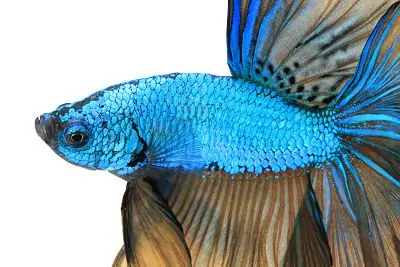
High-quality pellets and frozen foods should make up the majority of your betta's diet.
Regardless of what you’re feeding, these practices prevent the most common betta health issues:
Daily Feeding Rules:
- Feed twice daily — morning and evening, 2-3 pellets each time
- Only offer what your betta eats in 2 minutes — remove all uneaten food
- Pre-soak pellets and rehydrate freeze-dried food before feeding
- Fast one day per week to prevent constipation and support digestive health
- Rotate between pellets and frozen foods for nutritional variety — variety also supports vibrant coloration
- Never feed the same freeze-dried food exclusively — it lacks moisture and can cause bloating
Signs of Overfeeding:
- Bloated or distended belly that persists between feedings
- Stringy white feces — indicates digestive stress
- Uneaten food accumulating on the substrate or filter intake
- Cloudy water or ammonia spikes between water changes
- Betta refusing food at mealtimes — stomach may already be full
Overfeeding is one of the leading causes of betta health problems. For a deeper look at the warning signs and how to correct course, see our guide on signs of overfeeding fish.
Frequently Asked Questions
Can betta fish eat human food?
Some human foods are safe as occasional treats — boiled peas (for constipation relief), blanched cucumber or zucchini, and unseasoned cooked shrimp. However, human food should never form the majority of a betta's diet. Bettas are carnivores that need high-protein foods like bloodworms, brine shrimp, and quality pellets.
What do betta fish eat in the wild?
Wild bettas are insectivores that eat mosquito larvae, bloodworms, daphnia, small crustaceans, and insect eggs from the water surface. Their natural diet is almost entirely protein-based. Captive bettas should be fed foods that replicate this — frozen or freeze-dried bloodworms, brine shrimp, daphnia, and high-protein pellets.
Can betta fish eat fruit?
Non-citrus fruits like mango, banana, melon, or kiwi can be offered in tiny pieces as very rare treats (no more than once every few weeks). However, citrus fruits (oranges, lemons, mandarins) are dangerous — they're highly acidic and can damage your betta's digestive system and crash tank water pH. Most bettas show little interest in fruit.
How often should I feed my betta fish?
Feed adult bettas twice daily, offering only what they can eat in 2 minutes. A betta's stomach is roughly the size of its eye — 2-3 pellets per feeding or a small pinch of frozen food is sufficient. One fasting day per week helps prevent constipation and bloating.
Can betta fish eat bread or crackers?
Bread and crackers are poor choices for bettas. They contain salt, oils, preservatives, and carbohydrates that bettas can't properly digest. Worse, bread and crackers expand when wet, causing bloating and constipation — two of the most common digestive problems in captive bettas. Avoid these entirely.
What should I do if I run out of betta food?
Bettas can safely fast for 2-3 days without harm — skipping a day is better than feeding inappropriate food. If you need an emergency option, a tiny piece of unseasoned cooked shrimp or a blanched pea (skin removed, quartered) is the safest choice. Order proper food as soon as possible.
Keep Your Betta Healthy
Proper feeding is one part of betta care. Make sure your water quality and temperature are dialed in too.
Fish Tank World is reader-supported. When you purchase through links on our site, we may earn an affiliate commission at no extra cost to you. See our earnings disclaimer for details.
Related Topics
Found this helpful?
Share this guide with your fellow aquarium enthusiasts!

Written by
FTW Team
The FishTankWorld editorial team brings together experienced aquarists to help you succeed in the hobby.