
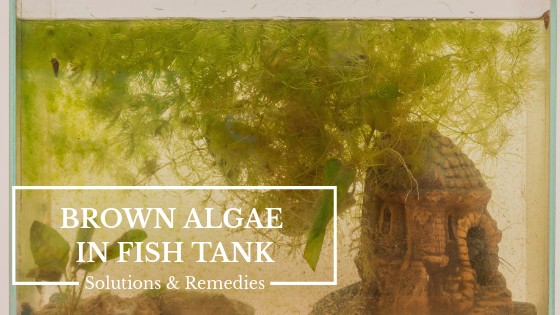
Brown algae can quickly cover an otherwise beautiful aquarium, coating glass, equipment, substrate, and plant leaves in a dull brown film. These organisms — technically diatoms, not true algae — block light from reaching plant leaves, causing foliage to wilt and die if left unchecked. The good news: brown algae blooms are one of the most treatable aquarium problems once you understand what drives them.
New Tank? Don't Panic
Brown algae blooms are extremely common in newly established aquariums. Most diatom blooms resolve naturally within 2-3 months as the tank matures and silicate levels stabilize. The strategies below will help speed up the process and prevent recurrence.
What Is Brown Algae?
Brown algae in aquariums consists of diatoms — single-celled organisms with silica-based cell walls. Diatoms feed on dissolved silicates, phosphates, and nitrates in aquarium water. Unlike green algae that primarily responds to excess light, brown algae thrives when dissolved silicates are available, even in low-light conditions.
Brown algae appears as a dusty brown coating on glass, substrate, decorations, and plant leaves. Diatom film wipes off easily with a finger — this soft, powdery texture distinguishes brown algae from harder-to-remove types like black beard algae or green spot algae. If rubbing a coated surface produces a slippery brown residue rather than a gritty or firmly attached film, the growth is almost certainly diatoms.
Brown Algae vs Other Algae Types
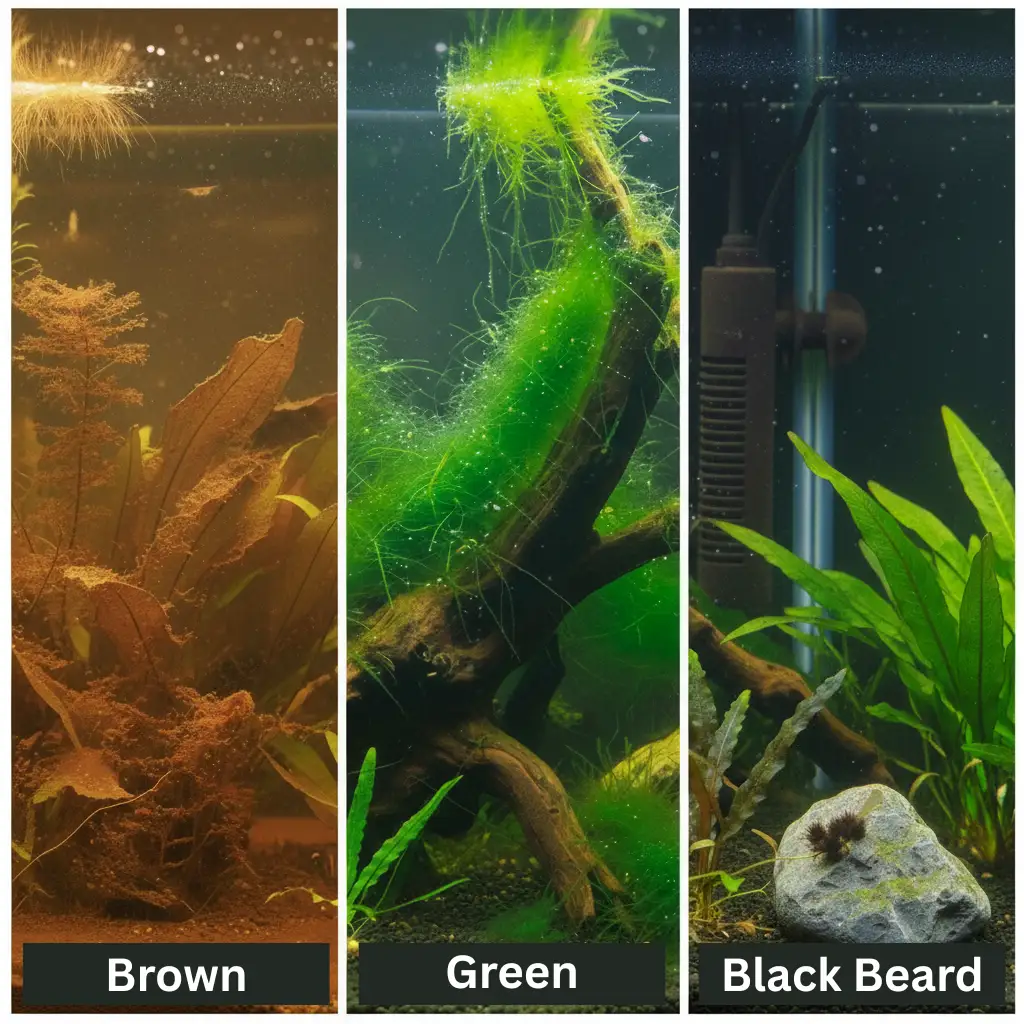
Brown diatom algae (left) vs green hair algae (center) vs black beard algae (right) — each has different causes and treatments
Brown algae (diatoms) differs from other common aquarium algae in both appearance and cause. Green algae grows in response to excess light and appears as bright green film, hair-like strands, or green water. Black beard algae (BBA) forms dark, tufted patches that attach firmly to surfaces and resist scrubbing. Green spot algae creates hard green dots on glass and slow-growing plant leaves.
Brown algae is unique among aquarium algae because silicates — not light — drive diatom growth. This distinction matters for treatment: reducing light alone won’t eliminate brown algae if silicate levels remain elevated. For a complete overview of all algae types and their treatments, see our algae identification and removal guide.
What Causes Brown Algae in Fish Tanks?
Brown algae blooms occur when excess nutrients — particularly silicates — accumulate in aquarium water. Understanding the specific causes helps target the most effective solution.
Silicate Contamination
Silicate contamination is the leading cause of persistent brown algae in aquariums. Diatoms build their cell walls from silica, so even silicate concentrations above 2 ppm (mg/L) can fuel rapid brown algae reproduction. Many municipal tap water supplies contain 5-15 ppm silicates — well above the threshold for diatom blooms.
Common Silicate Sources
- Unfiltered tap water — municipal water supplies commonly contain 5-15 ppm dissolved silicates
- Low-quality salt mixes for marine aquariums
- New substrates — sand and gravel can leach silicates for weeks after installation
- Certain water additives and conditioning treatments
- Decorations and rocks that release silica compounds
Standard aquarium test kits from brands like Salifert and Hanna Instruments measure dissolved silicate levels. Testing tap water before use reveals whether silicates are entering the aquarium through water changes. Even dedicated algae-eating species struggle to control brown algae when silicate levels remain above 2 ppm — removing the silicate source is more effective than treating the symptoms.
Excess Nitrate Levels
Brown algae growth accelerates when nitrate levels exceed 40 ppm in aquarium water. Beneficial bacteria convert toxic ammonia through nitrite to relatively harmless nitrate, but few aquariums possess the specialized anaerobic conditions needed to break nitrate down further. Live plants absorb some nitrates, but sparse plantings in overstocked tanks allow nitrate concentrations to climb between water changes.
Nitrate levels above 40 ppm combined with any measurable silicate concentration create ideal conditions for persistent diatom blooms. Regular water testing catches rising nitrate levels before brown algae takes hold. Phosphate levels above 1 ppm further compound the problem by providing additional nutrients for diatom growth.
Other Contributing Factors
Additional Causes
- New tank syndrome — immature beneficial bacteria colonies allow nutrient buildup during cycling
- Decaying organic matter trapped in substrate, behind decorations, or in filter media
- Overfeeding — uneaten food decomposes and releases phosphates and nitrates (signs of overfeeding)
- Inconsistent or excessive lighting schedules
- Poor water circulation creating nutrient dead zones
Three Golden Rules for Brown Algae Prevention
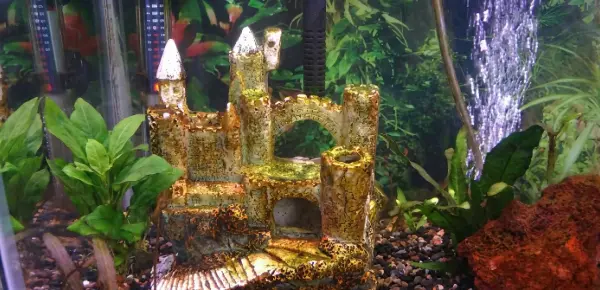
Brown algae covers decorations, substrate, and plant leaves with a dusty brown film that wipes off easily
Preventing brown algae comes down to controlling nutrients and maintaining stable water conditions. These three rules address the root causes rather than just the symptoms.
Rule 1: Proper Tank Stocking
Brown algae feeds on nitrate produced by fish waste, so overstocking directly increases diatom fuel. Every fish added to an aquarium increases ammonia production, which beneficial bacteria convert to nitrate in the closed system.
Stocking Limits Vary by Tank Type
Saltwater systems support far fewer fish than freshwater equivalents at the same volume. A 29-gallon saltwater tank typically holds only 3-5 fish, while a similarly sized freshwater tank can house significantly more. Overstocking any tank demands additional filtration, more frequent water changes, and creates conditions that favor brown algae growth.
Start with fewer fish than you think the tank can support. Adding fish gradually gives beneficial bacteria time to expand and handle the increasing bioload without nutrient spikes that trigger diatom blooms.
Rule 2: Consistent Aquarium Maintenance
Brown algae blooms accelerate when skipped water changes allow silicates, nitrates, and phosphates to accumulate. Routine water changes dilute these nutrients before they reach the threshold levels that fuel diatom growth.
Water Change Schedule
- Properly stocked tanks — 20% weekly water change, especially important for smaller tanks under 30 gallons
- Larger established tanks — 20% biweekly changes may suffice with adequate filtration
- Saltwater tanks with protein skimmers — monthly 20% changes can work for lightly stocked systems
- During active brown algae blooms — 50% daily water changes for up to three consecutive days to rapidly reduce nutrient levels
- Saltwater tanks — use RO/DI water for changes to avoid reintroducing silicates from tap water
Vacuum the substrate during every water change to remove detritus that breaks down into nitrates and phosphates. Pay special attention to areas behind decorations and under equipment where waste accumulates. For a complete maintenance routine, see our guide on how to clean a fish tank.
Rule 3: Quality Equipment
Brown algae prevention depends partly on equipment that maintains stable water conditions between maintenance sessions. Superior filtration and lighting reduce the nutrient buildup and light imbalances that favor diatom growth.
Lighting: LED aquarium lights provide the most controllable spectrum and photoperiod. For reef tanks, choose fixtures with royal blue and 10,000K white spectrum. For planted freshwater tanks, 6,700K or 10,000K spectrum promotes healthy plant growth while discouraging algae. Run lights on a consistent 8-hour timer — inconsistent schedules stress plants and give algae an advantage.
Filtration: Planted freshwater tanks work well with overhead, canister, hang-on-back, or sponge filters depending on tank size and bioload. Saltwater setups benefit from hang-on-back filters paired with protein skimmers, which remove dissolved organic compounds before they break down into nitrates. Ensure filter media is cleaned or replaced regularly — clogged media reduces efficiency and can become a nutrient source.
How to Remove Brown Algae
Once brown algae appears, a multi-pronged approach works fastest: physically remove what you can while addressing the underlying nutrient problem.
Physical Removal
Cleaning Steps
- Wipe aquarium glass with an algae scraper or magnetic glass cleaner — brown algae removes easily compared to other types
- Remove decorations and scrub them in a bucket of tank water (never use soap or detergent)
- Vacuum substrate thoroughly during water changes to remove diatom-laden detritus
- Gently clean affected plant leaves with a soft brush or by rubbing between your fingers
- Rinse filter intake tubes and impellers where brown algae accumulates
Physical removal alone provides only temporary relief. Brown algae returns within days if the nutrient source remains. Combine manual cleaning with the nutrient control strategies below.
Switch to RO/DI Water
If your tap water contains high silicates — and most municipal water does — switching to reverse osmosis (RO) or RO/DI water eliminates this primary diatom fuel source. Many aquarists use RO/DI systems for all top-offs and water changes, particularly in areas with hard or silicate-rich tap water.
For freshwater tanks, remineralize RO water before adding it to the aquarium to restore essential minerals that fish and plants need.
Reduce the Photoperiod
Diatoms photosynthesize like plants, and reducing light exposure slows their growth rate. Cut the photoperiod to 6 hours daily while you address the underlying nutrient causes. Once brown algae clears, gradually increase back to 8 hours.
Use a Timer
A simple outlet timer ensures consistent lighting schedules. Manual on-and-off creates irregular photoperiods that stress plants and can actually encourage algae of all types.
Add Algae-Eating Species
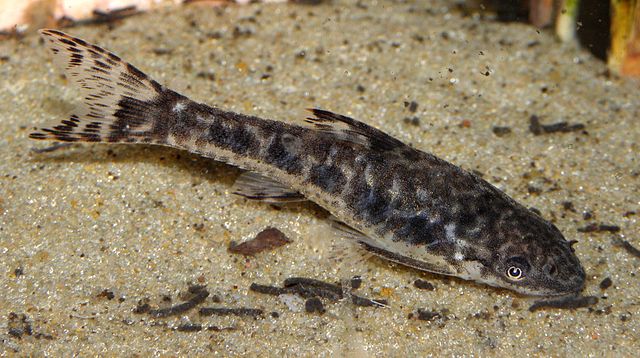
Otocinclus catfish are among the most efficient diatom eaters for freshwater aquariums
While algae eaters cannot solve a brown algae problem by themselves, they provide valuable ongoing cleanup alongside nutrient control measures.
Effective Brown Algae Eaters
- Otocinclus catfish — small, peaceful, and among the most efficient diatom eaters for tanks 10 gallons and up
- Nerite snails — excellent glass and surface cleaners that won't reproduce in freshwater
- Bristlenose plecos — suitable for tanks 30 gallons and larger, thorough surface grazers
- Amano shrimp — consume various algae types including diatoms, best in planted tanks
For a complete overview of algae-eating species for freshwater aquariums, see our guide to the best algae eaters.
Algae Eaters Alone Won't Fix It
Algae-eating species help manage brown algae but cannot eliminate it if silicate or nitrate levels remain high. Diatoms reproduce faster than most cleanup crews can consume them under nutrient-rich conditions. Always address the root nutrient source alongside adding algae eaters.
Preventing Brown Algae From Returning
Once you eliminate the current brown algae bloom, these ongoing practices keep diatoms from re-establishing.
Long-Term Prevention
- Maintain a consistent water change schedule — weekly for most tanks
- Use RO/DI water if tap water tests high for silicates or phosphates
- Avoid overstocking — the one inch per gallon rule is a starting point, but fewer fish always means less waste and lower nitrate levels
- Test water parameters regularly for nitrates, phosphates, and silicates
- Remove decaying plant matter, uneaten food, and dead organisms promptly
- Feed fish only what they consume within 2-3 minutes to minimize waste
- Run lights on a consistent 8-hour timer schedule
- Keep filters clean — rinse media in tank water monthly to maintain efficiency without killing beneficial bacteria
- Consider adding fast-growing live plants that outcompete diatoms for nutrients — our low-tech planted aquarium guide covers the best species
Brown algae blooms rank among the most common and most solvable aquarium problems. By starving diatoms of silicates and nitrates through proper stocking, consistent maintenance, and quality equipment, most aquarists see brown algae clear within weeks. For new tanks, patience is often the best remedy — as the aquarium matures and biological filtration establishes, diatom blooms typically resolve on their own within 2-3 months.
Is brown algae harmful to fish?
Brown algae (diatoms) are generally not directly harmful to fish. However, severe diatom blooms can coat plant leaves, blocking light and causing plant die-off. The underlying water quality issues that cause brown algae blooms — elevated silicates, nitrates, or phosphates — can stress fish over time.
Will brown algae go away on its own?
In new tanks, brown algae often disappears naturally within 2-3 months as the tank matures and silicate levels decrease. However, if the underlying cause persists — such as excess silicates in tap water, poor maintenance, or inadequate lighting — brown algae will continue to return.
What eats brown algae?
Otocinclus catfish, nerite snails, bristlenose plecos, and Amano shrimp readily consume brown algae. However, if silicate levels remain high, brown algae may grow faster than these creatures can eat it. Address the root cause while using algae eaters as part of a combined approach.
Why does my new tank have brown algae?
New tanks commonly experience diatom blooms because beneficial bacteria have not yet established to compete for nutrients. Silicates leaching from new substrate and fresh decorations also fuel brown algae growth. This typically resolves as the aquarium matures over 2-3 months.
How do I prevent brown algae from coming back?
Prevent brown algae recurrence by maintaining consistent water changes, using RO/DI water if your tap water tests high for silicates, avoiding overstocking, keeping a consistent 8-hour lighting schedule, and removing decaying organic matter promptly. Testing water parameters regularly catches nutrient spikes before they fuel new blooms.
Does brown algae mean my tank is unhealthy?
Not necessarily. Brown algae in a new tank is a normal part of the cycling process and usually resolves on its own. In established tanks, brown algae signals excess silicates or nitrates, which indicates a maintenance issue rather than a fundamental problem. Adjusting water changes and nutrient sources typically resolves it.
Related Topics
Found this helpful?
Share this guide with your fellow aquarium enthusiasts!

Written by
FTW Team
The FishTankWorld editorial team brings together experienced aquarists to help you succeed in the hobby.