
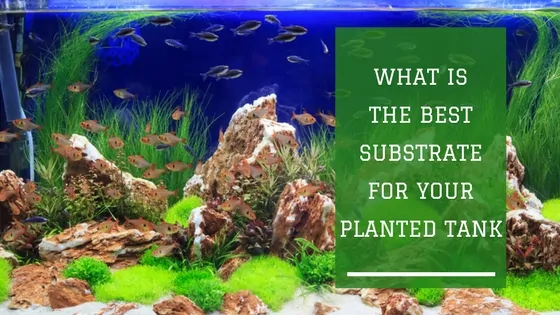
The best substrate for a planted tank depends on your plants, fish, and maintenance goals. Fluval Plant and Shrimp Stratum is the top overall choice — its volcanic soil delivers essential nutrients, supports beneficial bacteria colonization, and maintains the slightly acidic pH that most aquarium plants prefer. This guide reviews six substrates across soil, sand, and gravel categories so you can find the right match for your setup.
Quick Recommendation
Fluval Plant and Shrimp Stratum is the best all-around substrate for most planted tanks. It provides nutrients from day one, supports both plants and shrimp, and promotes rapid beneficial bacteria growth. For a budget-friendly nutrient-rich option, FZONE Aquarium Soil delivers similar performance at a lower price point.
Best Nutrient-Rich Soil Substrates
Soil substrates actively feed plant roots and buffer pH downward. They’re the best choice for demanding plant species but deplete over 12-24 months.
Soil Substrate Comparison
| Substrate Type | Volcanic soil | Organic soil blend | Volcanic soil |
| Grain Size | Mixed granules | 3mm granules | 1mm powder granules |
| pH Effect | Neutral to slightly acidic | Slightly acidic | Lowers pH |
| Provides Nutrients | Yes — mineral-rich | Yes — organic + minerals | Yes — mineral-rich |
| Rinsing Required | No | No | No |
| Bag Size | 4.4 lbs | Various | 8.8 lbs |
| Check Price | Check Price | Check Price |
- Substrate Type
- Volcanic soil
- Grain Size
- Mixed granules
- pH Effect
- Neutral to slightly acidic
- Provides Nutrients
- Yes — mineral-rich
- Rinsing Required
- No
- Bag Size
- 4.4 lbs
- Substrate Type
- Organic soil blend
- Grain Size
- 3mm granules
- pH Effect
- Slightly acidic
- Provides Nutrients
- Yes — organic + minerals
- Rinsing Required
- No
- Bag Size
- Various
- Substrate Type
- Volcanic soil
- Grain Size
- 1mm powder granules
- pH Effect
- Lowers pH
- Provides Nutrients
- Yes — mineral-rich
- Rinsing Required
- No
- Bag Size
- 8.8 lbs
Best Sand, Gravel & Clay Substrates
Inert and clay substrates are pH-neutral, long-lasting, and low-maintenance. They provide less root nutrition but won’t deplete over time — supplement with root tabs for heavy-feeding plants.
Sand, Gravel & Clay Substrate Comparison
| Substrate Type | Bio-active sand | Natural gravel | Clay-based |
| Grain Size | Fine sand | Mixed pebbles | Spherical pellets |
| pH Effect | Neutral | Neutral | Neutral |
| Provides Nutrients | Minimal — bacteria only | No | Yes — clay minerals |
| Rinsing Required | No | No | No |
| Bag Size | 5 lbs | Various | 5 lbs |
| Check Price | Check Price | Check Price |
- Substrate Type
- Bio-active sand
- Grain Size
- Fine sand
- pH Effect
- Neutral
- Provides Nutrients
- Minimal — bacteria only
- Rinsing Required
- No
- Bag Size
- 5 lbs
- Substrate Type
- Natural gravel
- Grain Size
- Mixed pebbles
- pH Effect
- Neutral
- Provides Nutrients
- No
- Rinsing Required
- No
- Bag Size
- Various
- Substrate Type
- Clay-based
- Grain Size
- Spherical pellets
- pH Effect
- Neutral
- Provides Nutrients
- Yes — clay minerals
- Rinsing Required
- No
- Bag Size
- 5 lbs
1. Fluval Plant and Shrimp Stratum (Best Overall)
Fluval Stratum uses mineral-rich volcanic soil that provides a complete foundation for planted aquariums. Its porous structure enables rapid colonization by beneficial nitrifying bacteria, jumpstarting the nitrogen cycle in new tanks. The substrate maintains a neutral to slightly acidic pH — the sweet spot for most aquarium plants, tropical fish, and shrimp.
Fluval Plant and Shrimp Stratum
- Porous volcanic soil enables rapid beneficial bacteria colonization
- Maintains neutral to slightly acidic pH for plants, tropical fish, and shrimp
- Provides shelter for newborn shrimp — ideal for cherry shrimp and nano shrimp tanks
- Preserves water clarity and manages organic discoloration from driftwood
- No rinsing required — ready to use out of the bag
- Formulated specifically for freshwater planted aquariums
Why we recommend it: Fluval Stratum delivers the best balance of plant nutrition, shrimp compatibility, and ease of setup. The porous volcanic soil feeds plants from the roots while simultaneously seeding your tank with beneficial bacteria. Amazon customer reviews consistently highlight strong plant growth, and the dual plant-and-shrimp design makes it versatile for community tanks.
Considerations:
- May cloud water briefly if disturbed aggressively during setup
- Granules break down over time (12-18 months) and will eventually need replacing
- 4.4 lb bag — plan quantities based on your tank size
2. FZONE Aquarium Soil (Best Value)
FZONE Aquarium Soil uses a nutrient-rich organic formula blending organic matter, activated carbon, silica, soil, and minerals. The 3mm porous granules promote strong root penetration while capturing suspended debris for cleaner water. High-temperature sintering during manufacturing means the granules hold their shape underwater without breaking into dust.
FZONE Aquarium Soil
- Nutrient-rich blend of organic matter, activated carbon, silica, and minerals
- 3mm porous granules promote strong root growth and debris capture
- High-temperature sintered — holds shape without breaking into dust
- No rinsing needed — keeps water clear from the first fill
- Gently lowers pH by absorbing alkaline ions for stable water conditions
- Supports Tonina, Eriocaulaceae, and a wide variety of aquatic plant species
Why we recommend it: FZONE Aquarium Soil offers nutrient-rich performance comparable to premium substrates at a more accessible price. The consistent 3mm granule size is ideal for planting, and the sintered construction means less mess during setup and water changes. Amazon reviewers report plants growing rapidly and pH buffering that works well for shrimp tanks.
Considerations:
- Recommend daily water changes for the first week to let the substrate stabilize
- For hard-water plants like Rotala macrandra and Vallisneria, add a GH booster to maintain proper hardness
- Creates slightly acidic, low-hardness water — check compatibility with your fish species
3. Fluval Bio Stratum (Best for Plant Color)
Fluval Bio Stratum is a natural, mineral-rich volcanic soil designed to promote vigorous plant growth with vibrant coloration. Its ultra-fine 1mm powder granules are lightweight and non-compacting, allowing delicate roots to penetrate and spread without resistance. The substrate comes infused with dormant nitrifying organisms that activate on contact with water.
Fluval Bio Stratum
- Mineral-rich volcanic soil promotes vibrant plant coloration and robust growth
- Lightweight 1mm powder granules — non-compacting for easy root penetration
- Infused with dormant nitrifying organisms that activate on contact with water
- Porous granules provide extensive biological filtration surface area
- Rapidly reduces ammonia levels to help stabilize new aquarium setups
- Potent blend of nutrients and minerals improves overall water quality
Why we recommend it: Fluval Bio Stratum stands out for its ultra-fine 1mm granule size, which makes it exceptionally easy for delicate plant roots to penetrate. The built-in nitrifying organisms help cycle new tanks faster, and the mineral-rich volcanic soil delivers the nutrients plants need for deep, vibrant coloring. The 8.8 lb bag provides good coverage for medium-sized planted tanks.
Considerations:
- Ultra-fine granules can cloud water during initial setup — fill slowly
- Water clarity reports are mixed; some users experience temporary murkiness
- 8.8 lb bag — larger size offers better value per pound than the standard Stratum
4. Aqua Natural Galaxy Sand (Best Sand Substrate)
Aqua Natural Galaxy Sand is a bio-active sand substrate seeded with live nitrifying bacteria, making it one of the few sand options that helps cycle an aquarium from day one. For a deeper look at sand options, see our guide to choosing sand for freshwater aquariums. The sand is 100% natural, sustainably sourced, triple-washed, and kiln-dried — requiring no rinsing before use. Its fine grains create a beautiful, sparkly appearance underwater.
Aqua Natural Galaxy Sand
- Seeded with live nitrifying bacteria — helps cycle aquariums instantly
- 100% natural, sustainably sourced, triple-washed, and kiln-dried
- No rinsing required — keeps water crystal clear from the start
- Fine grains sparkle underwater for a striking natural aesthetic
- Large surface area supports beneficial bacteria colonies
- Safe for bottom-dwelling fish like corydoras
Why we recommend it: Aqua Natural Galaxy Sand is the best sand option for planted tanks because it combines the aesthetic appeal of natural sand with live bio-active bacteria. Most sand substrates are inert and offer no biological benefit — Galaxy Sand jumpstarts your nitrogen cycle while providing a stable base for plant roots. Amazon reviewers consistently praise its appearance and water clarity.
Considerations:
- Sand provides minimal root-zone nutrients — supplement with root tabs for heavy-feeding plants
- Can be mixed with nutrient-rich soil underneath for a layered approach
- Best suited for low-light plants and floating plants that don’t depend heavily on substrate nutrition
5. CaribSea Peace River Gravel (Best Gravel Option)
CaribSea Peace River Gravel features smooth, earth-toned stones that create a realistic riverbed appearance. The pH-neutral composition won’t alter your water chemistry, making it safe for any freshwater species. The porous texture aids in natural biological filtration while providing a stable foundation for plant roots.
CaribSea Peace River Gravel
- Smooth, earth-toned stones create a natural riverbed appearance
- pH-neutral — won't alter water chemistry for any freshwater species
- Porous texture supports natural biological filtration
- Stable foundation for plant roots with good anchoring
- Versatile for aquascaping — works with multiple tank styles
- Safe for shrimp, snails, and bottom-dwelling fish
Why we recommend it: CaribSea Peace River Gravel is the best choice for fishkeepers who want a natural, long-lasting substrate that won't need replacing. The smooth stones are safe for bottom-dwellers and provide reliable root anchoring without the nutrient depletion timeline of soil substrates. It's also the most versatile option for aquascaping different tank styles.
Considerations:
- Contains no nutrients — pair with root tabs or liquid fertilizers for plant growth
- Larger grain size makes it harder to plant fine-rooted stem plants
- Best for tanks with hardy, low-demand plants or as a capping layer over nutrient-rich soil
6. Aqueon Plant and Shrimp Substrate (Best Clay Substrate)
Aqueon Plant and Shrimp Substrate is a clay-based substrate designed with spherical pellets that maintain their shape and structure over time. The clay material provides a porous surface for beneficial bacteria while slowly releasing minerals to plant roots. Its dark natural color creates an attractive tank floor — a popular choice for nano shrimp tank setups and cherry shrimp tanks.
Aqueon Plant and Shrimp Substrate
- Clay-based spherical pellets maintain shape and structure long-term
- Promotes growth for a wide variety of freshwater plants
- Designed for both plants and shrimp — dual-purpose substrate
- Dark natural color creates an attractive, professional-looking tank floor
- Can be sterilized and reused when refreshing a tank setup
- Easy to clean — debris sits on top of pellets for simple removal
Why we recommend it: Aqueon's clay substrate offers a middle ground between nutrient-rich soils and inert gravels. The spherical pellets hold their shape far longer than soil granules, while the clay material provides slow-release minerals that support plant growth. The reusability factor also makes it a cost-effective long-term choice.
Considerations:
- Clay pellets are larger than soil granules — some users find them too big for fine-rooted plants
- Provides fewer nutrients than dedicated aquarium soils; may need supplementation for demanding species
- Available in 5-pound bags — plan for multiple bags in larger tanks
How to Choose the Right Substrate
Aquarium substrate is the material covering the tank floor — soil, clay, sand, gravel, or a combination. The right substrate provides structural support for plant roots, delivers essential minerals like iron, nitrogen, and magnesium, harbors beneficial nitrifying bacteria, and reduces algae growth by helping plants absorb nutrients first. Four substrate types serve planted tanks:
- Soil — Nutrient-rich and ideal for demanding plants, actively feeds roots and buffers pH
- Sand — Fine-grained and natural-looking, good for bottom-dwellers like corydoras (see our full sand guide)
- Gravel — Long-lasting and pH-neutral, provides stable root anchoring
- Clay — Porous structure that supports beneficial bacteria and releases minerals slowly
For low-light aquarium plants like Java fern and anubias that feed through the water column, substrate type matters less. For root feeders like Amazon swords, cryptocorynes, and stem plants, a nutrient-rich substrate makes the difference between thriving and struggling.
What to Consider
- Plant demands — Heavy root feeders (swords, crypts) need nutrient-rich soil; column feeders (Java fern, anubias) grow in any substrate
- Fish species — Bottom-dwellers like corydoras need smooth substrates; burrowing fish need fine grains
- Maintenance commitment — Soil substrates deplete over 12-24 months and need replacing; gravel and sand last indefinitely
- Budget — Soil substrates cost more upfront but provide built-in nutrition; inert substrates are cheaper but require ongoing fertilizer costs
Depth Recommendations
Minimum: 1 inch of coverage for basic planting
Ideal: 2-2.5 inches for most rooting plants
Heavy feeders: 3+ inches for Amazon swords, crypts, and other root-heavy plants
Rule of thumb: 1 pound of substrate per gallon of water for 1-inch coverage
For most planted tank setups, a nutrient-rich soil substrate like Fluval Stratum or FZONE Aquarium Soil provides the best results with the least supplementation. If you prefer a natural gravel or sand look, layer nutrient-rich soil underneath with a sand or gravel cap on top. Setting up a new tank? Our guide on how to prepare an aquarium covers the full process from substrate to stocking.
Lighting Matters Too
Substrate is only one piece of the puzzle. Even the best substrate won’t help if your plants aren’t getting enough light. Check our guide to the best LED lights for planted tanks to complete your setup.
Frequently Asked Questions
How deep should planted tank substrate be?
A minimum of 1 inch of substrate coverage is recommended, with 2-2.5 inches being ideal for most rooting plants. Deeper substrate (3+ inches) benefits heavy root feeders like Amazon swords and cryptocorynes.
How much substrate do I need for my tank?
As a rule of thumb, plan for about 1 pound of substrate per gallon of water to achieve 1 inch of coverage. For 2 inches of depth, double that amount.
Do I need to rinse planted tank substrate before use?
It depends on the product. Fluval Stratum and FZONE Aquarium Soil can be used without rinsing. Aqua Natural Galaxy Sand is triple-washed and kiln-dried, so no rinsing is needed. CaribSea Peace River gravel is also ready to use.
What is the difference between aquarium soil and gravel for planted tanks?
Aquarium soil (like Fluval Stratum or FZONE Aquarium Soil) actively provides nutrients and buffers pH downward, making it ideal for demanding plant species. Gravel and sand substrates (like CaribSea Peace River or Aqua Natural Galaxy Sand) are pH-neutral and longer-lasting but provide minimal nutrients — you'll need root tabs or liquid fertilizers for heavy-feeding plants.
How often should I replace planted tank substrate?
Aquarium soils typically lose their nutrient content and pH-buffering capacity after 12-24 months and may need replacing. Inert substrates like gravel and sand last indefinitely but require supplemental fertilization. Signs that soil substrate needs replacing include rising pH, compaction, and declining plant growth.
Can I mix different substrates in a planted tank?
Yes. A common approach is to layer nutrient-rich soil underneath with a gravel or sand cap on top. This provides root-zone nutrition while preventing soil from clouding the water. You can also mix bio-active substrates like Aqua Natural Galaxy Sand with other substrates to seed beneficial bacteria throughout the tank.
Disclosure: Fish Tank World earns commissions from qualifying purchases. This does not affect our recommendations, which are based on research and hands-on experience.
Related Topics
Found this helpful?
Share this guide with your fellow aquarium enthusiasts!

Written by
FTW Team
The FishTankWorld editorial team brings together experienced aquarists to help you succeed in the hobby.