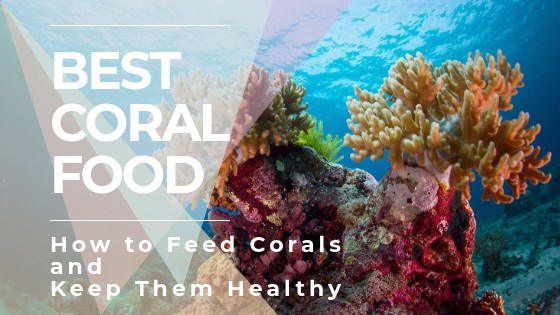
The best coral food for most reef tanks is Polyp Lab Nano Reef-Roids — a zooplankton-based powder food that delivers 60% crude protein without degrading water quality. For liquid dosing, Red Sea Reef Energy Plus, Brightwell Aquatics Reef Snow, and Two Little Fishies Marine Snow are all strong alternatives depending on your setup.
Photosynthetic corals get roughly 60% of their energy from zooxanthellae and light, according to research published in Marine Ecology Progress Series. The remaining 40% comes from capturing particulate food and absorbing dissolved organics — which is why supplemental feeding makes a measurable difference in coral growth and coloration, even in tanks with strong LED lighting.
Our Top Pick: Polyp Lab Nano Reef-Roids
Polyp Lab Nano Reef-Roids Coral Food
- Proprietary zooplankton blend unique to Reef-Roids
- 60% crude protein with color-enhancing astaxanthin (150-200 ppm)
- Mixes into water without floating — minimizes waste
- No processed fish meals — won't degrade water quality
- Ideal for Goniopora, zoanthids, mushrooms, and all filter feeders
Why we recommend it: Reef-Roids is one of the most popular coral foods in the hobby for good reason. Corals respond immediately with polyp extension, and reef keepers consistently report faster growth and more vibrant colors. The powder format makes target feeding easy with a syringe, and it won't cloud your water the way fish-meal-based foods can.
Polyp Lab Reef-Roids is a blend of naturally occurring marine planktons containing a proprietary zooplankton species. Unlike many coral foods that rely on processed fish meals, Polyp Lab Reef-Roids uses ingredients that minimize water quality degradation — a major concern in reef tanks where nutrient spikes can fuel algae growth.
Polyp Lab Reef-Roids delivers 60% crude protein and 20% crude fat, with 150-200 ppm of astaxanthin for color enhancement, according to the manufacturer’s guaranteed analysis. Mix one teaspoon per 100 gallons with tank water and target feed with a syringe for best results, or disperse directly into the water column with circulation turned off.
Amazon reviewers consistently report rapid zoanthid multiplication, immediate polyp extension, and noticeably more vibrant coloration within weeks of regular Reef-Roids feeding. The most common complaint is that the resealable pouch doesn’t always seal completely — transferring the powder to a small airtight container solves this.
Also Great: 3 More Coral Foods Worth Considering
Coral Food Comparison
| Food Type | Liquid | Liquid suspension | Liquid suspension |
| Best For | Soft, LPS, SPS, NPS | Corals, clams, sponges, tunicates | Filter-feeding invertebrates |
| Auto-Doser Compatible | — | — | |
| Needs Refrigeration | — | — | — |
| Key Benefit | 15% faster growth vs original | Replicates natural marine snow | Mimics natural biogenic matter |
| Check Price | Check Price | Check Price |
- Food Type
- Liquid
- Best For
- Soft, LPS, SPS, NPS
- Auto-Doser Compatible
- Needs Refrigeration
- —
- Key Benefit
- 15% faster growth vs original
- Food Type
- Liquid suspension
- Best For
- Corals, clams, sponges, tunicates
- Auto-Doser Compatible
- —
- Needs Refrigeration
- —
- Key Benefit
- Replicates natural marine snow
- Food Type
- Liquid suspension
- Best For
- Filter-feeding invertebrates
- Auto-Doser Compatible
- —
- Needs Refrigeration
- —
- Key Benefit
- Mimics natural biogenic matter
Red Sea Reef Energy Plus
Red Sea Reef Energy Plus is an all-in-one liquid coral superfood containing dissolved and suspended carbohydrates, amino acids, fatty acids, and vitamins. Because Red Sea has broken these components down into simple building blocks, corals absorb and consume them directly — leaving no residual waste in the aquarium.
Red Sea Reef Energy Plus stands out for its auto-doser compatibility. The formulation stays stable unrefrigerated for up to one week, making automated feeding practical. According to Red Sea’s long-term laboratory testing, Reef Energy Plus produces 15% faster coral growth compared to the original two-part Reef Energy A/B formula.
- All-in-one formula replaces multi-part dosing
- Compatible with automatic dosers (stable for 1 week unrefrigerated)
- Every component is consumed by corals — zero residual waste
- Feeds soft corals, LPS, SPS, and non-photosynthetic corals
- 15% faster growth rate vs original Reef Energy A/B (per Red Sea lab testing)
Brightwell Aquatics Reef Snow
Brightwell Aquatics Reef Snow replicates natural “marine snow” — the shower of organic particles that drifts down through the water column on real reefs. Brightwell Reef Snow delivers carbonate-bound major, minor, and trace elements along with marine-derived proteins and lipids for coral tissue and skeletal development.
Brightwell Aquatics Reef Snow is formulated by a marine scientist and manufactured in the USA. Brightwell Reef Snow requires no refrigeration and contains no sugars or sugar derivatives. Feed Brightwell Reef Snow at night when corals extend their tentacles for maximum nutrient absorption.
- Replicates natural marine snow for authentic feeding
- Provides trace elements, proteins, and lipids for skeletal development
- Ideal for stony corals, soft corals, clams, tube worms, and sponges
- No refrigeration required — no sugars or derivatives
- Marine scientist formulated, made in the USA
Two Little Fishies Marine Snow
Two Little Fishies MarineSnow Plankton Diet reproduces the biogenic suspended matter found in natural seawater. Two Little Fishies Marine Snow feeds filter-feeding marine invertebrates that rely on both particulate and dissolved organic matter, including corals, feather dusters, and sponges.
Two Little Fishies Marine Snow is one of the original marine snow products on the market and remains popular for its simplicity as a broadcast feeding option. Add Two Little Fishies Marine Snow directly to the water column — no mixing or target feeding required.
- Reproduces natural biogenic suspended matter
- Feeds filter-feeding invertebrates on particulate and dissolved organics
- Easy to use — add directly to the water column
- Manufactured in the United States
- Long-standing reputation in the reef keeping hobby
How to Feed Corals
Coral feeding technique matters as much as food choice. Target feeding with a long feeding tube or syringe placed near coral polyps is the most effective method — delivering food directly to each colony while minimizing waste and nutrient pollution.
Feeding Guidelines
Why Corals Need Feeding
Hermatypic (photosynthetic) corals typically obtain energy from three sources: roughly 60% from zooxanthellae via photosynthesis, 20% from capturing solid food particles, and 20% from absorbing dissolved organic compounds. Proper reef lighting handles the first source — coral food handles the rest.
- Target feed individual colonies with a syringe or feeding tube
- Feed at night when polyps are fully extended
- Start with small amounts and observe your corals' response
- Turn off circulation pumps for 15-20 minutes during feeding
- Monitor nitrate and phosphate levels to prevent nutrient buildup
Recommended Feeding Equipment
- Julian's Thing or similar target feeder for precise delivery
- Turkey baster for spot feeding smaller corals
- Small mixing container for preparing powder foods like Reef-Roids
- Automatic doser for liquid foods like Red Sea Reef Energy Plus
Feeding Tip
Turn off circulation pumps for 15-20 minutes during feeding. This allows corals time to capture food before it disperses throughout the tank. If your tank has a strong return pump, see our guide on reducing filter flow for techniques that apply to reef tanks too.
Signs of Good Coral Nutrition
Well-fed corals show clear visual indicators that supplemental feeding is working. Look for these signs after a few weeks of consistent coral feeding:
- Extended polyps during and after feeding
- Enhanced coloration and vibrant pigments
- Visible skeletal growth over weeks
- Active feeding response when food is introduced
- Healthy, full tissue coverage with no recession
Frequently Asked Questions
How often should I feed my corals?
Feed small amounts once or twice a week and observe how your corals respond. Some reefers feed more frequently, but start conservatively and monitor water quality to prevent nutrient buildup.
Do corals need to be fed if I have good lighting?
Photosynthetic corals get about 60% of their energy from light through their zooxanthellae, but they still benefit from supplemental feeding. The remaining 40% comes from capturing food and absorbing dissolved organics.
What's the best way to feed corals?
Target feeding with a long feeding tube placed near the polyps is the most popular and effective technique. This delivers food directly to the coral while minimizing waste and nutrient pollution.
What's the difference between dry and liquid coral foods?
Dry coral foods like Reef-Roids offer concentrated nutrition with a long shelf life and are great for target feeding. Liquid foods like Red Sea Reef Energy are easier to dose automatically and distribute more evenly throughout the tank, making them ideal for broadcast feeding.
Disclosure: Fish Tank World earns commissions from qualifying purchases. This does not affect our recommendations, which are based on research and hands-on experience.
Related Topics
Found this helpful?
Share this guide with your fellow aquarium enthusiasts!
Written by
FTW Team
The FishTankWorld editorial team brings together experienced aquarists to help you succeed in the hobby.