
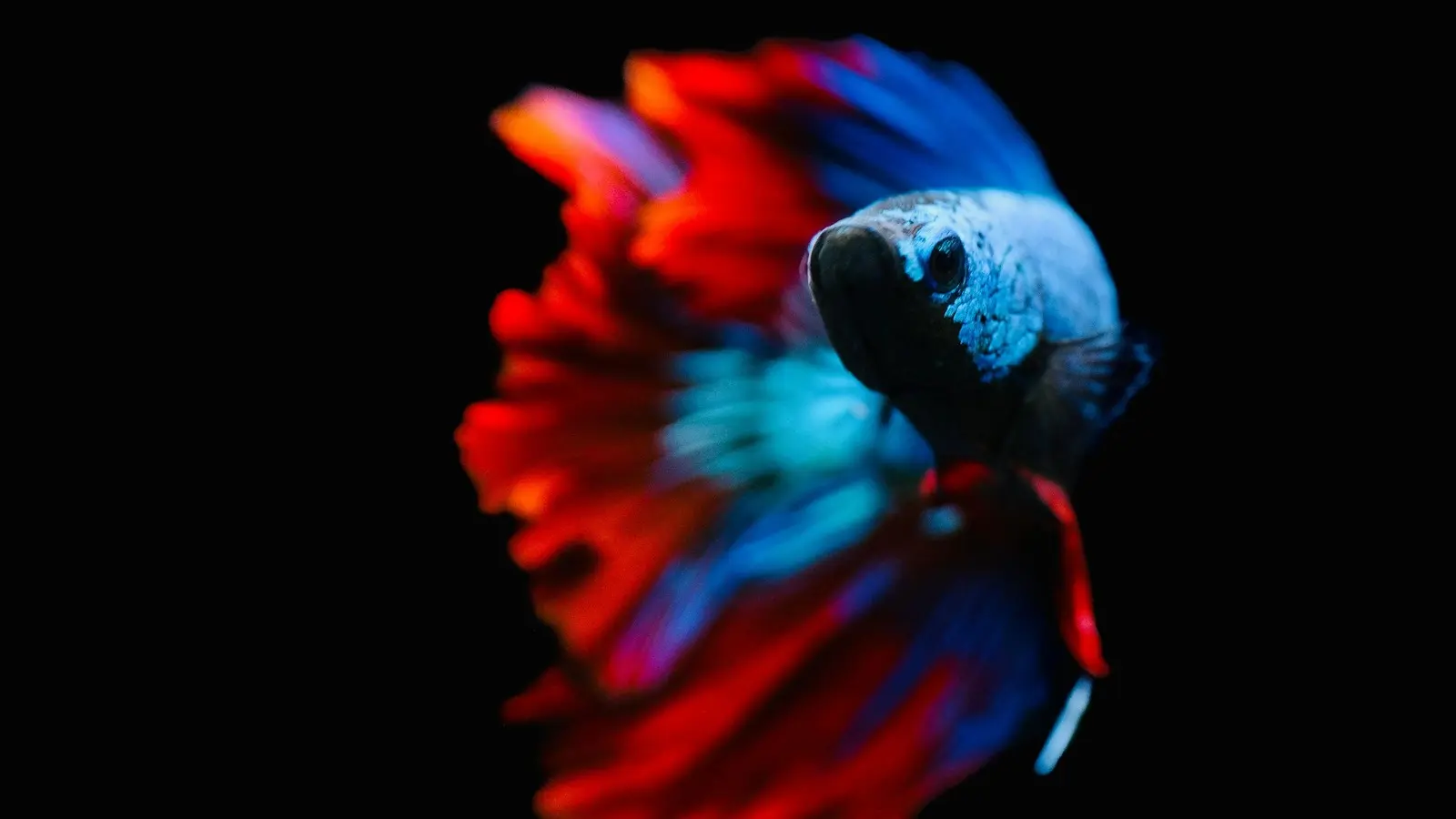
Bettas don’t have to live alone. Despite the “Siamese fighting fish” reputation, many bettas coexist peacefully with tank mates — when you choose the right ones.
The trick is picking species that don’t trigger aggression. Bottom-dwelling catfish, fast-moving schooling fish, and invertebrates like snails and shrimp are more likely to work because bettas don’t see them as threats or rivals. The species that are more challenging to make work often have flowing fins, bright red or blue coloring, or surface-dwelling habits that compete for betta territory.
This guide covers the 10 best tank mate options plus additional compatible species. Just remember — individual betta personalities vary wildly. Some ignore tank mates completely while others attack on sight, so observe your fish and have a backup plan ready.
Critical Rule
Never put two male bettas together. Male bettas will fight to the death in captivity because they cannot escape each other. This applies regardless of tank size — no aquarium is large enough to safely house two males.
Understanding Betta Aggression
Bettas are solitary fish. In the wild, they defend small territories and only interact with other fish briefly. A betta living alone in a well-maintained tank is perfectly healthy and content — tank mates are for your enjoyment, not theirs.
Your betta isn’t lonely, and some bettas will never accept tank mates no matter what species you try. Before adding companions, watch how your betta behaves on his own. Relaxed bettas that rarely flare are more likely to tolerate tank mates. Bettas that constantly flare at their own reflection or patrol aggressively often do better alone.
Male vs Female Bettas
Female bettas are generally more tolerant of tank mates than males. Females tend to be less territorial about minor intrusions and often coexist peacefully with other species in community tanks. This makes female bettas a better starting point if you’re set on a community setup.
However, individual personality matters as much as sex. Aggressive females exist, and some males are remarkably peaceful. Don’t assume a female betta guarantees success — observe your specific fish and have a backup plan regardless.
5 Factors for Betta Tank Mate Compatibility
Water Temperature: Bettas require 75-80°F (24-27°C) water to maintain healthy metabolism and immune function. Any tank mate must thrive in this tropical range — cold-water species like white cloud mountain minnows, which prefer 64-72°F, are not ideal companions.
Environment: Dense planting matters more than most people realize. Plants break lines of sight, create hiding spots, and give each fish its own space. When a betta can’t constantly see tank mates, territorial stress drops for everyone. Tall plants, floating plants, and decorations that block sightlines all help. See our guide to the best live plants for betta tanks for specific recommendations.
Activity and Habits: Fast-swimming fish can escape aggressive bettas. Slow bottom-dwellers avoid conflict by occupying different tank zones entirely. Nocturnal species like kuhli loaches work particularly well because they’re active when bettas rest.
Appearance: Avoid anything that resembles a rival betta. Long flowing fins, bright red or blue coloring, and similar body shapes trigger attacks. Dull-colored, short-finned species fly under the radar.
Tank Size: A solo betta needs at least 5 gallons. Add tank mates and you need at least 10 gallons — more space means less territorial conflict and room for everyone to get away from each other. Tanks of 20 gallons or larger give you the best chance of success.
Tank Size Guide: What Works Where
| 5 Gallons | 10 Gallons | |
|---|---|---|
| Fish | No | Yes, limited |
| Shrimp | No | Maybe (with hiding spots) |
| Success Rate | Low | Moderate |
5-gallon tanks work for one betta alone. Snails are possible, but fish and shrimp need more space to escape if your betta gets aggressive. If you want a real community, upgrade to 10 gallons minimum.
10-gallon tanks open up real options: small schools of 6 tetras or rasboras, a group of pygmy corydoras, or a combination of snails and shrimp. Success depends heavily on your betta’s temperament and hiding areas.
20-gallon tanks provide the best community experience. With more room, your betta is less likely to feel crowded or threatened. You can keep larger schools, mix multiple species, and tank mates have room to escape if your betta gets territorial.
The 10 Best Betta Tank Mates
Fish Tank World selected these species based on four criteria: temperature compatibility (75-80°F tolerance), low aggression toward bettas, occupation of different tank zones, and consistent success rates observed in the hobby. Species that are more likely to trigger betta territorial responses were excluded.
Fish Species
1. Harlequin Rasboras
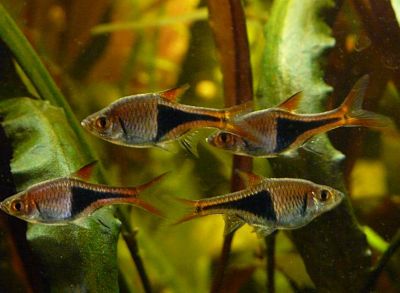
Harlequin rasboras share natural habitat with wild bettas in Southeast Asia, making them naturally compatible.
Harlequin rasboras are among the most reliable betta companions. These peaceful schooling fish share natural habitat with wild bettas in Southeast Asian waterways, making them evolutionarily compatible. Their orange and black coloring does not resemble rival bettas, so they rarely trigger territorial responses.
Keep harlequin rasboras in groups of 6-10 individuals — they are obligate schooling fish that exhibit stress behaviors (hiding, color fading) when kept in smaller numbers. Harlequin rasboras reach approximately 2 inches (5 cm) at maturity and thrive in the same 75-80°F water bettas require. Minimum tank size: 10 gallons.
2. Pygmy Corydoras
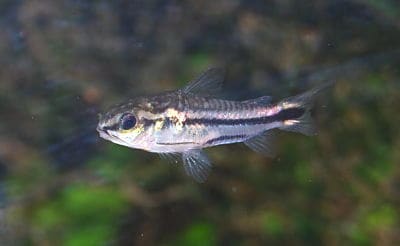
Pygmy corydoras stay at the tank bottom, well away from betta territory at the surface.
Pygmy corydoras are small South American catfish that occupy the tank bottom, completely avoiding betta territory at the surface. Their dull coloring and peaceful demeanor make them invisible to most bettas. At just 1 inch fully grown, pygmy corydoras won’t be mistaken for threats.
Keep pygmy corydoras in groups of 6-10 as they are highly social fish. Pygmy corydoras require sandy substrate — gravel damages their sensitive barbels used for foraging. These bottom-feeders appreciate shaded areas with plants and driftwood for cover. Minimum tank size: 10 gallons.
Other Cory Options
Panda corydoras, albino corydoras, and bronze corydoras also work with bettas. All corydoras species are peaceful bottom-dwellers that stay out of betta territory. Choose species that stay under 3 inches, and always keep them in groups of 4-6 minimum.
3. Neon Tetras
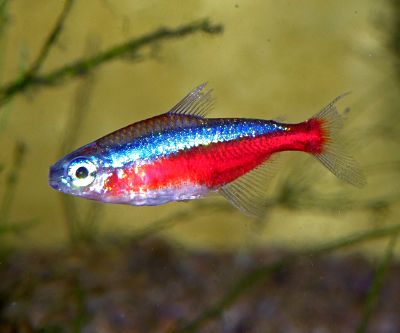
Small tetras like neons evade aggression through quick schooling movements.
Neon tetras are small, fast-moving schoolers that make excellent betta companions. They reach about 1.5 inches and their quick movements help them evade any aggression from curious bettas.
Keep neon tetras in schools of 8-10 in tanks of 10+ gallons with plenty of hiding spots. Cardinal tetras and ember tetras also work well and share similar care requirements. Avoid black phantom tetras — their darker coloring and larger fins can trigger betta aggression.
4. Kuhli Loaches
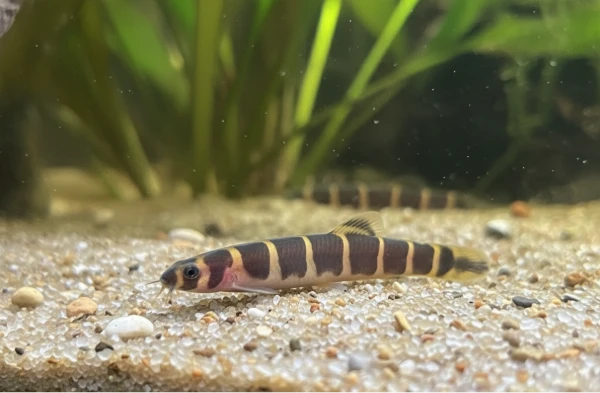
Kuhli loaches are nocturnal bottom-dwellers that stay out of your betta's way during the day.
Kuhli loaches are eel-like bottom dwellers that hide during the day and become active at night — the perfect schedule for avoiding territorial bettas. These shy fish spend daylight hours burrowed in substrate or hiding among plants, emerging only when your betta is resting.
Keep kuhli loaches in groups of 3-6 or more — they are social fish that only display natural behavior in groups. Kuhli loaches grow to about 3.5 inches and are excellent scavengers for picking up any excess food your betta drops. Their nocturnal lifestyle means they effectively work a different “shift” than your betta, making them compatible even with more aggressive individuals.
5. Clown Plecos
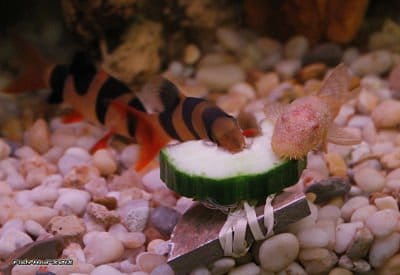
Clown plecos have tough exterior plates that protect against curious betta nips.
Clown plecos are armored catfish reaching 4 inches that stay at the tank bottom cleaning algae and biofilm. Their tough exterior plates protect against curious betta nips — most bettas quickly learn that plecos aren’t worth bothering.
Clown plecos require minimum 20-gallon tanks due to their size and bioload. Clown plecos need driftwood in their diet — the wood provides essential fiber for their digestive systems. Unlike common plecos that grow over a foot long, clown plecos stay a manageable size for betta community tanks.
6. Feeder Guppies
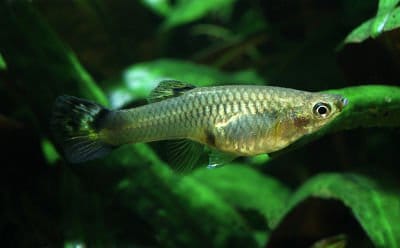
Feeder guppies have dull coloring and short fins that don't trigger betta aggression.
Plain-colored feeder guppies differ significantly from fancy guppies. Feeder guppies have short, modest fins and dull coloring that does not trigger betta territorial responses — unlike fancy guppies whose flowing fins and bright colors resemble rival bettas and will almost certainly be attacked.
Feeder guppies are hardy fish that tolerate varying conditions. Their unremarkable appearance keeps them off the betta’s radar entirely. Female guppies are particularly safe choices since they lack the colorful fins of males.
7. Platies
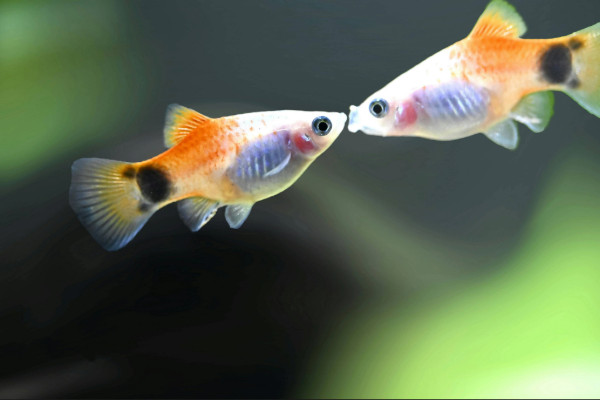
Platies are peaceful livebearers that thrive in the same water conditions as bettas.
Platies are peaceful livebearers that thrive in the same 75-80°F water bettas need. Unlike their relatives mollies and swordtails, platies are not fin nippers and generally leave bettas alone.
Choose platies with subdued colors — blue, gold, or pale varieties work better than bright red or orange, which may trigger territorial responses in some bettas. Platies reach about 2.5 inches and do well in groups of 3-5. Keep in mind that platies breed readily, so stick to all males or all females unless you want fry. Minimum tank size: 10 gallons.
Invertebrates
8. Ghost Shrimp
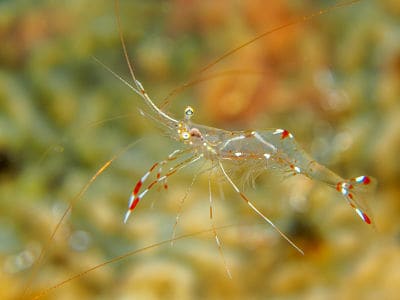
Ghost shrimp's transparent bodies make them nearly invisible to hunting bettas.
Ghost shrimp are translucent scavengers that clean leftover food and algae from the tank. Their transparent bodies make them difficult for bettas to see, improving survival rates compared to colored shrimp species.
Ghost shrimp grow to about 2 inches — large enough that most bettas won’t attempt to eat adults. Keep 5-12 ghost shrimp depending on tank size. Ghost shrimp are inexpensive (often sold as feeder shrimp), making them a low-risk way to test whether your betta tolerates shrimp before investing in pricier species.
The Ghost Shrimp Test
Before adding expensive cherry shrimp or amano shrimp, try a few ghost shrimp first. If your betta hunts them relentlessly, you’ve learned something valuable at minimal cost. If your betta ignores them, you can add more interesting shrimp species with confidence.
9. Mystery Snails
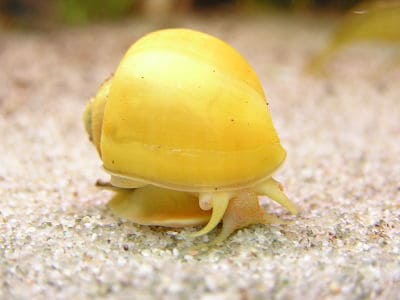
Mystery snails have hard shells that protect them from curious betta nips.
Mystery snails are larger algae-eating gastropods (reaching 2 inches) with hard shells that protect them from curious bettas. While a betta may occasionally nibble mystery snail tentacles, the snails retract quickly and suffer no lasting harm.
Mystery snails come in beautiful colors — gold, blue, purple, and ivory. Unlike pest snails, mystery snails cannot reproduce asexually — they require a male and female, and eggs are laid above the waterline where you can remove them if desired. Mystery snails live approximately 12 months and actively clean algae, uneaten food, and detritus.
10. African Dwarf Frogs
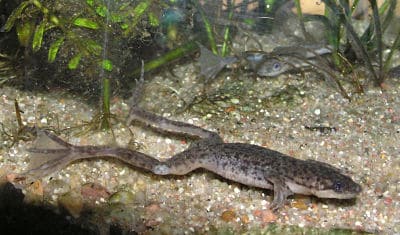
African dwarf frogs occupy different swimming zones and live 5-8 years with proper care.
African dwarf frogs are small fully-aquatic amphibians that make peaceful betta companions. African dwarf frogs occupy the lower portions of the tank and pose no territorial threat to surface-dwelling bettas.
African dwarf frogs require 10+ gallon tanks with escape-proof lids — they will climb out of uncovered tanks. African dwarf frogs need surface access for air breathing (they have lungs, not gills) and live 5-8 years with proper care. Keep a pair, as African dwarf frogs are social animals that display more natural behavior together.
Not African Clawed Frogs
African clawed frogs look similar but grow much larger (5+ inches) and will eat fish. Make sure you’re buying African dwarf frogs, which stay under 2 inches.
Fish to Avoid with Bettas
Never Keep These with Bettas
- Fancy guppies — long fins and bright colors resemble rival bettas, triggering attacks
- Tiger barbs — aggressive fin nippers that will shred betta fins within days
- Gouramis — natural competitors from the same family (Osphronemidae), causing constant conflict
- Goldfish — many species prefer colder water (65-72°F) than bettas need
- Cichlids — equally aggressive territorial fish that will fight bettas
- Chinese algae eaters — become aggressive with age and damage betta slime coats
- Mollies and swordtails — fin nippers that also prefer harder, more alkaline water
- Pygmy pufferfish — relentless fin nippers despite their small size
- Large catfish — will prey on bettas as they grow larger
- Other male bettas — will fight to the death, no exceptions
Other Compatible Tank Mates
Beyond the 10 best options above, these species also work well with bettas in the right conditions.
Nerite Snails
Nerite snails are the ultimate low-maintenance betta tank mate. These small algae-eating snails spend their time methodically cleaning tank surfaces — glass, decorations, and plant leaves. Nerite snails ignore bettas entirely, and their hard shells provide complete protection from curious nips.
Unlike mystery snails, nerite snails cannot reproduce in freshwater — their eggs require brackish water to hatch. This means no surprise snail population explosions. Nerite snails come in various patterns (zebra, tiger, olive) and reach about 1 inch. Keep 1-2 per 5 gallons. If you want snails but worry about population control, nerite snails are the better choice over mystery snails.
Cherry Shrimp and Amano Shrimp
Cherry shrimp (Neocaridina davidi) and amano shrimp (Caridina multidentata) are popular betta tank mates — but success varies dramatically based on your betta’s personality. Some bettas coexist peacefully with shrimp for years; others treat them as expensive snacks.
Amano shrimp reach 2 inches and are too large for most bettas to eat. Their larger size makes them the safer choice. Amano shrimp are exceptional algae eaters and will clean plants thoroughly.
Cherry shrimp max out at 1.5 inches and are more vulnerable to predation, especially juveniles. However, cherry shrimp breed readily in aquariums, so a breeding colony can sustain some losses. Dense planting with moss provides hiding spots for vulnerable shrimp.
For either species: provide heavy cover (java moss, dense plants), feed your betta well before introducing shrimp, and accept that some losses may occur. A 20-gallon heavily planted tank gives shrimp the best chance of establishing a sustainable colony. See our cherry shrimp care guide for complete shrimp-keeping details.
Malaysian Trumpet Snails
Malaysian trumpet snails are nocturnal burrowers that spend daylight hours hidden in substrate. Malaysian trumpet snails emerge at night to scavenge — when your betta is resting. This opposite schedule minimizes any interaction.
Malaysian trumpet snails reproduce readily (they’re livebearers), so populations can grow quickly if overfed. Many keepers consider this a benefit — trumpet snails aerate substrate and prevent gas pockets. If population control matters, stick with nerite snails instead.
How to Introduce Tank Mates to Your Betta
The introduction process matters as much as species selection. Even compatible tank mates can fail if introduced poorly.
The “Betta Last” Strategy
The most reliable method: set up your tank with tank mates first, then add the betta last. When the betta arrives, other fish are already established residents rather than invaders entering “his” territory. This simple change dramatically reduces aggression.
If you’re adding tank mates to an existing betta tank, follow these steps:
Introduction Steps
- Quarantine new fish for 2 weeks to prevent disease introduction
- Rearrange your tank's decor — move plants, decorations, and hiding spots to disrupt established territories
- Feed your betta well before introducing new tank mates
- Add new fish after lights-out when the betta is less active
- Keep the lights off for several hours to let everyone settle
- Monitor closely for the first 72 hours — this is when most aggression appears
What Normal Introduction Behavior Looks Like
Some flaring and investigation is normal. Your betta will likely approach new tank mates, flare briefly, then swim away. This is curiosity, not aggression. Concerning behavior includes:
- Sustained chasing — more than a few seconds
- Repeated attacks — striking, not just approaching
- Fin damage — visible tears or missing chunks
- Tank mates hiding constantly — refusing to come out even for food
- Stress stripes — horizontal lines appearing on your betta
What to Do If Your Betta Attacks Tank Mates
Sometimes, despite careful selection and proper introduction, your betta attacks. Here’s how to handle it.
Immediate Response
Separate the attacked fish immediately. A nipped fin can heal; prolonged stress and repeated attacks kill. Even a temporary container (clean plastic container with treated water) works for emergency separation while you figure out next steps.
Have a Backup Plan Ready
Before adding any tank mates, have a backup ready:
- A cycled backup tank is ideal
- An uncycled tank with daily water changes works temporarily
- At minimum, a large container and a way to heat it
Never add tank mates without a plan for what to do if things go wrong.
When to Accept Solo Living
Some bettas simply prefer living alone. If your betta has attacked multiple species of known-compatible tank mates, he’s telling you something. Honor that preference — a betta living alone in a well-maintained tank is not lonely or deprived. Solitary living is natural betta behavior.
The most experienced betta keepers will tell you: some bettas work beautifully in communities, others never will. There’s no training or conditioning that changes this. Watch your individual fish and respond accordingly.
Setting Up a Betta Community Tank
Community Tank Requirements
- Minimum 10-gallon tank (20 gallons significantly improves success)
- Dense planting with multiple hiding spots — plants like java fern, anubias, and java moss
- Sight-line breaks using decorations and tall plants to reduce territorial stress
- Proper filtration rated for increased bioload — but with gentle flow (bettas dislike strong current)
- Temperature maintained at 75-80°F with reliable heater
- Backup tank or container ready if aggression requires separating fish
Add tank mates gradually. Start with your first species, let them settle for a week, then add the next. Rushing introductions increases stress and aggression for everyone.
Female Betta Sororities
Female bettas can sometimes live together in “sorority” tanks of 5 or more individuals. Sororities require heavily planted tanks of 20+ gallons minimum with numerous hiding spots and sight-line breaks.
However, female betta aggression remains unpredictable. Some sororities thrive for years; others collapse suddenly into fatal fighting with no warning. Female sororities are an advanced setup requiring backup tanks, close daily monitoring, and the willingness to separate fish at the first sign of trouble — not recommended for beginners.
Male and Female Together
Never house male and female bettas together except briefly for breeding by experienced breeders. Males will harass females relentlessly, causing stress, injury, and death. “Betta community tank” means one betta with other species, not a community of bettas.
Conclusion
Many betta fish coexist peacefully with carefully selected tank mates. Success requires adequate space (10+ gallons), compatible species, proper introduction, and vigilant observation. The species in this guide consistently work for most bettas — but remember that individual personalities vary dramatically.
Start with snails if you’re unsure — they’re virtually bulletproof as tank mates. Then try shrimp or bottom-dwelling fish if your betta seems tolerant. Build your community gradually, always with a backup plan ready.
If community tank attempts fail, your betta may simply prefer solitary life. That’s not a failure — it’s respecting your fish’s natural temperament. A betta living alone in a properly maintained tank is a healthy, content fish.
For complete betta care guidance including tank setup, feeding, and health, see our fish care guides.
Can betta fish live with other fish?
Yes, many bettas can live peacefully with certain tank mates. Success depends on tank size (minimum 10 gallons for communities), the individual betta's temperament, and choosing compatible species that won't trigger aggression or compete for territory.
What fish can live with a betta in a 5-gallon tank?
Adding fish to a 5-gallon betta tank is not recommended. A 5-gallon provides enough space for one betta alone, but lacks room for other fish or shrimp to escape if your betta gets territorial. Snails are the only tank mates that work reliably in a 5-gallon setup. If you want a community tank, upgrade to at least 10 gallons.
What fish should never be kept with bettas?
Avoid fancy guppies (resemble bettas), tiger barbs (fin nippers), gouramis (natural competitors), goldfish (different temperature needs), cichlids (aggressive), Chinese algae eaters (damage slime coat), mollies and swordtails (fin nippers), and any fish with long, flowing fins or bright red/blue coloring.
Can two male bettas live together?
Never. Male bettas will fight to the death if housed together. Even visual contact through tank dividers can cause stress. Only one male betta should be kept per tank, regardless of tank size.
How do I introduce tank mates to my betta?
The best strategy is adding tank mates first, then introducing the betta last. This prevents the betta from claiming the entire tank as territory. If adding to an existing betta tank, rearrange the decor first, introduce new fish after lights-out, and monitor closely for 72 hours. Always have a backup tank ready.
Do bettas eat shrimp?
Some bettas ignore shrimp entirely; others hunt them relentlessly — it depends on individual temperament. Larger shrimp like amano shrimp (2 inches) are less likely to be eaten than cherry shrimp. Heavy planting provides hiding spots that improve shrimp survival rates. Consider ghost shrimp as a test since they're inexpensive.
Can female bettas live together?
Female bettas can sometimes coexist in 'sorority' tanks of 5 or more individuals in tanks 20 gallons or larger with heavy planting. However, aggression remains unpredictable — some sororities work for years while others fail suddenly. Have backup tanks ready and only attempt if you're experienced.
What size tank do I need for a betta community?
Minimum 10 gallons for a betta with fish tank mates, though 20 gallons provides significantly better success rates. Larger tanks dilute territorial behavior and provide escape routes. A 5-gallon tank should only house the betta alone or with a few snails.
Sources
- U.S. Geological Survey. “Tanichthys albonubes (White Cloud Mountain Minnow).” Nonindigenous Aquatic Species Database.
Related Topics
Found this helpful?
Share this guide with your fellow aquarium enthusiasts!

Written by
FTW Team
The FishTankWorld editorial team brings together experienced aquarists to help you succeed in the hobby.