
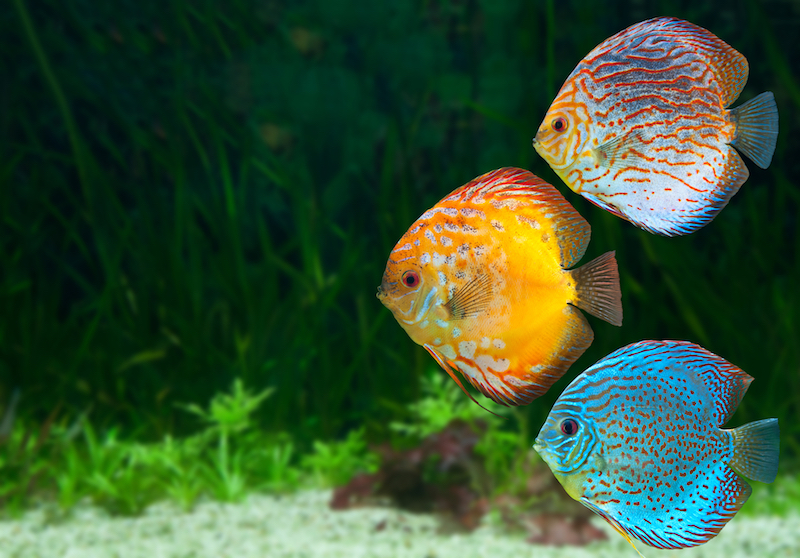
Keeping an aquarium reduces stress, lowers blood pressure by up to 4%, and improves mental health — these are not anecdotal claims but findings from peer-reviewed research published in journals including Environment and Behavior and PLoS One. A 2019 systematic review analyzing 19 studies confirmed that interacting with fish in aquariums produces measurable physiological and psychological benefits.
Here are seven evidence-based reasons why keeping an aquarium can genuinely improve your life.
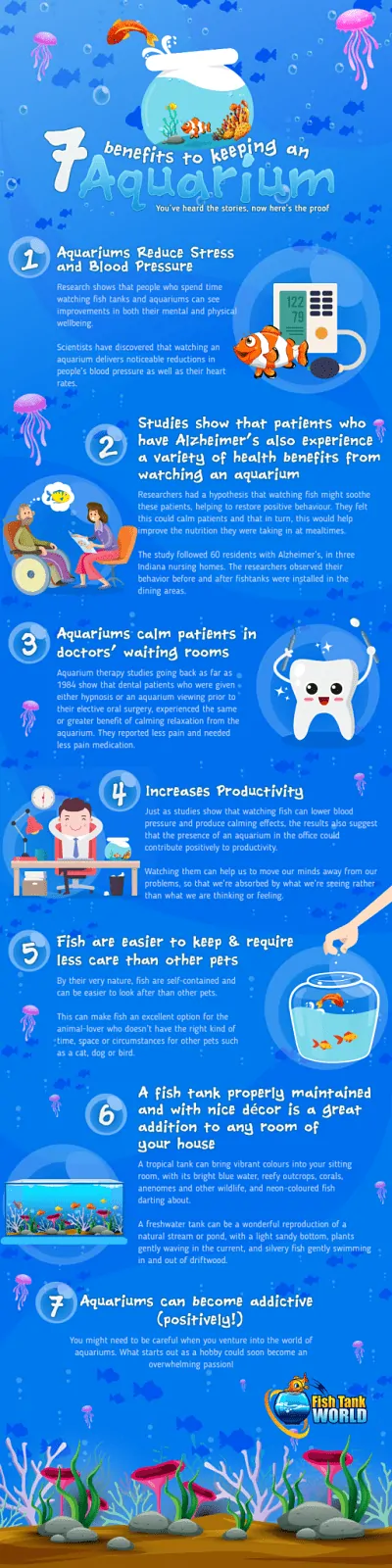
7 science-backed benefits of keeping a fish tank
Love this guide? Share it on your website or blog with the embed code below.
<a href="https://fishtankworld.com/benefits-to-keeping-an-aquarium/" target="_blank" rel="noopener"><img src="https://fishtankworld.com/images/articles/benefits-to-keeping-an-aquarium/benefits-infographic.png" alt="Infographic showing 7 benefits of keeping an aquarium including stress reduction, Alzheimer's benefits, calmer patients, increased productivity, easier pet care, home decoration, and engaging hobby" style="max-width: 100%; height: auto;" /></a><p>Image credit: <a href="https://fishtankworld.com/benefits-to-keeping-an-aquarium/">Fish Tank World</a></p>1. Aquariums Reduce Stress and Lower Blood Pressure
Aquariums reduce blood pressure and heart rate — and the calming effects scale with the number of fish present. Researchers at the National Marine Aquarium, Plymouth University, and the University of Exeter published findings in the journal Environment and Behavior showing that watching fish produces measurable cardiovascular benefits.
Key findings from the National Marine Aquarium study:
- Observing a tank with only rocks and plants lowered heart rates by 3%
- Adding fish to the same tank reduced heart rates by 7%
- Blood pressure dropped by 4% when fish were present
- Benefits increased with higher numbers and greater variety of fish
The underwater environment is inherently calming. The gentle movement of fish, the soft sounds of water, and rhythmic swimming patterns trigger relaxation responses that measurably affect the cardiovascular system. Animal therapy is now widely accepted for mental health management, and aquariums represent one of the most accessible forms.
Why It Works
Aquatic environments naturally reduce stress hormones. The combination of gentle movement, ambient water sounds, and focused attention on something peaceful activates the parasympathetic nervous system — your body’s “rest and digest” mode. This is the same physiological response triggered by meditation and deep breathing exercises.
2. Alzheimer’s Patients Experience Measurable Health Benefits

Aquariums in care facilities help Alzheimer's patients eat more, stay calmer, and engage with their surroundings
Aquariums in care facilities help Alzheimer’s patients eat up to 21% more food, according to a Purdue University study that tracked 60 nursing home residents across three Indiana facilities. Researchers observed patient behavior before and after fish tanks were installed in dining areas — and the improvements extended far beyond nutrition:
Purdue University Study Findings
- Patients consumed up to 21% more food after aquariums were introduced to dining areas
- Residents appeared more relaxed and alert during mealtimes
- Negative behaviors decreased significantly — including wandering, pacing, yelling, and physical aggression
- Some patients watched the fish tanks for up to 30 minutes at a time
- One previously silent patient spoke for the first time since admission, asking about the fish
The calming effect of aquariums helps Alzheimer’s patients focus, reduces agitation, and creates positive focal points for attention. Fish provide endless visual variety through different species, colors, and swimming patterns — holding attention in ways that static decorations cannot.
These improvements also had practical healthcare benefits: reduced need for nutritional supplements and lower medication requirements. Many care facilities now include aquariums specifically for these therapeutic effects.
3. Aquariums Calm Patients in Medical Settings
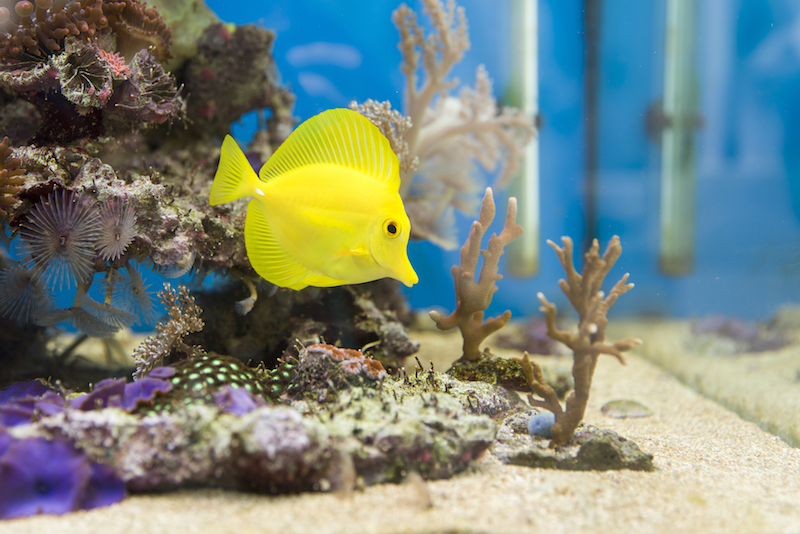
Fish tanks in medical waiting rooms measurably reduce patient anxiety before procedures
Aquariums in medical settings reduce patient anxiety before procedures — a benefit documented in clinical research dating to 1984. Aquarium therapy studies demonstrate that watching live fish produces measurable pain reduction and relaxation in patients awaiting treatment.
In one notable study, dental patients receiving either hypnosis or aquarium viewing before oral surgery experienced equal relaxation benefits. The aquarium group reported less pain during the procedure and required less pain medication afterward. Critically, patients who viewed aquarium posters did not experience the same benefits — the living, moving fish are essential to the calming effect.
“Fish tanks and displays are often associated with attempts at calming patients in doctors’ surgeries and dental waiting rooms. This study has, for the first time, provided robust evidence that ‘doses’ of exposure to underwater settings could actually have a positive impact on people’s wellbeing.” — Deborah Cracknell, PhD Researcher, National Marine Aquarium
The hypnotic quality of watching live fish helps distract patients from anxiety and shifts attention away from upcoming procedures. If you’ve ever felt calmer in a waiting room with a fish tank, the science confirms you weren’t imagining it.
4. Aquariums Increase Workplace Productivity

Office aquariums help employees manage stress and maintain focus during high-pressure work periods
Office aquariums make employees “happier, healthier, more motivated, creative, and productive,” according to a survey by the American Pet Products Manufacturers Association (APPMA). The APPMA survey found consistent positive health benefits among workers with aquariums in their offices:
Workplace Benefits
- Employees report feeling more relaxed during high-pressure periods
- Lower blood pressure and reduced stress levels measured among workers
- Improved emotional health and overall mood throughout the workday
- Increased motivation, creativity, and productivity
- Higher numbers of fish hold employee attention longer and improve moods more
The psychological mechanism is straightforward: fish appear to live tranquil, worry-free lives. Watching them creates a hypnotic effect that helps people mentally step away from problems. Rather than ruminating on stressful tasks, employees become briefly absorbed in visual observation — providing mental breaks that actually improve focus and output when they return to work.
Office Aquarium Tip
Even a small desk aquarium (5 gallons or larger) with a betta fish or small shrimp colony can provide stress-relief benefits during the workday. The key is creating a healthy, low-maintenance setup you can enjoy without the care requirements becoming another source of stress.
5. Fish Require Less Daily Care Than Other Pets
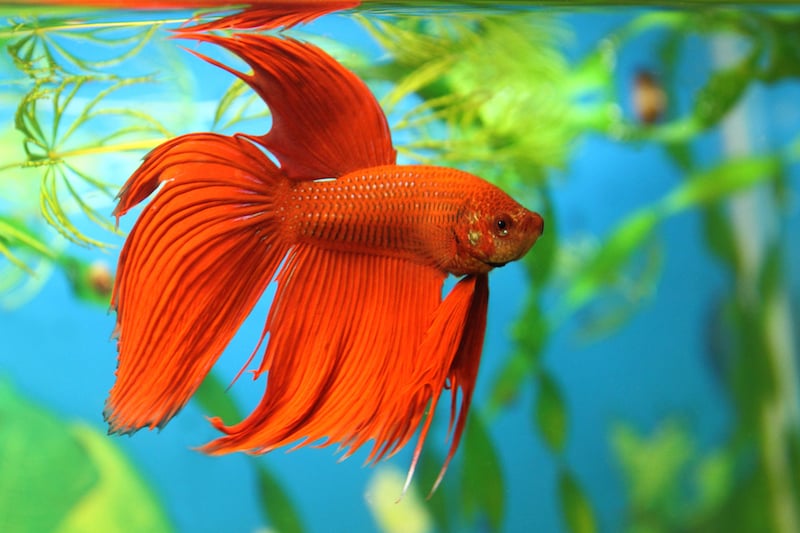
Fish are self-contained pets that don't need walks, litter boxes, or constant attention
Compared to dogs, cats, birds, and other common pets, aquarium fish are remarkably self-contained. Fish are ideal for people with limited time, small living spaces, pet allergies, landlord restrictions, or mobility limitations.
Advantages Over Other Pets
- No walks required regardless of weather
- No litter boxes to clean daily
- No allergens for sensitive family members
- Fish tolerate being left alone without separation anxiety
- No noise complaints from barking or meowing
- No destructive behaviors — fish won't chew furniture, scratch sofas, or push objects off shelves
- Minimal veterinary care compared to dogs, cats, or birds
Aquarium maintenance is straightforward and predictable:
- Every 1-2 weeks: Partial water changes (10-25% of tank volume)
- During water changes: Vacuum sand or gravel substrate and clean aquarium glass
- Monthly: Test pH levels, correct any imbalances, and clean the filter
- As needed: Monitor fish health and adjust feeding
For busy people who want the therapeutic benefits of pet ownership without the intensive daily time commitment, aquarium fish offer a compelling option. Want to get started? Our freshwater aquarium setup guide walks through every step.
6. Aquariums Enhance Home Décor

A well-maintained aquarium serves as living art — always changing, always interesting
A well-maintained aquarium serves as a living art piece that no static decoration can match. Unlike paintings or sculptures, aquariums are dynamic — the scene shifts constantly as fish swim, plants sway, and light plays through the water.
Popular aquarium design styles include:
- Tropical reef tanks — vibrant corals, anemones, and neon-colored marine fish creating an underwater paradise
- Planted freshwater tanks — natural stream or pond scenes with sandy substrate, waving plants, and silvery fish swimming through driftwood
- Minimalist aquascapes — dramatic hardscape with carefully placed plants and open swimming space
- Biotope tanks — faithful recreations of specific natural habitats from around the world
- Species-specific displays — showcasing the unique behaviors and beauty of particular fish or invertebrates
Modern aquariums come in countless form factors: sleek rimless designs, furniture-integrated tanks, wall-mounted displays, and dramatic peninsula setups. With thoughtful placement, an aquarium complements virtually any interior design style.
7. Fishkeeping Becomes an Engaging Lifelong Hobby

With over 25,000 fish species worldwide, there's always something new to discover in the aquarium hobby
What starts as a simple fish tank often evolves into a deeply rewarding lifelong hobby. Over 25,000 fish species exist worldwide, with more than 2,000 suitable for home aquariums — meaning there’s always a new species to learn about, a new technique to master, or a new aquascape to design.
The typical fishkeeper’s journey follows a familiar pattern:
- It starts with a modest tank — maybe a 5-gallon setup with a betta fish
- Soon you’re researching exotic species and considering a second tank
- Before long, you’re discussing water chemistry in online forums at midnight
- Eventually, you’re running out of electrical outlets for all your filters and heaters
What Makes Fishkeeping So Engaging
- Over 25,000 fish species globally; 2,000+ available for home aquariums
- Endless learning in fish biology, water chemistry, and aquatic plant care
- Active online communities and local clubs for discussion and advice
- Technical challenges for those who enjoy problem-solving
- Creative outlet through aquascaping and tank design
- Special relationships develop with individual fish and their distinct personalities
Multiple Tank Syndrome
“Multiple Tank Syndrome” is a well-known phenomenon among fishkeepers — the seemingly irresistible urge to keep adding more tanks. While mostly harmless (and frequently joked about in the community), psychologists note that any hobby that interferes with daily life and responsibilities can become problematic. The good news: compared to most things people become passionate about, fishkeeping is a fairly wholesome pursuit that combines biology, chemistry, design, and genuine animal care.
The Science Is Clear
Aquarium ownership offers a unique combination of benefits rarely found in a single hobby:
- Physical health improvements — lower blood pressure, reduced heart rate, measurable cardiovascular benefits
- Mental health support — stress reduction, improved mood, therapeutic focus for patients with Alzheimer’s and anxiety
- Cognitive engagement — ongoing learning in biology, chemistry, ecology, and design
- Aesthetic value — living art that enhances any room and never looks the same twice
- Manageable commitment — lower daily maintenance than dogs, cats, or birds
- Scalable hobby — grows naturally with your interest, space, and budget
Whether you’re looking for stress relief, a new creative outlet, beautiful home décor, or all of the above, keeping an aquarium delivers benefits that extend far beyond watching pretty fish swim.
Ready to Start Your First Aquarium?
Our step-by-step guide covers everything from choosing a tank to adding your first fish.
Are aquariums good for mental health?
Yes. Multiple studies confirm that watching aquarium fish reduces stress hormones, lowers blood pressure, and improves mood. Research from the National Marine Aquarium found that even brief exposure to underwater settings produces measurable wellbeing improvements. Aquariums are used therapeutically in medical waiting rooms, nursing homes, and workplace environments.
Do fish tanks reduce stress and anxiety?
Scientific research measuring physiological responses found that watching fish in an aquarium lowered heart rates by 7% and reduced blood pressure by 4%. The calming effect increases with more fish in the tank. The combination of gentle movement, ambient water sounds, and focused attention activates the parasympathetic nervous system — your body's rest and digest mode.
Are fish easier to keep than dogs or cats?
Fish are generally lower maintenance than dogs, cats, or birds. They don't need walks, litter boxes, or grooming. Fish tolerate being left alone without separation anxiety, produce no allergens, and rarely need veterinary care. Basic maintenance involves partial water changes every 1-2 weeks, occasional glass cleaning, and monthly filter maintenance.
Why do doctors' offices have fish tanks?
Research dating to 1984 shows that dental patients who watched aquariums before surgery experienced relaxation equal to those given hypnosis, reported less pain, and needed less medication. The living, moving fish create a hypnotic calming effect that static artwork cannot replicate. This is why aquariums are common in medical and dental waiting rooms.
Is fishkeeping an addictive hobby?
Many fishkeepers joke about Multiple Tank Syndrome — the tendency to keep adding more tanks. With over 25,000 fish species worldwide and 2,000+ suitable for home aquariums, there's always something new to explore. While fishkeeping can become an absorbing passion, it's a constructive hobby that combines biology, chemistry, design, and animal care.
What are the therapeutic benefits of aquariums?
Aquariums provide documented therapeutic benefits across multiple settings. In nursing homes, Purdue University research found Alzheimer's patients ate 21% more food and showed reduced agitation after fish tanks were installed. In medical settings, dental patients watching aquariums experienced pain relief equal to hypnosis. In workplaces, the American Pet Products Manufacturers Association found aquariums improved employee mood, creativity, and productivity.
Related Topics
Found this helpful?
Share this guide with your fellow aquarium enthusiasts!

Written by
FTW Team
The FishTankWorld editorial team brings together experienced aquarists to help you succeed in the hobby.